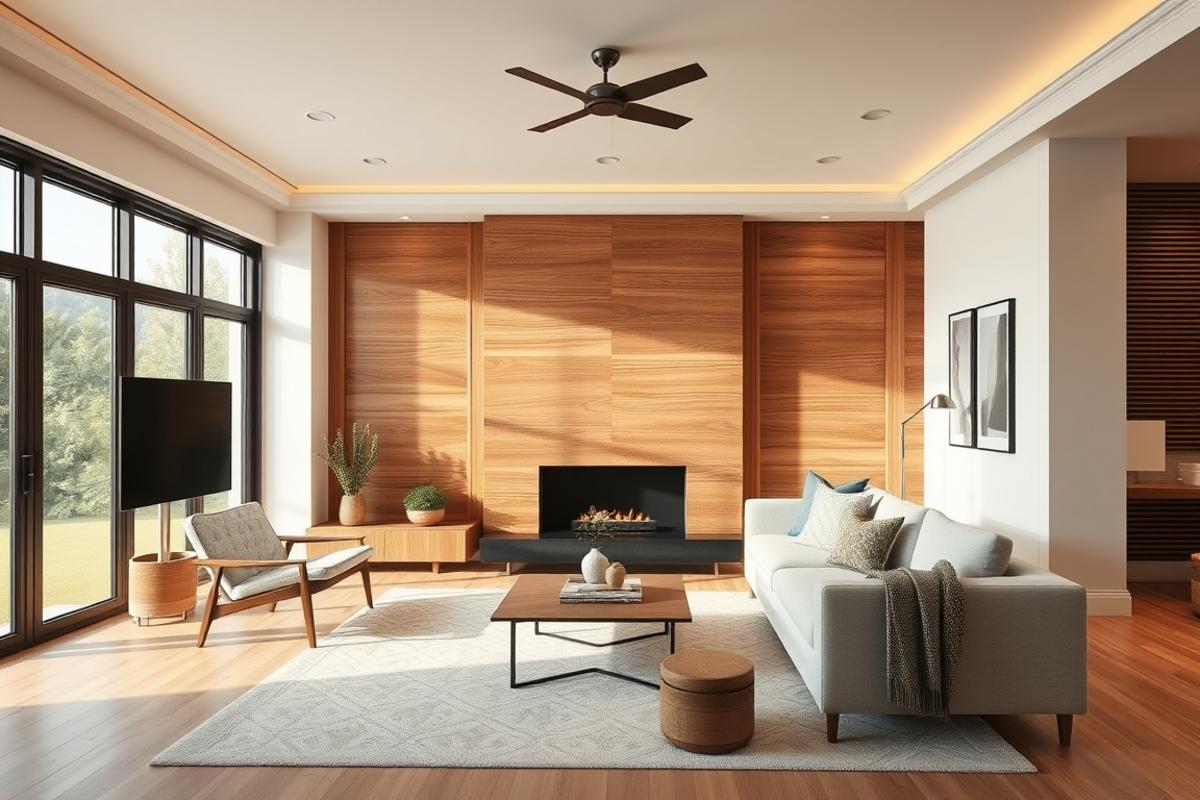
Imagine stepping into a room where the walls do more than hold up the ceiling. They add texture, depth, and instant personality. That is the power of decorative wall paneling. It can take a plain, flat space and make it feel rich and intentional.
Wall paneling is one of the fastest ways to elevate an interior. It suits modern homes and classic ones alike. In this guide, you will learn the types, materials, and styling tricks to get it right.
What Is Decorative Wall Paneling?
Decorative wall paneling is a surface treatment applied to interior walls. It adds visual interest through raised profiles, grooves, or repeating patterns. Instead of a flat painted wall, you get dimension and character.
Paneling has a long history in design. Once a sign of grand, traditional homes, it has been reinvented for today. Modern versions are lighter, cleaner, and far easier to install.
The best part is flexibility. You can panel a full room, a single feature wall, or just the lower half. Each approach changes the mood of the space.
Popular Types of Wall Paneling
There are several classic paneling styles. Each brings a different feel to a room.
- Shiplap: Horizontal boards with subtle gaps. Casual, cozy, and popular in farmhouse and coastal homes.
- Board and batten: Vertical panels with raised strips. Clean, architectural, and great for entryways.
- Wainscoting: Paneling on the lower portion of a wall. Elegant and traditional, ideal for dining rooms and hallways.
- Beadboard: Narrow vertical planks with fine grooves. Charming in bathrooms, kitchens, and mudrooms.
- Slat wall: Evenly spaced wood slats. Warm, modern, and perfect for a striking feature wall.
Your choice sets the tone. Shiplap feels relaxed, while wainscoting reads refined and formal.
Best Rooms for Wall Paneling
Paneling works almost anywhere, but some rooms shine with it.
Living rooms benefit from a paneled feature wall behind the sofa or TV. It creates a strong focal point.
Bedrooms feel cozy and hotel-like with paneling behind the headboard. It frames the bed beautifully.
Entryways and hallways gain instant charm and durability. Paneling also hides scuffs in these high-traffic zones.
Bathrooms look fresh with moisture-resistant beadboard or PVC panels. Just choose the right material for humidity.
Materials to Choose From
Paneling comes in many materials, each with pros and cons.
Solid wood is beautiful and durable, but pricier. It suits high-end, long-term projects.
MDF is affordable, smooth, and easy to paint. It is the most common choice for painted paneling like board and batten.
PVC and vinyl resist moisture, making them ideal for bathrooms and laundry rooms. They are also budget-friendly.
Peel-and-stick panels are the easiest option for renters and beginners. They install in minutes with no special tools.
How to Install Wall Paneling Step by Step
Many paneling projects are DIY-friendly. Here is the basic process.
Step 1: Measure and plan. Map out your layout and spacing on the wall with a pencil and level. Careful planning prevents crooked results.
Step 2: Prepare the wall. Clean the surface and fill any holes. A smooth base gives the cleanest finish.
Step 3: Cut your panels. Measure twice and cut once. Account for outlets, switches, and trim.
Step 4: Attach the panels. Use construction adhesive, a nail gun, or both. Check each piece with a level as you go.
Step 5: Fill and caulk. Fill nail holes and caulk the seams for a seamless look.
Step 6: Prime and paint. Two coats of quality paint give a durable, professional finish.
Color and Finish Ideas
Color transforms how paneling feels in a room.
Crisp white keeps things bright and classic. It highlights the texture without overwhelming the space.
Soft greige and warm gray add a cozy, modern touch. They work well in living rooms and bedrooms.
For drama, try a deep, moody color. Navy, charcoal, or forest green paneling makes a bold, sophisticated statement. Natural wood finishes bring warmth and a Scandinavian feel.
Styling Tips for Paneled Walls
Once your paneling is up, styling makes it sing.
Keep decor simple against a paneled wall. The texture is already doing the work, so let it breathe.
Layer in lighting to highlight the profiles. Wall sconces or picture lights cast subtle shadows that emphasize the dimension.
Hang art or a mirror to break up a large paneled surface. Choose a few statement pieces rather than a crowded gallery.
Common Decorating Mistakes to Avoid
A few errors can undermine the look. Watch out for these.
Wrong material for the room. Never use untreated wood in a damp bathroom. Match the material to the space.
Uneven spacing. Rushed measurements lead to crooked panels. Always use a level and plan first.
Overdoing it. Paneling every wall can feel heavy. One or two accent walls often looks best.
Skipping caulk and filler. Visible seams and nail holes cheapen the finish. Take time on the details.
Conclusion
Decorative wall paneling is a simple, high-impact way to upgrade any room. Choose a style that fits your home, pick the right material, and take care with installation.
Whether you love the casual charm of shiplap or the elegance of wainscoting, paneling adds lasting character. Explore more interior upgrade ideas here on ItsDecor.com.
FAQs
Is decorative wall paneling expensive?
It can fit almost any budget. Solid wood is the priciest, while MDF, PVC, and peel-and-stick panels offer affordable options that still look great.
Can I install wall paneling myself?
Yes. Many types, especially peel-and-stick and MDF board and batten, are beginner-friendly. You mainly need a level, adhesive or nails, and careful measuring.
What is the most popular type of wall paneling?
Shiplap and board and batten are the most popular today. Shiplap gives a relaxed farmhouse feel, while board and batten looks clean and architectural.
Which paneling is best for bathrooms?
Use moisture-resistant materials like PVC, vinyl, or sealed beadboard. These handle humidity far better than untreated solid wood.
Should I panel one wall or the whole room?
For most rooms, a single accent wall makes the biggest impact without feeling heavy. Full-room paneling works best in entryways, dining rooms, and hallways.