
Ever walk into a room and instantly feel calmer? That’s the magic of nature indoors. biophilic interior design ideas tap into our deep human bond with the natural world. And when you add smart nature-inspired home decor ideas, your home starts to breathe. It feels softer, greener, and more alive.
Why does this matter for modern homes? We spend most of our days inside. Screens, walls, and hard edges wear us down. Bringing in plants, natural light, and organic textures helps reset your mind. It’s wellness design you can actually see and touch.
In this guide, you’ll learn how to layer greenery, materials, and light. You’ll get room-by-room tips for apartments and houses alike. Let’s turn your space into a calm, living retreat.
Key Design Elements and Materials
Biophilic design starts with materials that feel real. Think wood, stone, clay, rattan, and linen. These textures ground a room and add warmth. They also age beautifully over time.
Plants are the heart of it all. Mix tall floor plants with trailing vines and small tabletop pots. Layer different leaf shapes for a lush, wild look. Even a few pothos or a snake plant makes a difference.
Color matters too. Lean into earthy greens, warm browns, soft terracotta, and creamy neutrals. These shades echo forests, sand, and clay. They keep the space soothing, not busy.
On a budget? Start small. A single large planter, a jute rug, and a wooden shelf go a long way. Renters can use freestanding pieces instead of built-ins. Homeowners might add a stone accent wall or wood beams.
Color Palette and Lighting Strategy
Light shapes how a room feels. Natural daylight is your best friend here. It boosts mood, saves energy, and makes plants thrive. So pull back heavy drapes and let it pour in.
Use sheer linen curtains to soften harsh sun. They diffuse light and keep the vibe airy. Mirrors help too, bouncing daylight into darker corners.
For artificial light, choose warm bulbs around 2700K. Skip cold blue-white tones, which feel clinical. Layer lamps at different heights for a gentle glow. A floor lamp, a table lamp, and a few candles create depth.
Living in an apartment with few windows? No problem. Add grow lights disguised as stylish fixtures. Place light-loving plants near your brightest spot. Houses with big windows can go bolder with hanging planters right in the sunlight.
Step by Step Interior Design Tips
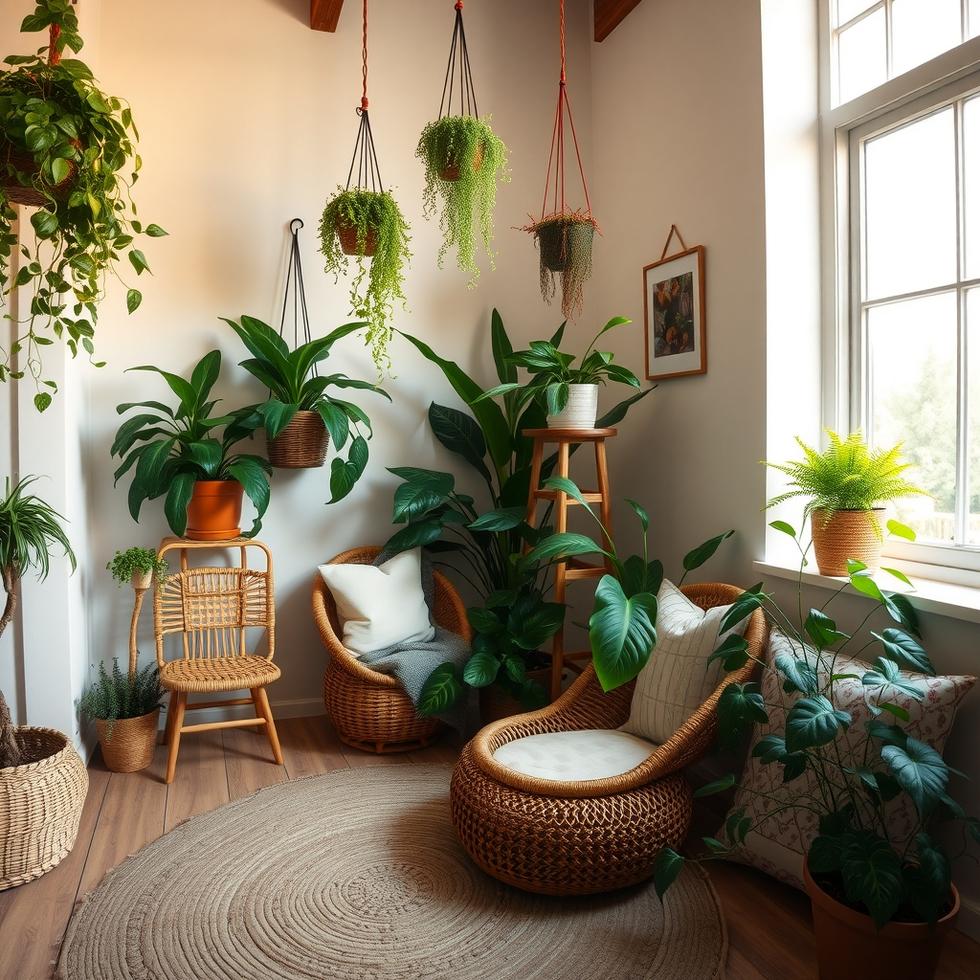
Ready to build the look? Start with one focal wall or corner. This anchors your biophilic interior design ideas and keeps things from feeling scattered. Then grow outward from there.
Next, follow a simple order. First, add plants in odd-numbered clusters. Second, layer natural textures like a wool throw or rattan chair. Third, bring in a water element or nature art if you want more depth.
Mind your spacing. Leave room to walk and breathe between pieces. Don’t crowd every surface. Empty space is part of the calm.
Finally, weave in a few nature-inspired home decor ideas like botanical prints or stone coasters. Small touches tie the whole room together. Step back often and adjust as you go.
Style Variations and Decor Ideas
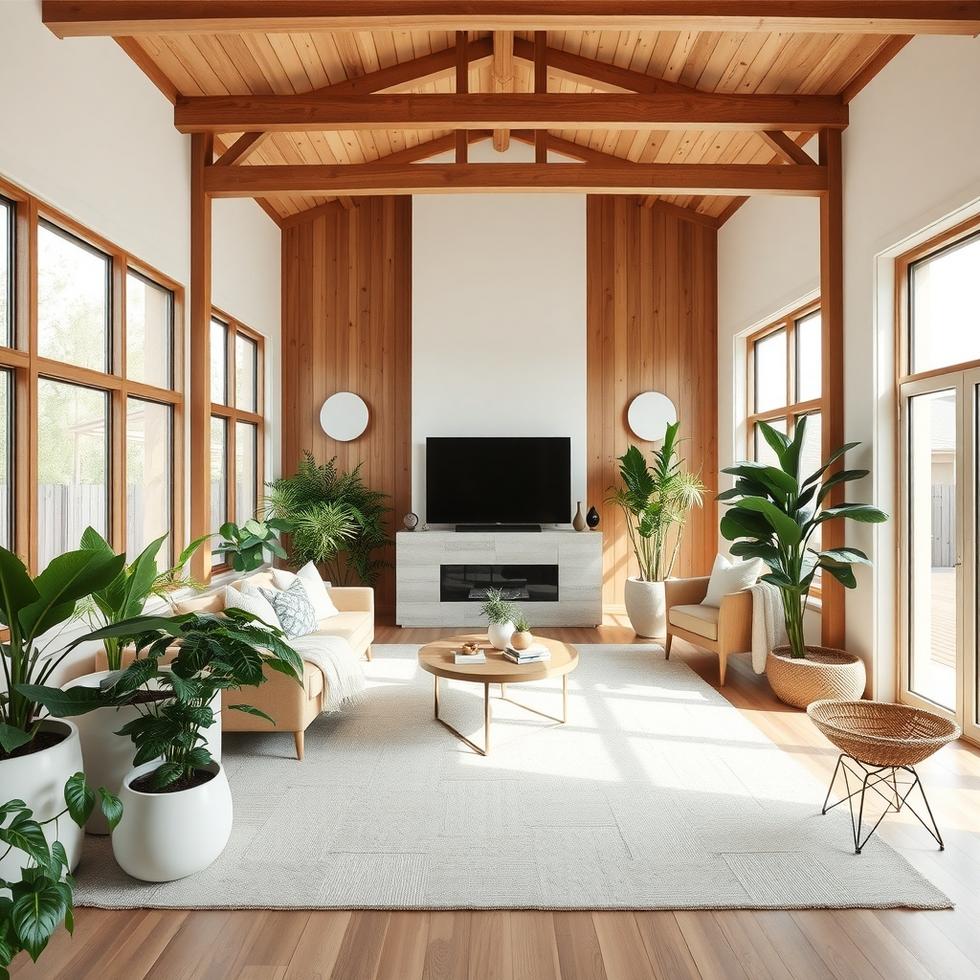
This look bends to fit any taste. Love clean lines? Go minimalist with a few sculptural plants and pale wood. Prefer cozy? Pile on textured throws, warm lighting, and layered rugs.
For a Scandinavian spin, keep colors light and airy. Add birch tones and simple greenery. For a luxury feel, mix marble, brass, and large statement palms.
Small studio? Use vertical space with wall planters and hanging pots. A big family home? Dedicate a sunroom or reading nook to full-on jungle vibes. The concept scales to any lifestyle and room size.
Common Decorating Mistakes to Avoid
The biggest mistake? Choosing plants you can’t keep alive. Match plants to your light and routine. Low light and busy schedule? Pick snake plants, ZZ plants, or pothos.
Another slip is going too matchy. All one shade of green feels flat. Vary leaf shapes, pot styles, and textures instead.
Don’t fake it with cheap plastic everything, either. A few quality faux plants are fine. But real materials and living plants carry the mood. Also, avoid clutter. Too many tiny objects break the calm you’re chasing.
Maintenance and Long Term Style Tips
A green home needs light care to stay fresh. Water plants on a set schedule so none get missed. Wipe leaves now and then to keep them dust-free and glowing.
Rotate plants toward the light every couple of weeks. This keeps growth even and healthy. Trim dead leaves to keep things tidy.
Refresh your decor with the seasons. Swap in dried grasses for fall or fresh branches in spring. These budget-friendly updates keep the space feeling new. Reseal wood and stone occasionally to protect their natural beauty.
Conclusion
Nature belongs inside your home, not just outside the window. With thoughtful biophilic interior design ideas, any room can feel like a calm retreat. Layer plants, natural light, and organic materials for real impact.
Start small and build slowly. Add a planter today and a wood shelf next week. Blend in a few nature-inspired home decor ideas along the way. Soon your whole home will feel grounded and serene. Explore more of our decor guides to keep the inspiration growing.
FAQs
What is biophilic interior design?
It’s a design approach that connects your indoor space to nature. It uses plants, natural light, and organic materials to boost calm and well-being.
Do I need many plants to start?
Not at all. Even two or three well-placed plants make a room feel fresher. Add more over time as you get comfortable.
Which plants are easiest for beginners?
Snake plants, pothos, ZZ plants, and peace lilies are forgiving. They handle low light and irregular watering well.
Can this work in a small apartment?
Yes. Use vertical space, hanging planters, and mirrors to expand light. Small rooms can feel just as lush.
Is biophilic design expensive?
It can be very affordable. Start with a few plants, a jute rug, and natural light. Add pricier materials only when your budget allows.