
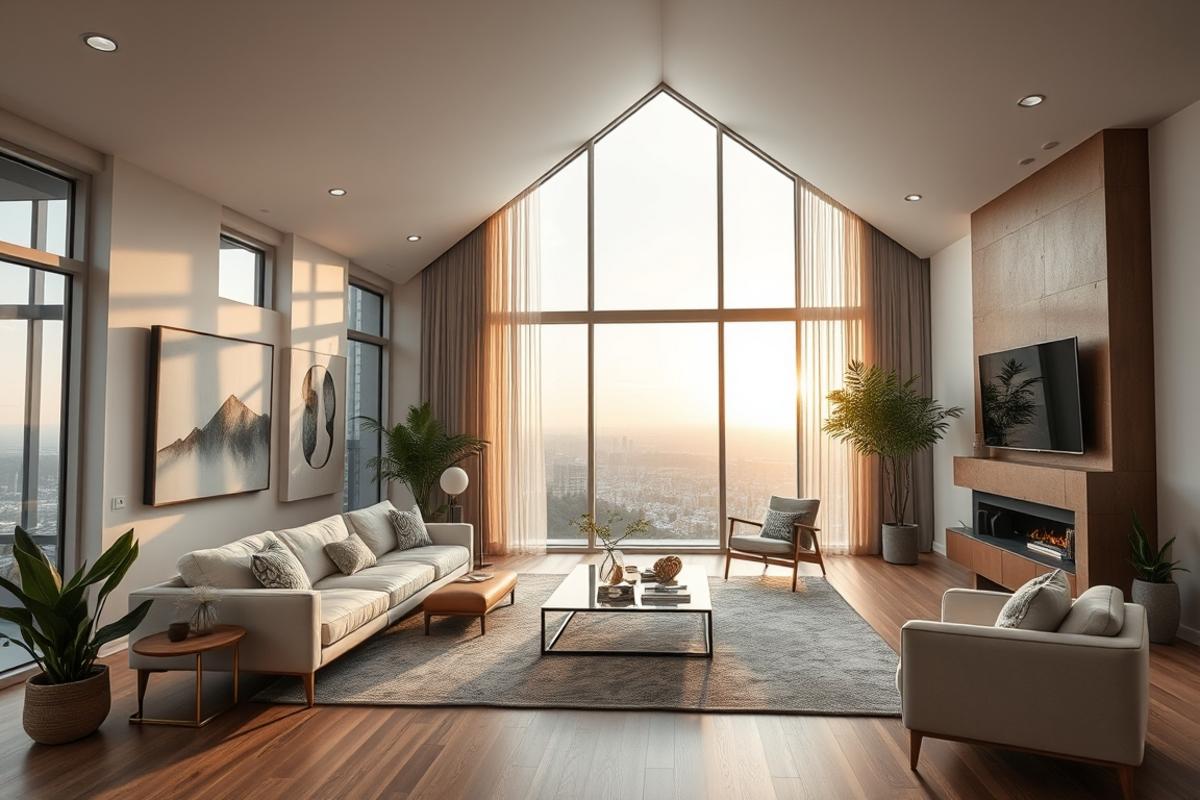
Contemporary Interior Design Tips: Transform Your Home With Confidence
Is your home feeling outdated, cluttered, or just plain uninspiring? You’re not alone. Millions of American homeowners are searching for ways to refresh their spaces without a full renovation.
That’s where contemporary interior design tips can genuinely change the way you live. Contemporary design is clean, functional, and endlessly adaptable. It works in a downtown condo, a suburban family home, or a small apartment.
If you’ve been browsing modern interior design ideas for inspiration, this guide will help you bring those ideas to life. We’re breaking down every key element, from color to furniture to lighting, so you can design with purpose and confidence.
Key Design Elements and Materials
Contemporary design relies on a specific set of materials and finishes. Getting these right is the foundation of a polished, cohesive space.
Clean-Lined Furniture
Choose sofas, tables, and storage pieces with straight, simple lines. Avoid overly ornate or carved detailing. Look for pieces with tapered legs and low profiles. They make rooms feel open and intentional.
Natural and Mixed Materials
Contemporary interiors often blend wood, metal, glass, and stone. A concrete side table paired with a warm walnut shelf creates beautiful contrast. This layering adds depth without visual clutter.
Textiles and Soft Furnishings
Use textiles to add warmth and personality. Think linen curtains, wool throws, and cotton cushions in muted tones. If you’re on a tighter budget, even affordable throw pillows in the right palette make a huge difference.
Wall Finishes
Smooth matte walls are a contemporary staple. Consider limewash paint or venetian plaster for a textured, upscale look. These finishes work beautifully in both large homes and small apartments.
Flooring
Wide-plank hardwood floors or large-format porcelain tiles are ideal. Both materials visually expand a room. Light oak tones are especially popular in modern interior design ideas right now.
Color Palette and Lighting Strategy
Color and light are the two most powerful tools in any designer’s toolkit. Together, they define the entire mood of a room.
The Contemporary Color Palette
Contemporary spaces typically feature neutral base colors. Think warm whites, soft greiges, charcoal grays, and deep navy accents. These tones feel sophisticated without being cold or sterile.
You can introduce color through artwork, cushions, or a single accent wall. Keep it intentional. One or two accent colors go a long way.
Natural Light Is Your Best Friend
In a house, maximize natural light with sheer curtains or no curtains at all on south-facing windows. Natural light makes neutral palettes come alive. It also makes small rooms feel significantly larger.
Artificial Lighting Layers
Contemporary lighting uses three layers: ambient, task, and accent lighting. Recessed ceiling lights provide ambient light. A sculptural floor lamp adds task light and visual interest. Small LED strip lights under shelving create accent light.
Apartment-Specific Tips
In a smaller apartment, use warm-white bulbs (around 2700K to 3000K). This creates a cozy, inviting atmosphere even in tight spaces. Avoid harsh cool-white bulbs, which can make rooms feel clinical.
Mirrors are also a brilliant lighting strategy. Placing a large mirror opposite a window bounces light around the room beautifully.
Step by Step Interior Design Tips
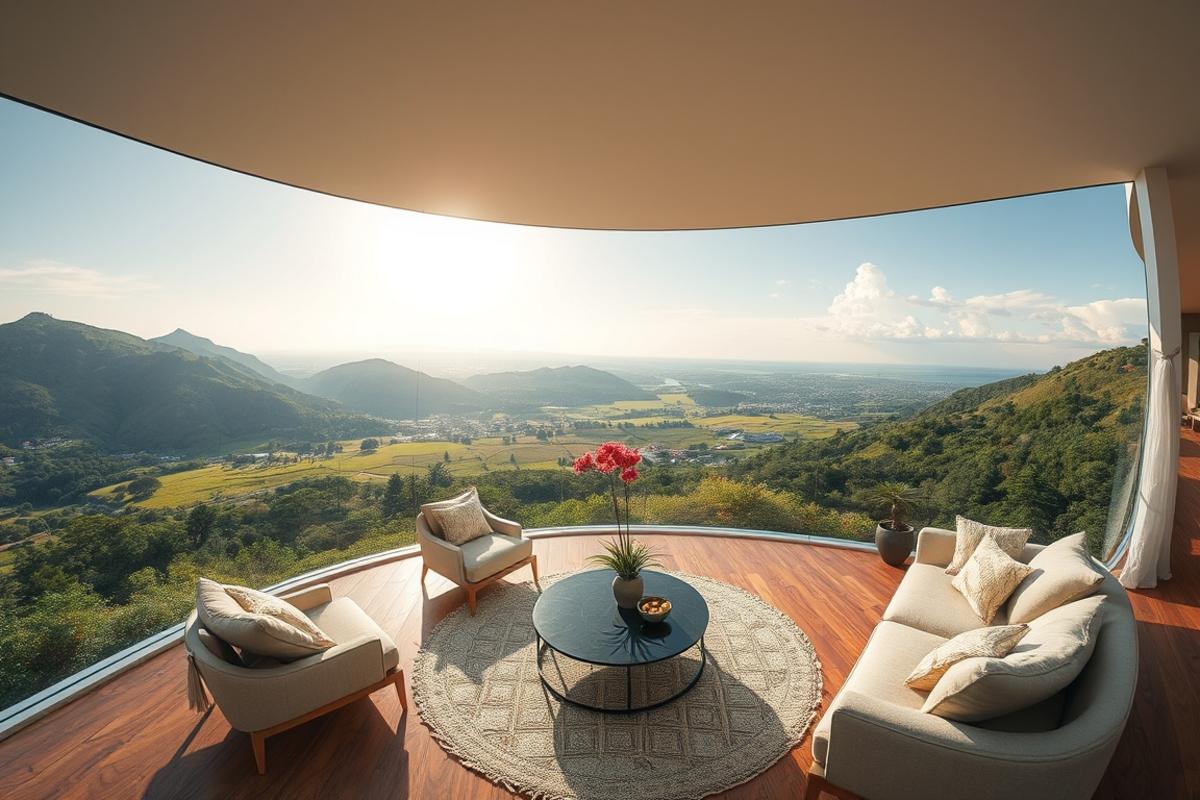
Ready to take action? Follow these steps to build a contemporary space from the ground up.
Step 1: Start With a Clear Vision
Before buying anything, define how you want the room to feel. Calm and minimal? Warm and layered? Collect inspiration images and look for common threads in color, texture, and furniture style.
Step 2: Edit Ruthlessly
Contemporary design thrives on restraint. Remove anything that doesn’t serve a purpose or add beauty. Less is genuinely more here. Donate, store, or sell items that create visual noise.
Step 3: Establish Your Neutral Foundation
Paint walls in a warm neutral. Choose flooring that complements it. These two elements should work quietly in the background, letting your furniture and decor take center stage.
Step 4: Choose a Focal Point
Every room needs one strong focal point. It could be a large piece of art, a fireplace, a dramatic light fixture, or a statement sofa. Build the rest of the room around it.
Step 5: Layer Thoughtfully
Add furniture, then textiles, then decorative objects. Work from large to small. Leave breathing room between pieces. Spacing is just as important as the pieces themselves.
Applying these contemporary interior design tips in a step-by-step order prevents the overwhelm that stops most people from finishing a room makeover. Pairing this process with fresh modern interior design ideas keeps your space feeling current and inspired.
Step 6: Add Greenery and Organic Elements
A few well-placed plants add life and movement to a contemporary space. Choose sculptural varieties like a fiddle leaf fig, snake plant, or olive tree. They complement clean lines beautifully.
Style Variations and Decor Ideas
Contemporary design is a broad umbrella. It can be adapted to suit almost any taste or lifestyle.
Warm Contemporary
This variation leans into natural wood tones, cream textiles, and soft amber lighting. It’s perfect for families or anyone who wants a cozy yet modern feel. Think hygge meets Soho loft.
Minimalist Contemporary
Strip the palette down to two or three tones. Choose only essential furniture. Keep surfaces clear. This version works especially well in small apartments where every square foot counts.
Luxury Contemporary
Introduce marble surfaces, brushed brass hardware, velvet seating, and custom cabinetry. These upgrades signal sophistication without abandoning clean lines. This is a great approach for primary bedrooms and living rooms.
Scandinavian Contemporary
Blend Nordic simplicity with contemporary structure. Use pale wood, white walls, and functional storage. Add cozy knit textiles and simple ceramics. It’s one of the most popular modern interior design ideas in US homes right now.
Industrial Contemporary
Expose concrete, brick, or steel elements. Pair them with warm wood and leather furniture. This style suits loft apartments and open-plan spaces particularly well.
Common Decorating Mistakes to Avoid
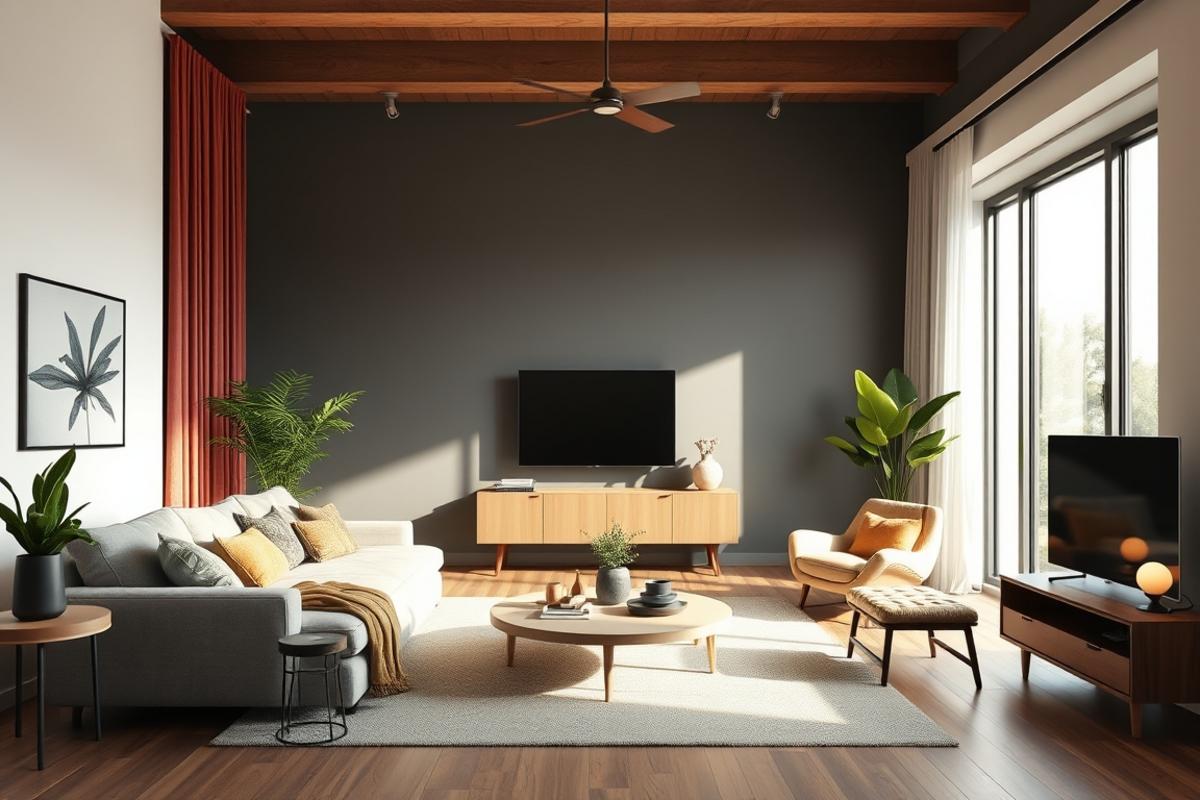
Even the best intentions can lead to design missteps. Here are the most common ones to watch for.
Choosing the Wrong Rug Size
A rug that’s too small is the number one decorating mistake in American homes. In a living room, all front legs of your furniture should sit on the rug at minimum. Ideally, the entire seating arrangement rests on it.
Overloading Surfaces
Contemporary design is easily ruined by too many objects on shelves, coffee tables, or countertops. Keep only items you truly love. Group objects in odd numbers (threes and fives) for a curated look.
Ignoring Scale and Proportion
A tiny sofa in a large room looks lost. A massive sectional in a small room feels suffocating. Always measure your space before purchasing furniture. Use painter’s tape to map out furniture footprints on the floor first.
Matching Everything Too Perfectly
Matchy-matchy sets feel dated in contemporary spaces. Mix wood tones, metal finishes, and textile textures. Contrast creates visual interest and a collected, lived-in feel.
Neglecting Lighting
Relying on a single overhead light is a design mistake. It creates flat, unflattering light. Layer your lighting as described earlier. Even one well-placed floor lamp transforms a room dramatically.
Maintenance and Long-Term Style Tips
A beautiful room is only valuable if you can keep it looking great over time. Here’s how to do it.
Establish a Weekly Reset Habit
Take ten minutes each week to declutter surfaces. Put items back in their place. Clear countertops and tidy shelving. This simple habit keeps your space feeling intentional and polished every day.
Rotate Decorative Objects Seasonally
You don’t need to redecorate to keep things feeling fresh. Simply swap out cushions, throws, and small accessories with the seasons. Warm, earthy tones in fall and winter. Lighter, cooler accents in spring and summer.
Invest in Quality Where It Counts
Spend more on items you touch and use daily. Sofas, beds, and dining chairs are worth the investment. Save money on accessories and decor, which are easier and cheaper to swap out.
Keep Materials Looking Their Best
Natural wood surfaces benefit from occasional conditioning. Stone surfaces may need sealing every year or two. Linen and cotton upholstery should be professionally cleaned annually. Small maintenance steps protect your investment long-term.
Budget-Friendly Refresh Ideas
You don’t need a big budget to update a contemporary space. New light fixtures, fresh paint on an accent wall, and updated hardware on cabinets are three of the most cost-effective changes you can make.
Conclusion
Contemporary interior design is one of the most rewarding styles to pursue. It’s livable, timeless, and endlessly adaptable to your personal taste.
The key is intention. Every element should earn its place. Every color, material, and light source should serve the overall vision of the room.
By following these contemporary interior design tips, you’re investing in a home that feels calm, beautiful, and authentically yours. And by exploring fresh modern interior design ideas, you’ll always have new inspiration to keep your space evolving.
Start with one room. Take it one step at a time. Your dream home is closer than you think.
Explore more articles on ItsDecor.com for room-by-room guides, color inspiration, and budget-friendly decorating ideas.
FAQs
What is the difference between contemporary and modern interior design?
Modern design refers to a specific historical period, roughly the early to mid-twentieth century. It features clean lines, organic shapes, and a minimalist approach. Contemporary design refers to what’s current and popular right now. It borrows from many styles and evolves over time. Both share clean aesthetics, but contemporary design is more flexible and inclusive of current trends.
How do I start applying contemporary interior design tips in a small apartment?
Start by decluttering and editing down to only the essentials. Choose multi-functional furniture with clean lines. Use a neutral color palette to make the space feel larger. Layer lighting carefully and use mirrors to bounce natural light. Even in a small space, these steps create a cohesive, polished contemporary feel.
What colors work best in a contemporary interior?
Warm neutrals are the foundation of most contemporary interiors. Think soft white, warm beige, greige, and light taupe as base colors. Layer in deeper tones like charcoal, navy, or forest green as accents. Avoid overly bright or saturated colors as primary wall colors, as they can undermine the calm, refined quality of contemporary design.
How much should I spend to achieve a contemporary look?
You don’t need a large budget to achieve a strong contemporary aesthetic. Prioritize spending on key anchor pieces like your sofa, bed frame, or dining table. Save on accessories, artwork, and textiles, which are easy and affordable to update. A fresh coat of neutral paint and new lighting fixtures can transform a room for a few hundred dollars.
Can contemporary design work in a traditional-style home?
Absolutely. Many American homes have traditional architectural details like crown molding, arched doorways, or brick fireplaces. Contemporary furnishings and decor can create a beautiful contrast with these features. The key is balance. Keep walls and large furniture contemporary, and let the architectural details add character. This blended approach is one of the most popular modern interior design ideas for older homes right now.