
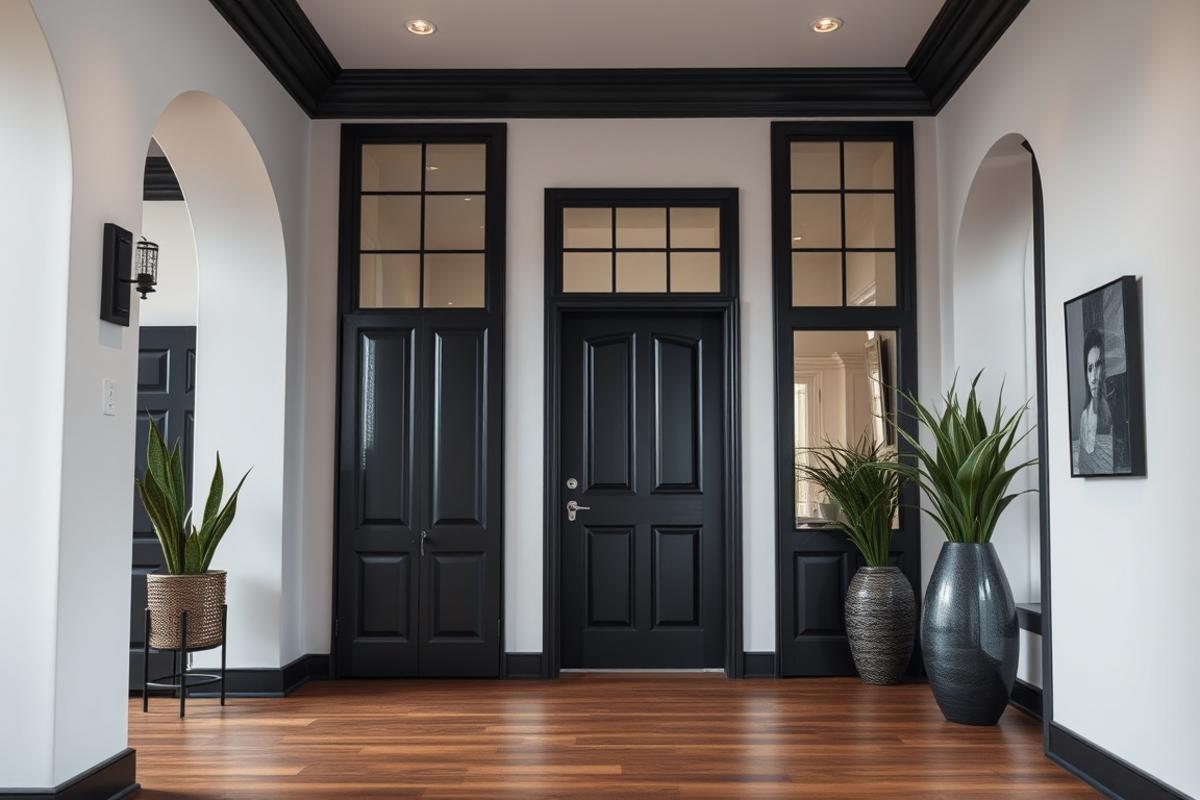
What if one simple change could completely transform the personality of your home? A black door does exactly that. It’s bold, timeless, and surprisingly versatile. Whether you’re redecorating a single room or planning a full home refresh, black door interior design is one of the smartest moves you can make right now. And if you love a sleek, contemporary aesthetic, modern black interior doors are showing up in homes across America for very good reason. They add drama, definition, and a sense of intentional style that few other design choices can match.
Black doors have moved far beyond the front entryway. Today, they’re being used throughout homes, from bedroom doors to bathroom entries to closet panels. The contrast they create against lighter walls is striking. But making the look work requires more than just painting a door black. It takes a thoughtful approach to color, materials, lighting, and layout.
This guide walks you through everything you need to know. You’ll get practical tips, style ideas, and easy-to-follow advice for any home size or budget. Let’s get into it.
Key Design Elements and Materials
The success of black door interior design starts with choosing the right materials. Solid wood doors with a matte black finish feel high-end and warm. They work especially well in traditional, farmhouse, and transitional interiors. If you’re on a tighter budget, hollow-core doors with a semi-gloss black paint still deliver a polished result.
Door hardware matters more than most people realize. Matte black handles and hinges create a seamless, unified look. Brushed brass or gold hardware against a black door adds a luxurious contrast. Chrome and nickel finishes feel more industrial and work well in modern or loft-style spaces.
Wall finishes surrounding the door also play a big role. Crisp white walls are the classic pairing. But warm greige, soft sage green, and even deep navy walls can look stunning with a black door. Textured walls, like limewash or grasscloth wallpaper, add depth without competing with the door’s boldness.
Flooring matters too. Light oak hardwood floors create a beautiful contrast beneath a black door. Concrete, slate, and dark tile floors work well in more industrial or modern settings. For apartments with carpet, adding a patterned or solid-colored area rug near the doorway helps ground the design and frame the space intentionally.
Color Palette and Lighting Strategy
Color is everything when you’re working with black doors. The key is balance. Black is a strong anchor color, so the palette around it should feel intentional, not chaotic. Neutral tones like white, cream, warm beige, and soft gray are the most forgiving. They let the door stand out without overwhelming the room.
If you want something bolder, try pairing black doors with earthy terracotta, dusty rose, or muted olive. These colors create warmth and sophistication without feeling too dark or heavy. Avoid pairing black doors with very dark walls unless you’re going for a dramatic, moody aesthetic on purpose.
Lighting changes everything in a room with a black door. Natural light is your best friend. If the room gets good daylight, the black door will look rich and grounding. In rooms with limited natural light, strategic artificial lighting becomes essential. Recessed ceiling lights, wall sconces near the doorway, and floor lamps nearby all help prevent the space from feeling dim or closed-in.
For apartments without much natural light, choose warm-white bulbs over cool-white ones. Warm light softens the contrast between black and lighter surfaces. It makes the space feel cozy rather than stark. In larger homes or open floor plans, you can afford more contrast because the room has space and light to absorb it comfortably.
Mirrors placed strategically near a black door also amplify light. A large mirror on the adjacent wall reflects both natural and artificial light back into the room. It’s a simple trick that makes a real difference in smaller spaces or darker hallways.
Step by Step Interior Design Tips
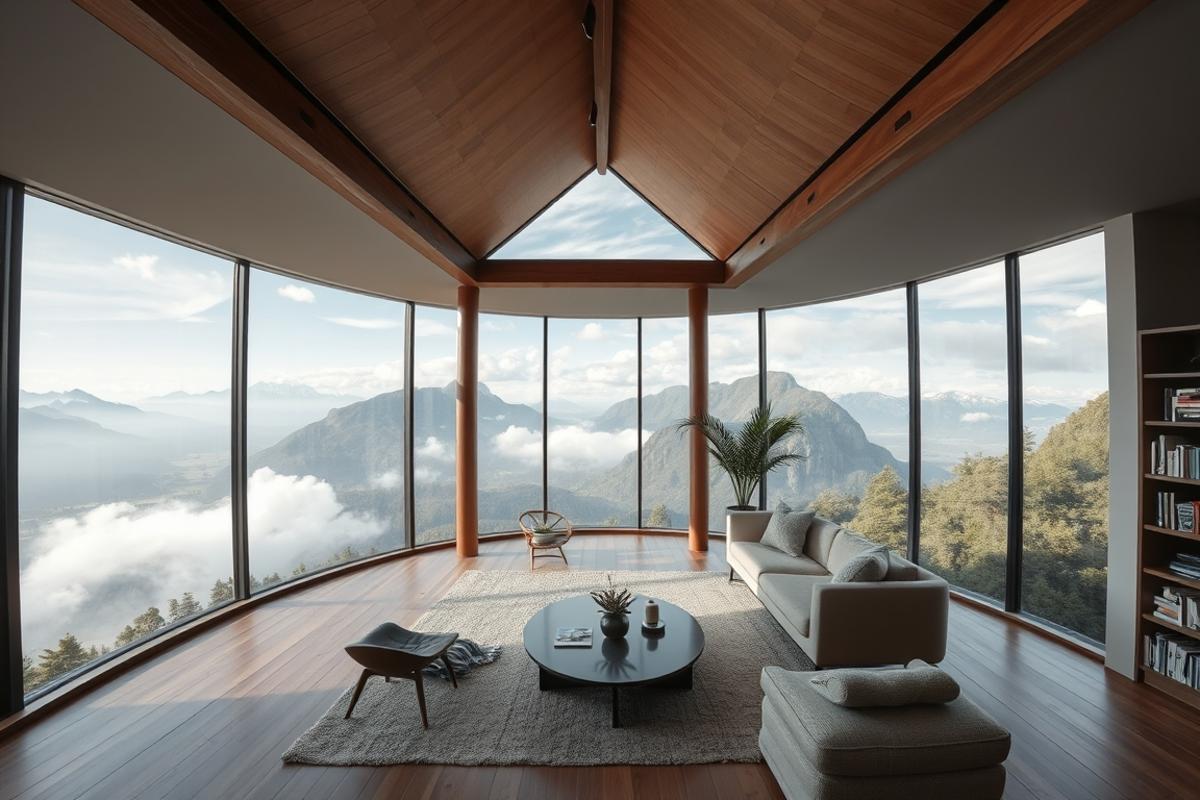
Start by choosing your door finish before making any other decisions. Matte black feels more casual and contemporary. Gloss black feels formal and dramatic. Semi-gloss lands in the middle. Pick the finish based on the overall mood you want for the room. Then select your hardware to complement that finish.
Next, assess your wall color. If you’re keeping existing walls, test a black door paint sample against the wall in natural and artificial light before committing. Colors shift dramatically depending on light conditions. This step saves you from a costly mistake later.
Once the door is installed or painted, step back and look at the full doorway as a frame. Black door interior design works best when the surrounding wall space is treated thoughtfully. Consider adding trim molding around the door in white or a contrasting color. This architectural detail makes the door look intentional and custom, not just painted.
Furniture placement near the door also matters. Don’t crowd the doorway. Leave at least 18 to 24 inches of clear space on either side where possible. This lets the door breathe visually. A slim console table, a single accent chair, or a simple piece of wall art nearby can complete the vignette without cluttering it.
When it comes to modern black interior doors, the style works best when it’s repeated consistently throughout the home. If you paint one door black, consider painting all visible interior doors the same shade. Consistency makes the design feel deliberate and cohesive rather than accidental. It elevates the entire home’s aesthetic with minimal effort.
Style Variations and Decor Ideas
One of the best things about black door interior design is how adaptable it is. It doesn’t belong to just one style. It works across many aesthetics, from ultra-modern to warm and cozy.
In a minimalist space, pair a matte black door with white walls, bare wood floors, and simple geometric furniture. Keep decor sparse. Let the door be the visual statement. This approach works beautifully in studios and smaller apartments.
For a farmhouse or rustic style, combine the black door with shiplap walls, barn-style hardware, and natural linen or cotton textiles. Wicker baskets, potted plants, and vintage-inspired light fixtures complete the look. It’s warm, lived-in, and charming.
In a luxury or glam-inspired space, pair black doors with velvet furniture, metallic accents, and dramatic lighting fixtures. Marble surfaces, mirrored furniture, and rich jewel tones like emerald or sapphire create a sophisticated palette. This works well in larger rooms and primary suites.
Scandinavian-inspired spaces love black doors paired with light wood tones, white walls, and cozy textiles. Think sheepskin throws, simple pendant lights, and clean-lined furniture. It’s calm, airy, and effortlessly stylish. This aesthetic works especially well in open-plan living spaces and modern condos.
Common Decorating Mistakes to Avoid
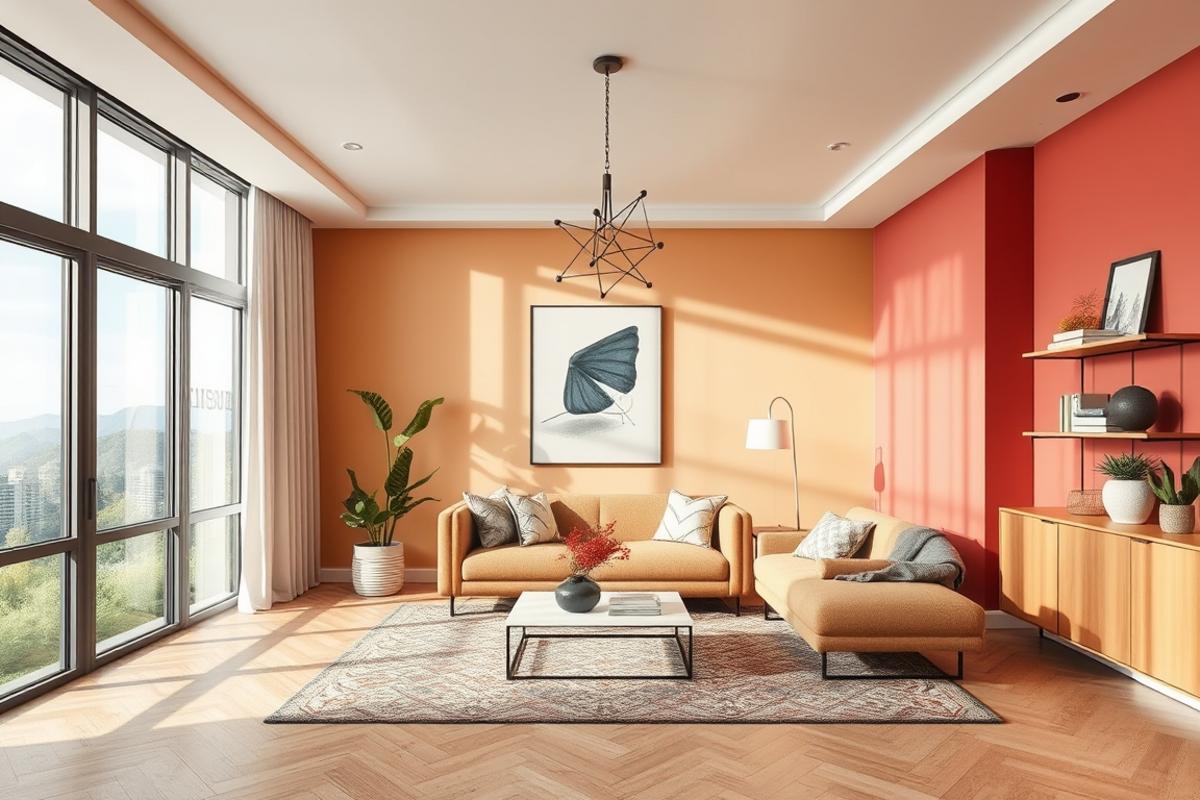
The biggest mistake people make with black doors is choosing the wrong sheen. A high-gloss finish in a casual or rustic home looks out of place. Always match the door finish to the overall tone and formality of the space. Matte finishes are more forgiving and versatile in most American homes.
Another common error is ignoring the trim color. White trim with a black door is a classic combination that rarely fails. But if your trim is already a warm cream or beige, stark white trim can feel disconnected. Tie your trim color into the existing palette to keep everything harmonious.
Mismatching hardware is a mistake that’s easy to make. Using silver hardware on one door and brass on another looks inconsistent. Pick one metal finish and use it throughout the home. Consistency in hardware creates a polished, intentional look throughout the entire space.
Don’t forget about the door’s interior face. Many people paint only the side visible from the hallway and leave the room-side face in the original color. For a cohesive result, paint both sides of the door the same color. It makes the design feel complete and professional no matter which side you’re looking from.
Finally, avoid overdoing contrast. Black doors are bold on their own. You don’t need black furniture, black ceilings, and black floors all at once. Too much black in a single room can feel overwhelming. Balance the door’s boldness with lighter, softer elements throughout the rest of the space.
Maintenance and Long Term Style Tips
Black doors show fingerprints and smudges more visibly than lighter finishes. This is the honest truth. But it’s manageable. Wipe the door down weekly with a slightly damp microfiber cloth. For tougher smudges, a mild dish soap solution works well without damaging the paint finish.
Touch-up paint is your best friend for long-term maintenance. Keep a small jar of the exact paint color used on your doors. Chips and scuffs happen, especially near high-traffic areas like kitchens and entryways. A quick touch-up every six to twelve months keeps the doors looking fresh and new.
To refresh the look seasonally without repainting, swap out the small decor elements nearby. Change the artwork adjacent to the door, swap out a throw rug, or update a nearby lamp. These small changes keep the space feeling current without any major investment of time or money.
Over time, if you want to update the space, consider switching hardware. New handles and pulls can give the doors a completely different feel without repainting. This is one of the most budget-friendly ways to refresh a room and keep your black door interior design feeling current year after year.
Shop the Look: Our Top Picks
As an Amazon Associate, ItsDecor earns from qualifying purchases.
Conclusion
Black doors are one of those rare design choices that are both timeless and on-trend. They add structure, elegance, and personality to any room. Whether you’re starting from scratch or refreshing an existing space, committing to black door interior design is a decision you’re unlikely to regret. It works in small apartments, sprawling family homes, modern condos, and cozy farmhouses alike.
The key is in the details. Choose the right finish, match your hardware, balance your color palette, and think about lighting carefully. Repeat the look consistently throughout your home for maximum impact. And don’t be afraid to layer in your personal style through textiles, artwork, and accessories.
If you love the look of modern black interior doors, you’re in good company. Designers across the country are embracing this look for its versatility and its ability to elevate any interior instantly. And with the right approach, described throughout this guide, you can pull it off beautifully in your own home.
Ready to take the next step? Explore more black door interior design inspiration and related decor ideas right here on ItsDecor.com. Your next favorite room makeover might be just one painted door away.
FAQs
What wall colors work best with black interior doors?
White and off-white are the most popular pairings because they create clean, high-contrast looks. Warm neutrals like greige, beige, and soft taupe also work beautifully. If you want something bolder, dusty sage, muted terracotta, or warm navy can look stunning with a black door, as long as the overall lighting in the room is adequate.
Are black interior doors hard to maintain?
They do show smudges and fingerprints more readily than lighter finishes. However, a quick weekly wipe with a damp microfiber cloth keeps them looking clean. Keep touch-up paint on hand for minor chips. Matte and satin finishes tend to hide minor surface imperfections better than high-gloss finishes.
Do black doors make a room feel smaller?
Not necessarily. When paired with light walls and good lighting, black doors actually add depth and dimension rather than shrinking the space. The key is balance. Use plenty of natural or warm artificial light nearby, and keep surrounding decor light and airy to prevent the room from feeling closed in.
Should I paint all interior doors black or just some of them?
For the most cohesive and polished result, paint all visible interior doors the same color. Consistency throughout the home makes the design look intentional. If you’re not ready to commit fully, start with doors in one area, like a hallway or main living space, and see how you feel before expanding the look.
What hardware finishes look best on black interior doors?
Matte black hardware creates a seamless, tonal look that feels very current and sophisticated. Brushed brass or antique gold adds warmth and a luxurious contrast. Polished nickel or chrome gives a cleaner, more industrial edge. The best choice depends on your overall design style and the other metal finishes already present in your home.