
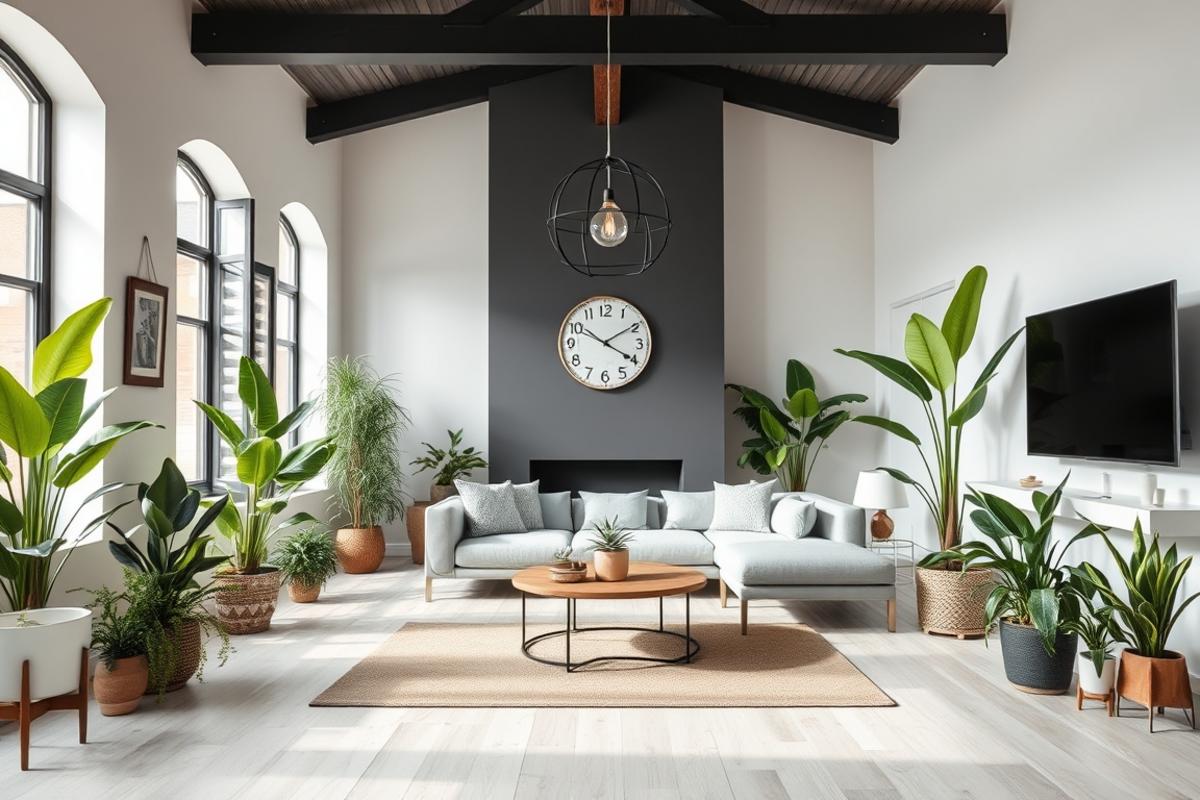
Indoor Plant Decor Ideas That Will Transform Every Room in Your Home
Want to make your home feel more alive, more calming, and genuinely beautiful? Plants might be the simplest answer. They bring texture, color, and life to any space. And the best part? You don’t need a green thumb or a big budget to make it work.
Indoor Plant Decor Ideas have become one of the most popular design trends in American homes right now. From cozy apartments in Chicago to open-plan houses in Austin, homeowners are turning to greenery to refresh their interiors. If you’re ready to elevate your space, pairing good plant choices with smart Houseplant Styling Tips makes all the difference. Let’s dive in.
Key Design Elements and Materials
Plants don’t work in isolation. They interact with every material and finish in your room. So before you bring home a fiddle leaf fig, it helps to understand the full design picture.
Planters and Containers
The pot is part of the decor. Terracotta brings warmth and an earthy, artisanal feel. Ceramic planters in white or matte black look clean and modern. Woven baskets work beautifully in bohemian or coastal-style rooms. Choose containers that match your existing palette.
Natural Textures
Plants pair naturally with wood, linen, jute, and rattan. These materials share the same organic quality. Together, they create a layered, lived-in look. Even a simple wooden shelf can become a statement when styled with a few trailing plants.
Wall Finishes
Light-colored walls make foliage pop. Soft whites, warm creams, and sage greens let plants stand out as the focal point. If your walls are dark, choose plants with large, light-catching leaves like monsteras or peace lilies.
Budget Alternatives
You don’t need expensive planters or rare plants. Dollar store terra cotta pots, painted and styled, look stunning. Budget-friendly pothos or snake plants are nearly indestructible. Great indoor plant decor ideas don’t always require big spending.
Color Palette and Lighting Strategy
Color and light are the two forces that determine whether your plant decor looks intentional or accidental. Get these right, and everything else falls into place.
Choosing the Right Color Palette
Warm neutrals like cream, beige, and terracotta complement most green tones. They create a grounded, natural atmosphere. Cool tones like gray, navy, or slate create a sharper contrast. That contrast makes greenery look especially vibrant and intentional.
Natural Light for Plants and Rooms
South-facing windows are a goldmine for plant lovers. They provide the most consistent, bright indirect light throughout the day. East-facing windows offer gentle morning sun. This is ideal for ferns, pothos, and calatheas that don’t like harsh afternoon rays.
Artificial Lighting That Works
In apartments without great natural light, don’t give up. Warm LED grow lights blend beautifully into a room. They support plant health while adding a cozy ambient glow. Position them as a design element, not just a functional tool.
For Apartments Specifically
Small spaces benefit from vertical plant arrangements. A tall floor plant in a corner draws the eye upward, making ceilings feel higher. Use mirrors nearby to reflect both the plant and the light. It doubles the visual impact in even the smallest studio.
Step by Step Interior Design Tips
Ready to actually style your space? Follow these steps, and your results will look intentional and polished.
Step 1: Start With One Anchor Plant
Choose one large, statement plant first. A monstera, bird of paradise, or rubber tree works well. Place it in a corner or beside a sofa. This becomes your design anchor. Everything else builds around it.
Step 2: Add a Mid-Level Layer
Place medium plants on side tables, shelves, or window ledges. Vary the height slightly. This keeps the eye moving and avoids a flat, one-dimensional arrangement. ZZ plants, snake plants, and peace lilies work well at this level.
Step 3: Introduce Trailing Plants
Trailing plants like pothos, string of pearls, or heartleaf philodendron add movement. Hang them from macrame hangers or let them spill off high shelves. They soften hard edges and add an organic, relaxed quality to the arrangement.
Step 4: Use Odd Numbers
Group plants in threes or fives. Odd-number groupings look more natural and visually dynamic. Even numbers can feel too symmetrical and rigid. This is one of the most overlooked houseplant styling tips used by professional decorators.
Step 5: Edit and Refine
Less is more when you’re starting out. Don’t fill every surface. Leave breathing room between plants. A well-edited arrangement always looks more sophisticated than a crowded one.
These Indoor Plant Decor Ideas work in every room. And applying thoughtful Houseplant Styling Tips ensures your green additions feel purposeful, not random.
Style Variations and Decor Ideas
Not every home has the same aesthetic. The good news is that indoor plant decor ideas adapt beautifully to almost any style.
Modern and Minimalist
Stick to one or two large architectural plants. Think a snake plant or a fiddle leaf fig in a sleek white or concrete planter. Keep the arrangement simple and uncluttered. The plant becomes sculpture.
Bohemian and Eclectic
Layer plants of different heights, textures, and sizes. Mix macrame hangers with terracotta pots and woven baskets. The more layered and textural, the better. Trailing and climbing plants are especially at home in boho spaces.
Scandinavian and Hygge-Inspired
Choose plants with soft, rounded forms. Ferns, peace lilies, and rubber plants fit perfectly. Keep planters in neutral tones. Natural wood accents and warm textiles tie the whole scheme together.
Luxury and Formal
Large, dramatic plants like fiddle leaf figs or birds of paradise in sculptural ceramic planters create an upscale look. Pair with rich materials like velvet, brass, and marble. Symmetry and scale matter here more than anywhere else.
Small Space and Apartment Living
Think vertically. Floating shelves with small potted plants, wall-mounted planters, or a dedicated plant corner work well. Terrariums are also a smart, space-efficient option that looks elegant and modern.
Common Decorating Mistakes to Avoid
Even the best intentions can lead to design missteps. Here are the most common ones and how to avoid them.
Choosing the Wrong Plant for the Light
This is the number one mistake. A low-light plant placed in a bright window will struggle. A sun-loving plant placed in a dark corner will die. Always match the plant to the actual light conditions in your room.
Ignoring Scale
A tiny plant on the floor beside a tall sofa disappears visually. A giant plant on a small side table overwhelms the space. Think about scale and proportion. The plant should complement the furniture, not compete with it.
Mismatched Planters
Random, unrelated pots in every color and material create visual chaos. Choose a cohesive palette for your containers. Two or three materials, maximum. This instantly makes a collection of plants look curated.
Overcrowding the Space
More plants does not always mean better decor. Overcrowded shelves look messy, not lush. Edit your arrangement regularly. Remove plants that aren’t thriving. Give the healthy ones room to breathe and be seen.
Forgetting About Drainage
Decorative pots without drainage holes cause root rot. Always use a nursery pot with drainage inside your decorative container. This protects both the plant and your furniture surfaces.
Maintenance and Long Term Style Tips
Beautiful indoor plant decor ideas only stay beautiful with a little ongoing care. But it doesn’t have to be complicated or time-consuming.
Establish a Watering Routine
Overwatering is the most common reason houseplants fail. Most indoor plants prefer to dry out slightly between waterings. Check the soil with your finger before reaching for the watering can. When in doubt, wait a day or two more.
Dust the Leaves
Dusty leaves block sunlight and look dull. Wipe large leaves gently with a damp cloth every few weeks. It keeps plants healthy and makes them look fresh and vibrant. This is one of those small tasks with a big visual payoff.
Seasonal Refreshes
Swap out a few planters each season. Bring in new plant varieties to keep things feeling fresh. In fall, lean into warmer tones with amber or rust-colored pots. In spring, introduce brighter greens and lighter containers.
Rotate Your Plants
Plants grow toward light. Rotating them every few weeks encourages even, balanced growth. It also prevents one side from becoming sparse and less attractive. A symmetrical, full plant always looks better in a room.
Budget-Friendly Updates
You don’t need to buy new plants to refresh your decor. Repotting an existing plant into a new container transforms its look instantly. Rearranging your current collection with fresh eyes can also feel like a whole new design.
Shop the Look: Our Top Picks
As an Amazon Associate, ItsDecor earns from qualifying purchases.
Conclusion
Plants have a remarkable ability to transform a room. They add color, life, movement, and warmth that no piece of furniture can replicate. And when styled thoughtfully, they elevate the entire aesthetic of your home.
The key is intention. Choose plants that suit your light conditions. Group them with purpose. Edit regularly. Keep your containers cohesive. And don’t be afraid to experiment and adjust as your space evolves.
Whether you’re just getting started or refining an already green-filled home, these Indoor Plant Decor Ideas give you a clear path forward. And keeping up with great Houseplant Styling Tips will help you stay inspired as your style continues to grow.
Explore more decor inspiration right here on ItsDecor.com. There’s always a new idea waiting to refresh your home.
FAQs
What are the best plants for low-light apartments?
Pothos, snake plants, ZZ plants, and peace lilies all thrive in low-light conditions. They’re hardy, affordable, and look great in modern or minimal interiors. These are excellent starting points for anyone new to houseplant styling tips.
How many plants should I have in one room?
There’s no strict rule, but balance matters. A good starting point is one large anchor plant, two to three mid-size plants, and one or two smaller or trailing plants. Edit based on what the room can visually support without feeling cluttered.
How do I keep my planters looking cohesive?
Choose two or three complementary materials and stick to a consistent color palette. Terracotta, white ceramic, and natural wood tones work well together in most styles. Avoid mixing too many finishes or bold colors in a single arrangement.
Can I use fake plants for indoor plant decor ideas?
High-quality faux plants can work beautifully in spaces with zero natural light, like windowless bathrooms or dark hallways. Look for realistic options made from quality materials. In well-lit rooms, real plants almost always look better and improve air quality too.
How do I prevent my plants from dying after I bring them home?
The most important step is matching the plant to your home’s actual light conditions before you buy it. Overwatering is the second biggest issue. Research the specific needs of each plant you bring home. Start with low-maintenance varieties if you’re a beginner.