
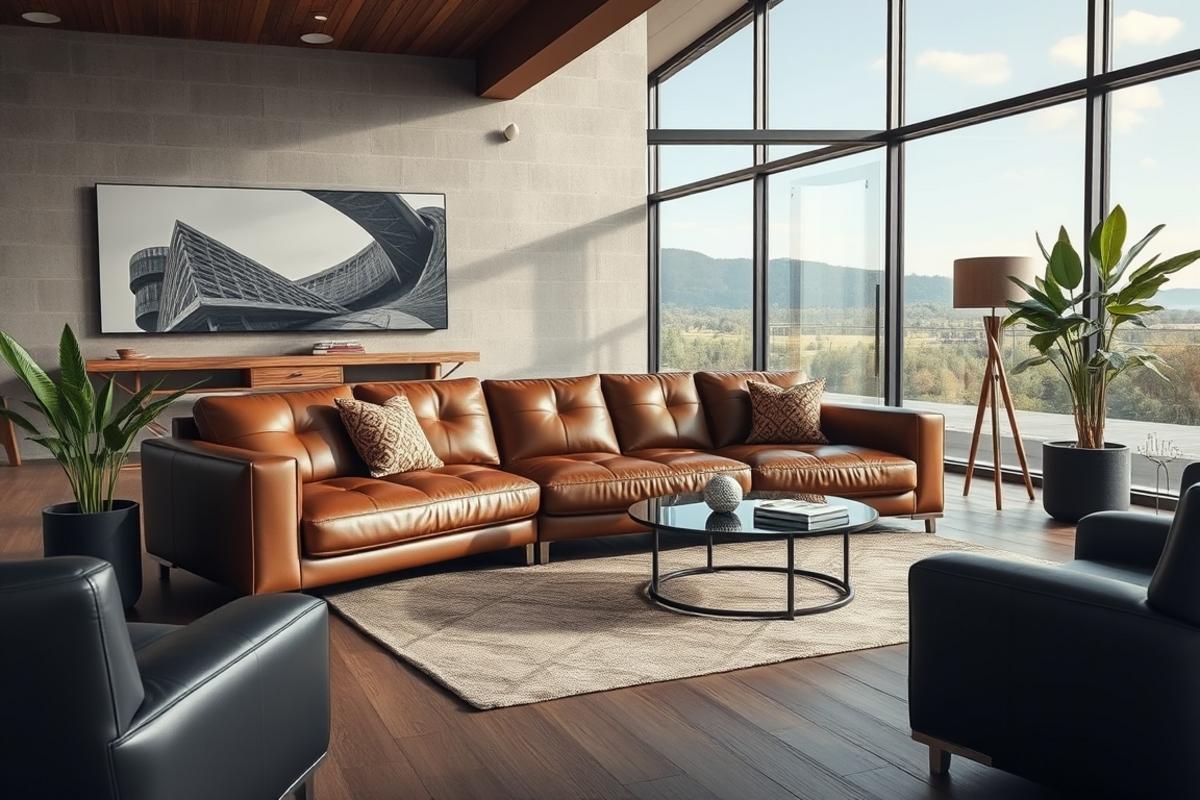
The sofa you choose can make or break the entire feel of your living room. And right now, one piece is turning heads in homes across the country — the eco leather sofa. It’s stylish, it’s smart, and it fits beautifully into the modern American home. If you’ve been searching for a way to refresh your space without compromising your values, a sustainable faux leather couch might be exactly what you need. These pieces combine guilt-free materials with sophisticated design. They work in apartments, open-plan homes, and cozy condos alike. Let’s explore how to style one perfectly.
Key Design Elements and Materials
An eco leather sofa is made from plant-based or recycled materials. Common sources include apple peel, cactus fiber, pineapple leaf, and recycled polyurethane. These materials look remarkably close to traditional leather. But they’re far more sustainable and often easier to clean.
The texture matters a lot when you’re choosing your piece. Look for a surface that has some grain to it. A completely flat, plasticky finish can look cheap in natural light. A subtle texture adds depth and makes the sofa look more expensive than it is.
For color, neutral tones are the most versatile. Think warm taupes, soft creams, charcoal grays, and rich espresso browns. These shades pair well with wood tones, linen throws, and natural fiber rugs. If you want something bolder, deep forest green or burnt sienna can make a dramatic statement.
For smaller apartments, a loveseat-sized version works beautifully. If you have a larger living room, consider a sectional style. Many sustainable faux leather couch options now come in modular configurations, so you can start small and expand later.
Frame quality is just as important as the upholstery. Look for solid hardwood frames or FSC-certified wood. High-density foam cushions hold their shape longer. And reinforced stitching at the seams means the piece will last for years.
Color Palette and Lighting Strategy
Color sets the emotional tone of your room. A light-colored eco leather sofa in cream or sand reflects natural light beautifully. It makes a room feel open, airy, and calm. Pair it with warm white walls and sheer curtains for a breezy, coastal look.
Dark-toned sofas in charcoal or chocolate brown create a moody, grounded atmosphere. They anchor the room visually. These work especially well in rooms with warm wood floors and layered lighting.
Natural light is your best friend. Position your sofa near windows when possible. South-facing rooms in the US get the most daylight. If your apartment faces north, you’ll want to compensate with warm artificial lighting.
For artificial lighting, layer your sources. Use a floor lamp beside the sofa for task lighting. Add a pendant or chandelier overhead for ambiance. And consider warm-toned LED bulbs in the 2700K to 3000K range. They mimic natural light without the harshness of cool white bulbs.
In open-plan spaces, lighting can also define zones. A statement pendant above the sofa area signals where the living room begins. It creates a cozy island of light in a larger space. This works incredibly well in loft apartments and open-concept condos.
Step by Step Interior Design Tips

Start by measuring your space before anything else. The sofa should take up no more than two-thirds of the room’s width. This leaves breathing room on both sides and keeps the layout balanced. Sketch it out on graph paper or use a free room-planning app.
Next, choose your anchor rug. The rug should extend at least 18 inches beyond the sides of the sofa. This grounds the seating area and defines the zone. A natural jute or wool rug complements an eco leather sofa beautifully. It reinforces the sustainable, organic aesthetic.
Position the sofa to face a focal point. That could be a fireplace, a TV console, or a gallery wall. Avoid pushing it flat against the wall. Floating the sofa even 12 inches away from the wall creates a more polished, designer look.
Add a coffee table at the right distance. Leave about 18 inches between the sofa and the table. This gives you room to move without the table feeling disconnected. A reclaimed wood or bamboo coffee table pairs perfectly with a sustainable faux leather couch and ties the eco-conscious theme together.
Layer your textiles next. Add two to three throw pillows in linen, cotton, or recycled fabric. A chunky knit throw over one armrest adds warmth and texture. Don’t match everything too perfectly. A mix of tones and textures looks more curated and lived-in.
Finally, style your side table and floor lamp. Keep it simple. A small plant, a candle, and one decorative object are all you need. Less is more when the sofa is already a strong focal point.
Style Variations and Decor Ideas
One of the best things about an eco leather sofa is how versatile it is across design styles. In a modern minimalist room, pair a sleek, low-profile model with a monochrome palette. Think white walls, black accents, and clean-lined furniture. The sofa becomes the star without any clutter.
For a Scandinavian-inspired space, go with a light beige or warm gray sofa. Add wood-legged furniture, sheepskin throws, and simple greenery. The combination feels effortlessly calm and intentional.
If you love the maximalist or eclectic look, choose a bold-colored version. A deep teal or terracotta eco leather sofa looks stunning against a gallery wall of mixed-frame art. Layer in patterned cushions and a vintage rug for personality.
For a cozy, cottagecore-inspired space, opt for a warm caramel tone. Pair it with botanical prints, rattan accents, and warm Edison bulb lighting. It feels earthy, welcoming, and deeply comfortable.
In luxury interior design, go for a tufted or channel-stitch design in black or ivory. Add gold-tone hardware on side tables and a sculptural pendant light. The result is elevated, sophisticated, and completely animal-free.
Common Decorating Mistakes to Avoid
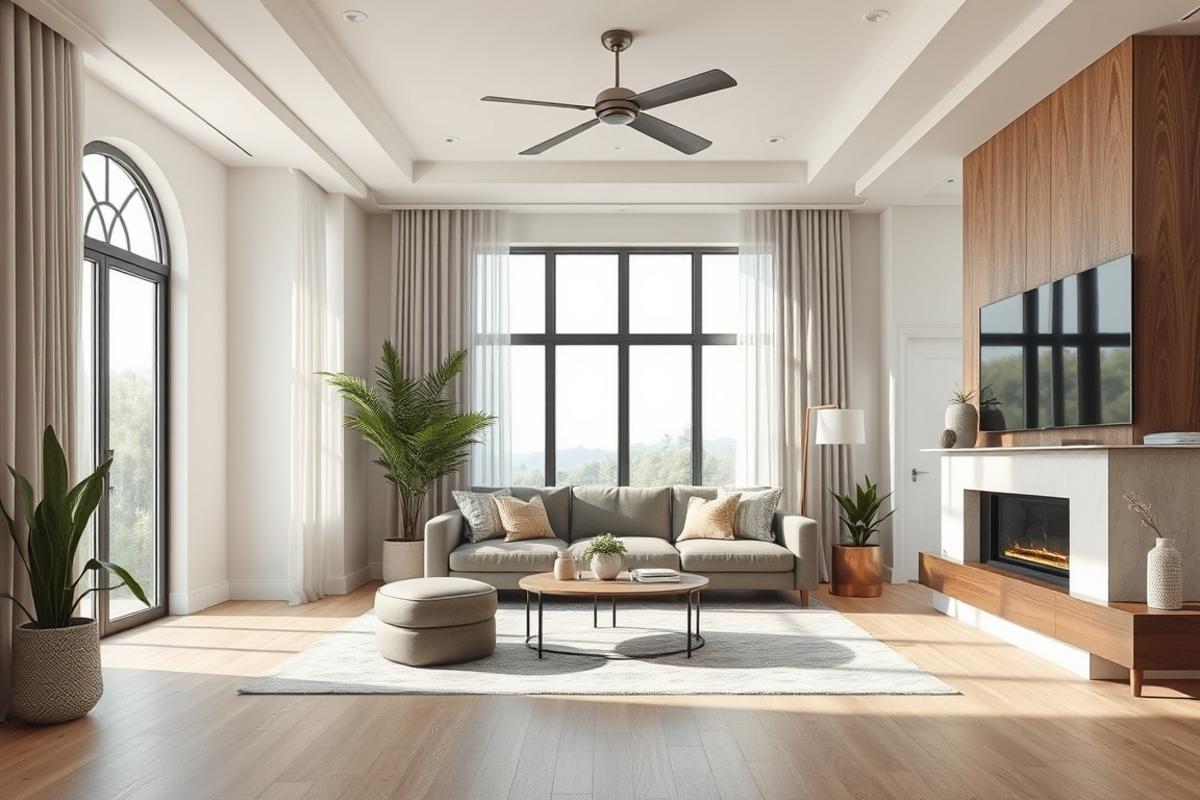
The biggest mistake people make is buying a sofa that’s too large for the room. It overwhelms the space and blocks natural traffic flow. Always measure twice, buy once. Use painter’s tape on the floor to visualize the footprint before you order.
Another common error is pushing the sofa against the wall. It might seem like it saves space, but it actually makes the room feel smaller. Floating the sofa creates a more intentional, designed look.
Mismatched scale is another pitfall. A large sofa with a tiny coffee table looks off-balance. Conversely, a small sofa drowning under an oversized area rug loses its visual impact. Keep proportions in mind at every step.
People also forget about the ceiling height. In rooms with high ceilings, a low-profile sustainable faux leather couch can make the space feel incomplete. Choose a sofa with a taller back to fill the vertical space more effectively.
Don’t skip the throw pillows either. A bare sofa looks unfinished. But don’t go overboard. Three to five pillows in varied sizes and complementary textures is the sweet spot for most sofa sizes.
Maintenance and Long Term Style Tips
Keeping your eco leather sofa looking great is easier than you might think. Most plant-based and faux leather materials wipe clean with a damp cloth. For everyday dust, a soft dry cloth works perfectly. Avoid harsh chemical cleaners — they can break down the surface coating over time.
Condition the material every three to six months. Use a product specifically designed for faux or vegan leather. This prevents cracking and keeps the surface supple. It also extends the life of the piece significantly.
Keep the sofa out of direct sunlight if possible. UV rays can fade and dry out even high-quality eco leather materials. Use UV-filtering window film or sheer curtains if your room gets intense afternoon sun.
Rotate your cushions regularly if they’re removable. This distributes wear evenly and keeps the sofa looking fresh. Fluff the back cushions weekly to maintain their shape.
For seasonal refreshes, simply swap your throw pillows and blanket. Change from cool linen in summer to chunky knit in fall and winter. It’s a low-cost way to completely transform the sofa’s look without spending much at all.
Shop the Look: Our Top Picks
As an Amazon Associate, ItsDecor earns from qualifying purchases.
Conclusion
Bringing an eco leather sofa into your home is one of the most impactful design decisions you can make. It blends ethical values with genuine style. And it works across virtually every interior aesthetic, from minimalist to maximalist. A sustainable faux leather couch isn’t a compromise — it’s an upgrade. You get durability, easy maintenance, and a beautiful piece that you can feel good about every single day. Now it’s your turn. Apply these tips to your space, and explore more interior design inspiration right here on ItsDecor.com.
FAQs
Is eco leather durable enough for everyday use?
Yes, absolutely. High-quality eco leather sofa materials made from cactus, apple, or pineapple fibers are designed to withstand daily use. They resist scratches better than traditional leather in many cases. Look for reinforced stitching and a dense foam core for maximum longevity.
How does faux leather compare to real leather in terms of feel?
Modern sustainable faux leather couch materials have come a very long way. Many people can’t tell the difference at first touch. The texture and surface finish are remarkably similar to genuine leather. Higher-end plant-based options even develop a subtle patina over time.
Can I use an eco leather sofa in a small apartment?
Definitely. Choose a compact two-seater or loveseat version. Keep the color light to maximize the sense of space. Avoid heavy, dark colors in tight rooms unless you balance them with plenty of mirrors and light sources.
What colors work best with an eco leather sofa?
Neutral tones like cream, taupe, and charcoal are the most flexible. They pair well with almost any wall color and rug. If you want more personality, deep green, rust, or navy are bold choices that still feel sophisticated and grounded.
How do I clean eco leather upholstery safely?
Use a soft damp cloth for regular wiping. For tougher stains, a mild soap solution works well. Always test any cleaner on a hidden area first. Avoid alcohol-based products, as they can dry out and damage the surface coating over time.