
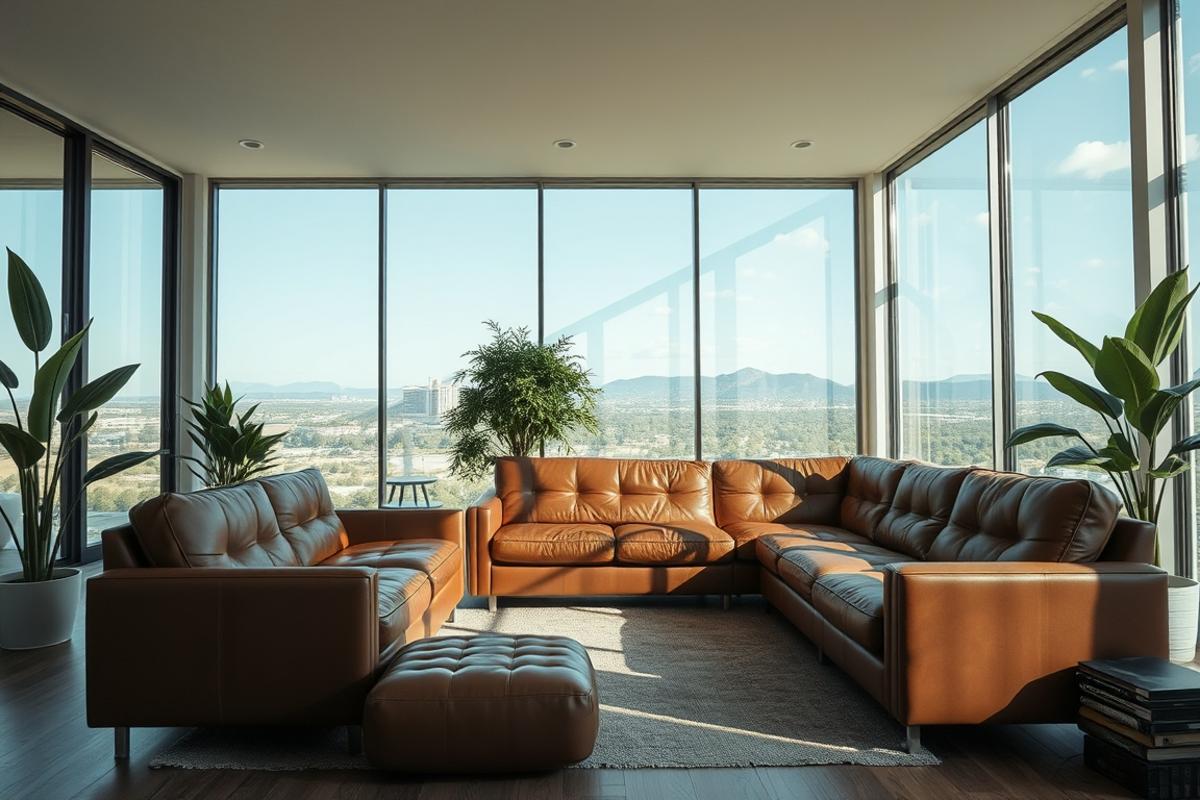
Your living room centerpiece says a lot about your values. What if your sofa could be both stunning and kind to the planet? More American homeowners are rethinking their furniture choices. They want style without the environmental cost. A sustainable leather sofa delivers exactly that. It combines durability, elegance, and responsible sourcing in one beautiful piece. And if you’re exploring eco-friendly leather couch options, you’re already ahead of the curve. This guide covers everything you need to style, maintain, and love your sofa for years to come.
Key Design Elements and Materials
The foundation of any great living room is the right furniture. A sustainable leather sofa works as the anchor. Everything else in the room should respond to it.
Start with material quality. Look for sofas made from full-grain or top-grain leather sourced through responsible tanneries. Vegetable-tanned leather is another excellent choice. It uses natural materials instead of harsh chemicals. And plant-based leather alternatives like cactus or apple leather are rising fast in the US market.
Frame construction matters just as much. Solid hardwood frames last decades. Kiln-dried wood resists warping and moisture damage. For smaller apartments, look for softer silhouettes with thinner arms. They take up less visual space without sacrificing comfort.
Cushion fill is worth considering too. Natural latex and recycled foam are better choices for the environment. They also hold their shape longer than conventional foam. That means your sofa looks just as good five years from now as it does on day one.
For wall finishes, warm neutral tones work beautifully beside leather. Think warm white, greige, or soft terracotta. These shades highlight the natural texture of the leather. They also make the room feel grounded and intentional.
Color Palette and Lighting Strategy
Color is everything in a leather-focused living room. The right palette makes your sofa pop. The wrong one makes it disappear.
Classic caramel, cognac, and deep walnut tones are timeless leather shades. They pair naturally with earthy greens, rust, and off-white. If your sofa is a cooler tone like slate gray or charcoal, balance it with warm wood accents and soft creamy textiles.
Natural lighting transforms a leather sofa completely. In the morning, sunlight reveals every beautiful grain and tone in the leather. Position your sofa near a window if possible. But keep it away from direct harsh afternoon sunlight. Prolonged UV exposure can dry out and fade real leather over time.
For artificial lighting, layered light is key. Use a combination of overhead, floor, and table lamps. Warm-toned bulbs around 2700K to 3000K bring out the richness of sustainable leather tones. Avoid cool fluorescent lighting. It flattens the texture and makes the room feel clinical.
In apartments, maximizing light is especially important. Use mirrors to bounce natural light around. Light-colored curtains help too. In larger homes, a statement floor lamp beside the sofa creates a cozy reading corner that feels designed and intentional.
Step by Step Interior Design Tips

Ready to style your space? Follow these steps for a polished, put-together result.
Start with your sofa placement first. Most living rooms work best with the sofa floating slightly away from the wall. Leave about six to twelve inches of breathing room. It makes the room feel more intentional and less like a waiting area.
Next, define your seating zone with a rug. Choose a rug large enough so that at least the front legs of your sofa sit on it. Natural fiber rugs like jute, sisal, or wool are perfect companions for a sustainable leather sofa. They echo the organic, earthy feel of the material.
Add a coffee table at the right height. It should sit roughly the same height as your sofa cushions or slightly lower. A live-edge wood or stone table pairs beautifully with leather. Leave about 18 inches between the table and the sofa for comfortable movement.
Layer your textiles thoughtfully. Throw pillows in linen, cotton, or boucle soften the look of leather. Stick to two to three complementary colors. A chunky knit throw draped over one arm adds warmth and texture. These details make the sofa look styled without feeling overdone.
Finally, think about your vertical space. A piece of art or a gallery wall above the sofa ties the room together. Keep the bottom of the art about 8 to 10 inches above the sofa back. This proportion feels balanced and polished.
If you’re weighing eco-friendly leather couch options, these styling steps apply across all material types. The placement and proportion principles work universally.
Style Variations and Decor Ideas
One of the best things about a sustainable leather sofa is how adaptable it is. You can dress it up or keep it casual. It works in almost any interior style.
For a modern minimalist look, pair a low-profile charcoal leather sofa with a monochrome palette. Use clean lines throughout. Choose furniture with hidden legs and minimal ornamentation. Less truly is more in this approach.
Going for a Scandinavian vibe? Opt for a light tan or cream leather sofa. Add pale wood furniture, simple geometric rugs, and plenty of greenery. The contrast between the organic leather and clean Scandi design is effortlessly beautiful.
Lovers of the mid-century modern style will find leather a natural fit. A cognac tufted leather sofa with walnut legs is iconic. Pair it with a sunburst mirror and abstract art for full effect.
For a cozy, rustic farmhouse look, try a worn-looking distressed leather sofa in brown or tobacco. Layer it with plaid throws and chunky pillows. Add a barn wood coffee table and woven baskets. The result feels warm and lived-in without trying too hard.
In smaller rooms or studio apartments, a loveseat version of an eco-conscious leather couch keeps things proportionate. Scale always matters. A sofa that’s too large overwhelms a small room and makes it feel crowded.
Common Decorating Mistakes to Avoid
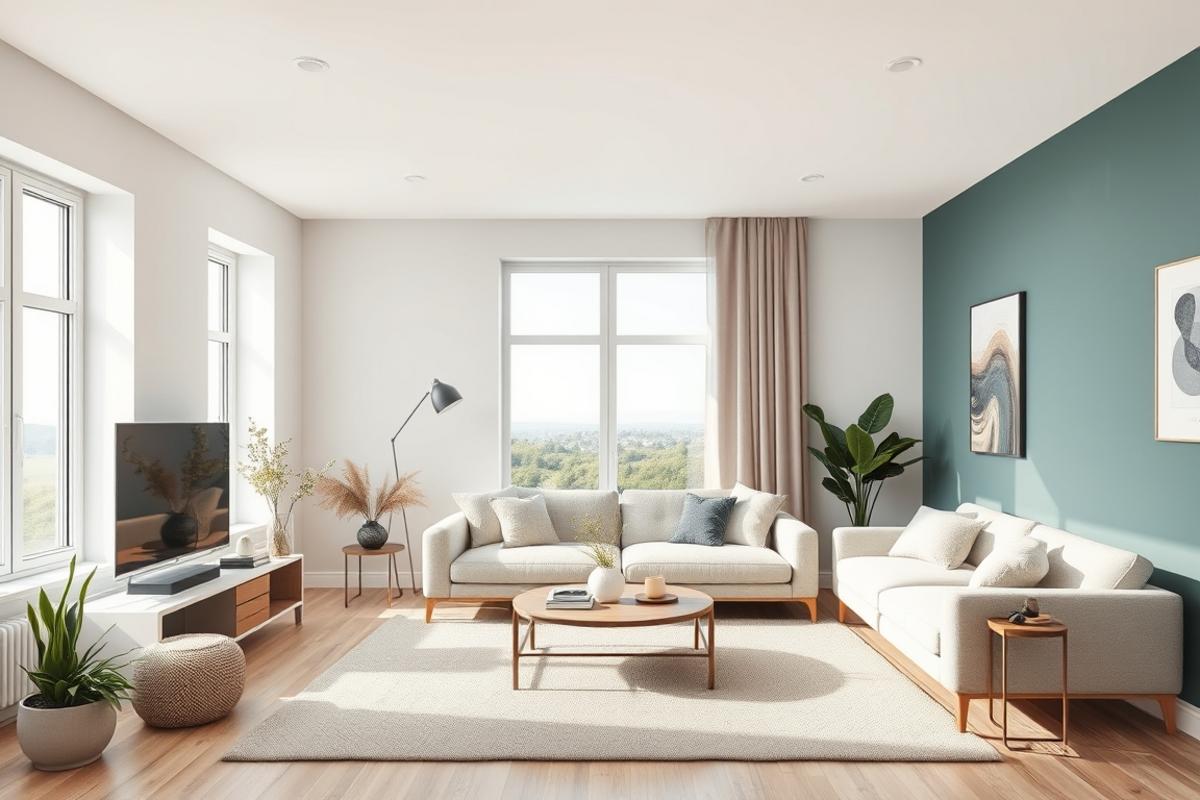
Even the most beautiful sofa can get lost in a poorly styled room. Here are the mistakes people make most often, and how to avoid them.
Pushing the sofa flat against the wall is mistake number one. It cuts off the room’s flow and makes the space feel smaller. Float your furniture instead. It instantly creates a more designer-looking result.
Choosing the wrong rug size is another common error. A rug that’s too small makes the room look pieced together and awkward. Always size up. When in doubt, go bigger.
Ignoring pillow scale is subtle but noticeable. Tiny throw pillows on a large sofa look out of place. Use 20×20 inch or 22×22 inch pillow inserts for a full, luxurious look.
Mixing too many leather finishes can confuse the eye. If your sofa is matte leather, keep other leather accents consistent. Don’t mix matte with high-gloss in the same room unless you’re intentional about it.
Neglecting maintenance is the biggest long-term mistake. People invest in a beautiful sustainable leather sofa and then forget to care for it. Set a simple routine. Consistent care protects your investment.
Maintenance and Long-Term Style Tips
A well-maintained leather sofa can last 20 to 30 years. That’s the real sustainability advantage. It doesn’t end up in a landfill after a few seasons.
Dust and wipe your sofa weekly with a dry or slightly damp microfiber cloth. This prevents buildup that can dull the surface over time. Avoid harsh chemical cleaners. They strip the natural oils from real leather.
Condition your leather every three to six months. Use a plant-based or non-toxic leather conditioner. It keeps the material supple and prevents cracking. This step is especially important in dry climates.
Seasonal refreshes keep your living room feeling current. Swap out your throw pillows and blankets with the seasons. Go lighter and brighter in spring and summer. Add heavier textures in fall and winter. This simple trick makes your room feel intentional year round.
If you want to update the room’s look without replacing the sofa, change your rug or artwork. These are the two biggest visual anchors after the sofa itself. A new rug can completely transform the room for a fraction of the cost.
Budget-friendly updates matter too. Rearrange your accessories. Add a new plant. Change out your lamp shade. Small shifts add up to a noticeably refreshed space without major spending.
Shop the Look: Our Top Picks
As an Amazon Associate, ItsDecor earns from qualifying purchases.
Conclusion
Investing in a sustainable leather sofa is one of the smartest decor decisions you can make. It’s beautiful, it’s durable, and it aligns with a more conscious way of living. When you explore eco-friendly leather couch options, you’ll find there’s no shortage of styles to fit every home and budget.
Apply the tips in this guide one step at a time. Start with placement and proportion. Layer in your textiles and lighting. Refresh seasonally. And don’t forget to condition your sofa regularly.
Your living room deserves furniture that lasts and looks great doing it. Explore more home decor inspiration and related articles right here on ItsDecor.com. There’s plenty more to discover.
FAQs
What makes a leather sofa sustainable?
A sustainable leather sofa is made using responsible sourcing practices. This includes vegetable tanning, recycled or plant-based leather materials, and ethical manufacturing. Some options use leather certified by environmental standards organizations. Others use bio-based alternatives like cactus or apple leather that have a much lower environmental impact than conventional animal leather.
How long does a sustainable leather sofa last?
With proper care, a high-quality leather sofa can last 20 to 30 years. That longevity is actually one of its most eco-friendly qualities. It means fewer replacements and less furniture waste over time. Regular conditioning and gentle cleaning are the two biggest factors in extending its life.
Are plant-based leather sofas as durable as real leather?
Plant-based leather has improved dramatically in recent years. Many options are highly durable and resistant to scratching and peeling. They may require slightly different care routines than traditional leather. But for everyday family use, modern bio-based materials perform very well and continue to improve with new technology.
What colors work best with a leather sofa in a small apartment?
For small apartments, lighter leather tones like cream, tan, and warm beige open up the space visually. Pair them with soft neutral walls and light wood floors. If you prefer darker leather, balance it with lighter textiles and plenty of reflected light from mirrors and lamps. The key is contrast and balance.
How do I style a leather sofa for a modern eco-conscious home?
Start with natural fiber rugs and organic cotton or linen throw pillows. Add indoor plants for a biophilic touch. Choose wood or stone accent tables over plastic or synthetic materials. Keep the color palette earthy and grounded. This approach honors the ethos behind eco-friendly leather couch options and creates a cohesive, mindful living space.