
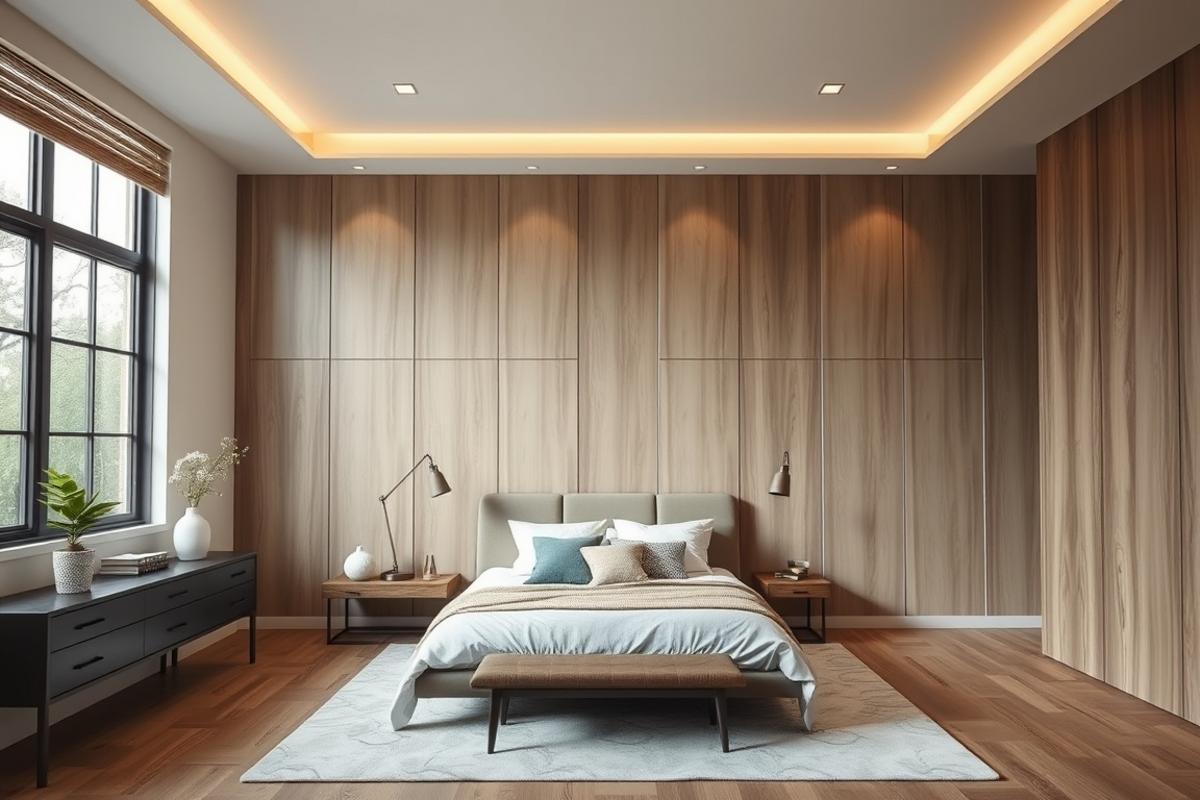
Does your bedroom feel a little uninspired? You’re not alone. Many homeowners crave a touch of elegance and depth in their private sanctuary. Adding architectural detail can transform any room, creating a custom, high-end look without a complete overhaul. This guide will explore beautiful bedroom wall paneling ideas to elevate your space. We’ll also dive into sophisticated decorative wainscoting designs that add charm and character. Get ready to turn your bedroom into a stylish retreat.
Key Design Elements and Materials
Wall paneling brings texture and dimension to a bedroom. It moves beyond just paint or wallpaper. Consider various materials and finishes to achieve your desired aesthetic. Each choice impacts the room’s overall feel and visual appeal.
Solid wood paneling offers classic warmth and durability. Options like oak, walnut, or maple provide a rich, natural look. They can be stained or painted to match any decor. Wood paneling creates a luxurious and cozy atmosphere, perfect for a primary bedroom.
MDF (medium-density fiberboard) is a budget-friendly alternative. It’s versatile and takes paint beautifully. MDF can mimic the look of traditional wood paneling or be crafted into intricate patterns. It’s a great choice for achieving expensive looks on a smaller budget.
Reclaimed wood adds rustic charm and a sustainable touch. It brings a unique history and character to your walls. This material works well in farmhouse, industrial, or bohemian bedroom designs. Each piece tells its own story.
For a more modern feel, consider sleek, minimalist panels. These can be made from lacquered wood, high-gloss MDF, or even metal. They offer clean lines and a contemporary edge. These materials are perfect for creating a sophisticated urban bedroom.
Texture also plays a huge role. Fluted panels add subtle visual interest. Shiplap creates a relaxed, coastal vibe. Even fabric panels can soften a space. Think about how the texture interacts with light and shadow in your room.
Color Palette and Lighting Strategy
The right color palette and lighting can transform a paneled bedroom. They work together to set the mood and enhance the architectural details. Color choices directly impact the perceived size and brightness of a room.
Light colors, like soft whites or pale grays, make a bedroom feel more expansive. They reflect natural light, creating an airy and open atmosphere. These hues are perfect for smaller apartments or condos. They keep the space feeling fresh.
Darker colors, such as deep blues or charcoal grays, create a dramatic and intimate mood. They can make a large room feel cozier and more luxurious. Pair these with accent lighting to highlight the paneling. This adds depth and sophistication.
Natural light is invaluable in any bedroom. Position your bed and furniture to maximize sunlight exposure. Sheer curtains can filter harsh light while maintaining brightness. This helps avoid a cave-like feeling, even with darker panels.
Artificial lighting should be layered for flexibility. Ambient lighting, like recessed lights or a ceiling fixture, provides overall illumination. Task lighting, such as bedside lamps, is essential for reading. Accent lighting, like wall sconces or LED strips behind panels, highlights the architectural features. It adds a touch of drama.
Consider dimmers for all artificial lights. This allows you to adjust the brightness to suit your mood. A warm light temperature (around 2700K) is generally best for bedrooms. It promotes relaxation and a comfortable ambiance.
Step by Step Interior Design Tips
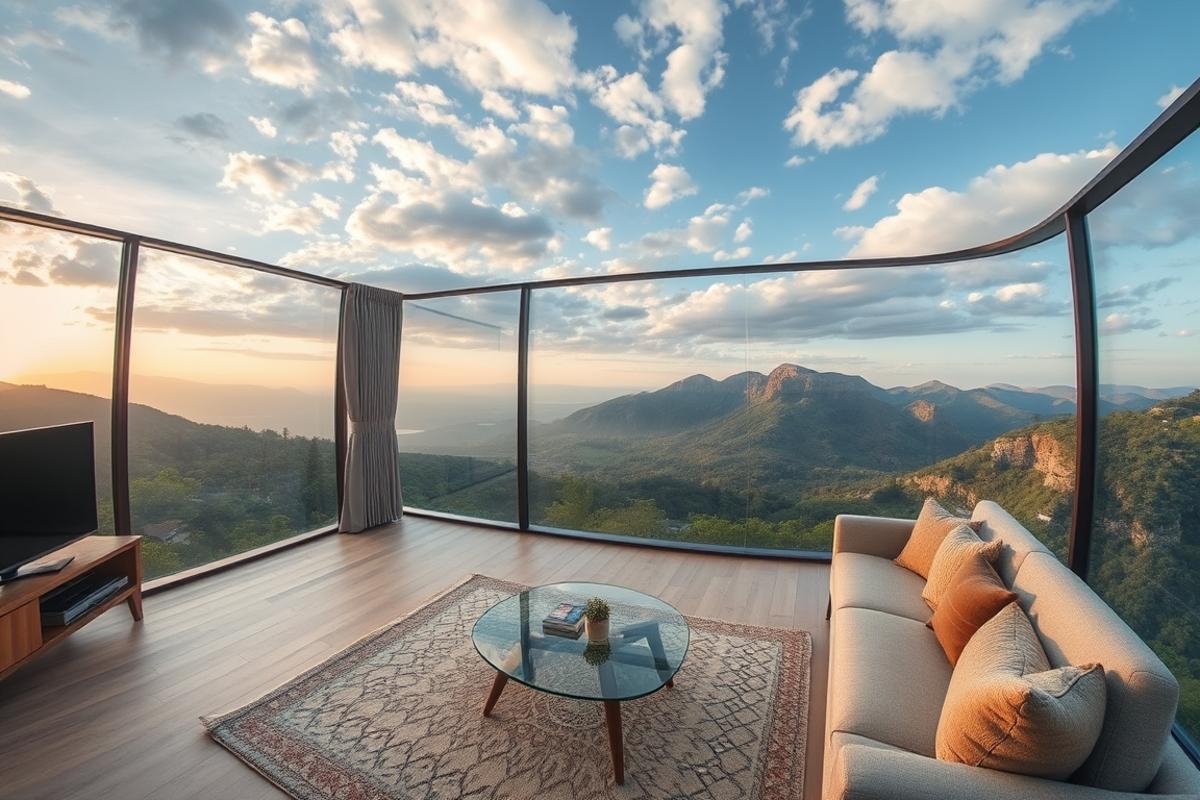
Designing a paneled bedroom involves careful planning and execution. Start by visualizing the end result. Think about the overall style you want to achieve. Gather inspiration from magazines or online platforms.
First, decide on the type of bedroom wall paneling ideas you prefer. Will it be a full-height wall, a half-wall, or an accent behind the bed? Full-height paneling creates a dramatic, cohesive look. Half-wall designs, like decorative wainscoting designs, offer a classic touch. They allow for different wall treatments above.
Next, choose your materials and finish. Consider your budget and desired aesthetic. Measure your walls precisely. Accurate measurements prevent waste and ensure a seamless installation.
For installation, prepare your walls thoroughly. Clean them and make any necessary repairs. If you’re a DIY enthusiast, ensure you have the right tools. Otherwise, hire a professional for a flawless finish.
Once the paneling is up, consider the furniture placement. Position your bed as the focal point. Ensure it aligns well with the paneled wall. Leave enough space for bedside tables and movement around the room.
Add textiles for softness and comfort. A plush rug underfoot adds warmth and defines the sleeping area. Layer bedding with varying textures and patterns. Decorative pillows and throws enhance the cozy feel.
Finally, integrate decorative accents. Artwork, mirrors, and plants can complete the look. Choose pieces that complement the paneling style. This creates a cohesive and inviting bedroom design.
Style Variations and Decor Ideas
Wall paneling is incredibly versatile. It adapts to almost any design aesthetic. You can tailor your chosen style to fit your personal taste and lifestyle.
For a modern and minimalist bedroom, opt for sleek, flush panels. Choose a neutral color palette like white, gray, or black. Keep decor sparse and intentional. Focus on clean lines and functional furniture.
If you love luxury, consider upholstered fabric panels. Velvet or linen adds a soft, opulent touch. Incorporate metallic accents and rich textures. A deep jewel-toned color palette enhances the luxurious feel.
Cozy and rustic bedrooms benefit from shiplap or beadboard paneling. Natural wood finishes or soft, muted colors work best. Layer with chunky knits, faux fur, and warm lighting. This creates an inviting, cabin-like atmosphere.
Scandinavian style embraces simplicity and natural light. Use light-colored wood panels or white-painted shiplap. Pair with minimalist furniture and simple, functional decor. Focus on natural materials and a serene ambiance.
Even small apartments can benefit from paneling. Use it on an accent wall behind the bed. This creates a focal point without overwhelming the space. Choose a light color to maintain an airy feel.
For larger homes, paneling can define different zones. Use it to create a reading nook or a dedicated seating area. This adds architectural interest and purpose to expansive walls. Experiment with different paneling heights and styles.
Common Decorating Mistakes to Avoid
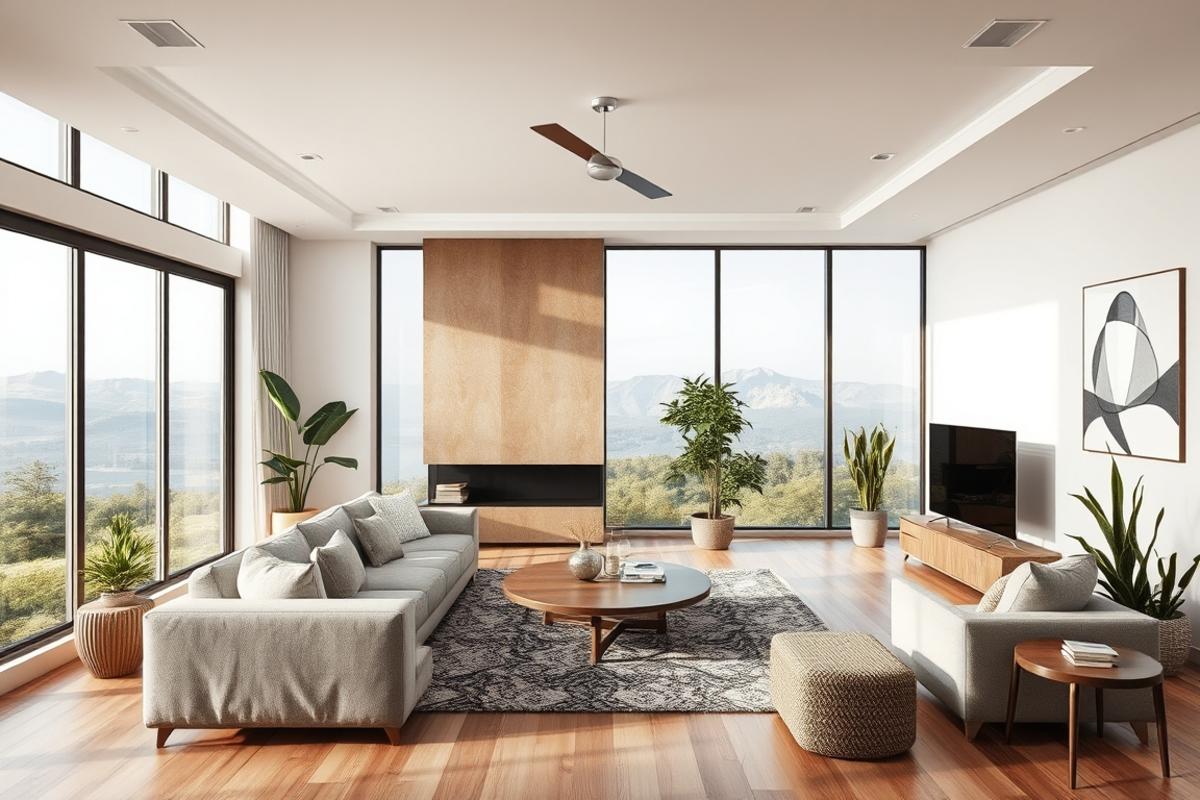
Even with the best intentions, decorating mistakes can happen. Avoiding these common pitfalls ensures your paneled bedroom looks its best. Careful planning can prevent costly errors.
One mistake is choosing the wrong scale of paneling for the room. Large, ornate panels can overwhelm a small bedroom. Conversely, tiny details might get lost in a spacious room. Always consider your room’s dimensions.
Another error is neglecting the importance of color. Painting panels the same color as the wall can sometimes make them disappear. This defeats the purpose of adding architectural interest. Use contrasting colors or subtle tonal variations for impact.
Poor lighting strategy is also a common issue. Dark paneling without adequate lighting can make a room feel gloomy. Ensure you have a balanced mix of ambient, task, and accent lighting. Highlight the paneling, don’t hide it.
Overcrowding the room with furniture is another trap. Paneled walls are a design feature themselves. Too many pieces of furniture or decor can make the room feel cluttered. Keep the decor simple and allow the paneling to shine.
Ignoring the overall style of your home is also a mistake. While you can mix styles, ensure the paneling complements your existing decor. A traditional wainscoting might clash in a very modern home, for example. Strive for harmony.
Finally, don’t forget about maintenance. Choosing materials that are difficult to clean or update can be a hassle. Select finishes that are practical for your lifestyle. Consider how the paneling will age over time.
Maintenance and Long Term Style Tips
Keeping your paneled bedroom looking fresh and stylish requires a little effort. With proper care, your design choice will endure for years. It’s about smart upkeep and thoughtful updates.
For painted wood or MDF panels, regular dusting is key. Use a soft cloth or a duster attachment on your vacuum. For deeper cleaning, a damp cloth with mild soap can tackle smudges. Always test cleaners in an inconspicuous spot first.
Solid wood panels may benefit from occasional wood polish or oil. This helps maintain their luster and protect the finish. Follow the manufacturer’s recommendations for specific wood types. Avoid abrasive cleaners that can scratch the surface.
To keep the style current, consider seasonal refreshes. Swap out throw pillows and blankets. Change artwork or decorative accessories. These small updates can give your room a whole new look.
Don’t be afraid to repaint your panels after several years. A fresh coat of paint can dramatically alter the room’s mood. It’s a budget-friendly way to update your bedroom decor without extensive renovations.
Think about the longevity of your choices. Classic paneling styles, like simple Shaker or beadboard, tend to be timeless. Trendy patterns might fade faster. Choose styles you truly love and can live with for a long time.
Investing in quality materials upfront can save you money and headaches later. Durable wood or well-constructed MDF will hold up better. This reduces the need for frequent repairs or replacements. Enjoy your beautiful, well-maintained bedroom.
Conclusion
Transforming your bedroom with paneling is an investment in comfort and style. From classic wood designs to modern interpretations, bedroom wall paneling ideas offer endless possibilities. They add depth, character, and a touch of sophistication. By carefully considering materials, colors, and lighting, you can create a truly personalized sanctuary. The right decorative wainscoting designs can elevate your space from ordinary to extraordinary. We hope these tips inspire you to embrace architectural details. Go ahead, make your bedroom dreams a reality! Explore more inspiring decor ideas on ItsDecor.com.
FAQs
What type of paneling is best for a small bedroom?
For a small bedroom, choose light-colored paneling. Shiplap or beadboard painted white can make the room feel larger. Also consider using paneling on only one accent wall. This adds interest without overwhelming the space.
Can I install wall paneling myself?
Many types of wall paneling are suitable for DIY installation. Materials like shiplap or simple board-and-batten are relatively easy. Always follow manufacturer instructions. If you’re unsure, hiring a professional ensures a perfect finish.
How do I clean paneled walls?
Regular dusting with a soft cloth is usually sufficient. For painted panels, a damp cloth with mild soap can remove marks. For solid wood, use a wood cleaner or polish specific to the wood type. Avoid harsh chemicals.
What’s the difference between wainscoting and full-height paneling?
Wainscoting typically covers the lower third or half of a wall. It creates a distinct visual division. Full-height paneling covers the entire wall from floor to ceiling. Both add architectural detail but create different aesthetic impacts.
How can I make my paneled bedroom feel modern?
Opt for sleek, flush panels in a neutral color like white or charcoal. Choose simple, clean-lined furniture. Integrate minimalist decor and thoughtful lighting. Avoid ornate details for a truly contemporary feel.