
“`html
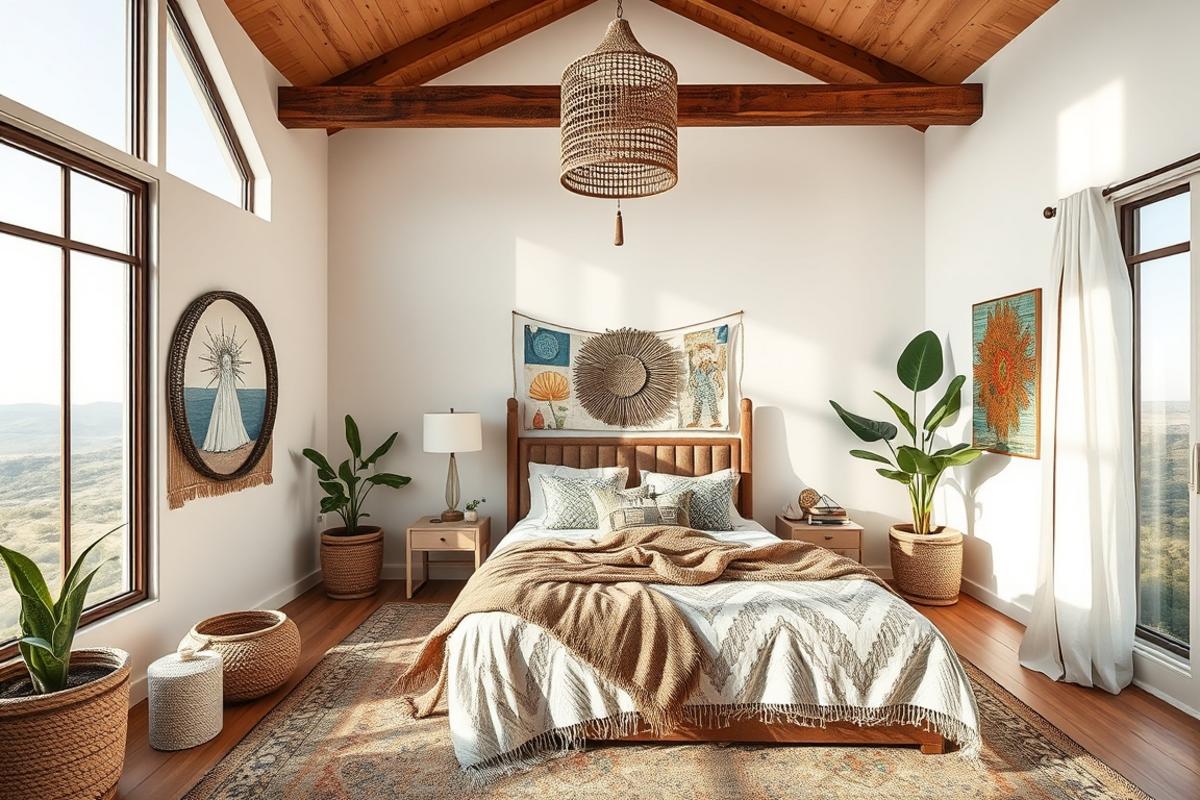
What if your bedroom could feel like a peaceful retreat every single day? That’s exactly the promise of boho bedroom inspiration. This style has taken American homes by storm, and it’s easy to see why. It blends warmth, personality, and creative freedom in a way few other design styles can. Whether you live in a cozy apartment in Chicago or a sprawling house in Austin, boho chic decor gives you the tools to build a bedroom that truly feels like yours.
Boho style isn’t just about throwing some macramé on the wall. It’s a thoughtful layering of textures, colors, and meaningful pieces. And the best part? It works on almost any budget. You don’t need to spend a fortune to create something beautiful and deeply personal.
In this guide, we’ll walk you through everything. From color palettes to furniture choices, common mistakes to long-term style tips, you’ll leave with a clear plan. Let’s dive in.
Key Design Elements and Materials
Boho design is built on layering. The more thoughtful the layers, the richer the room feels. But it never looks cluttered when done right. That’s the magic of this style.
Start with natural materials. Rattan, jute, linen, cotton, and reclaimed wood are the foundation of any boho bedroom. These materials bring organic warmth that synthetic alternatives simply can’t replicate. A rattan headboard, for example, instantly transforms the mood of a plain room.
Textiles are your best friend in boho design. Think woven throw blankets, embroidered pillow covers, and layered area rugs. Don’t be afraid to mix patterns. Tribal prints, paisley, and floral motifs work beautifully together when they share a similar color family. For smaller rooms or tighter budgets, focus on two or three high-impact textiles instead of buying everything at once.
Wall treatments also matter. Exposed brick, limewash paint, and shiplap all suit the boho aesthetic. But if those aren’t options in your rental, textured wallpaper or a gallery wall of botanical prints works just as well. It’s about creating visual depth without major renovations.
Plants are non-negotiable. Trailing pothos, fiddle leaf figs, and dried pampas grass all bring life to boho spaces. They’re affordable, air-purifying, and incredibly photogenic. Even one large plant in the corner of a bedroom changes the energy of the room completely.
Color Palette and Lighting Strategy
Boho bedrooms thrive on earthy, grounded tones. Think terracotta, warm sand, deep ochre, dusty mauve, and sage green. These colors are calming and deeply connected to nature. They make a space feel like a sanctuary, not just a room.
You don’t have to paint every wall a deep terracotta. Start with a neutral base, like warm white or greige. Then layer in color through bedding, cushions, curtains, and art. This approach works especially well in apartments where landlords restrict paint choices.
Lighting is where the mood really shifts. Natural light is your first priority. Use sheer linen curtains to let sunlight filter in softly. Avoid harsh, cold-toned blinds that block warmth from entering the room. If you’re in a north-facing apartment with limited sunlight, warm-toned bulbs (around 2700K) make a massive difference.
Layer your artificial lighting. A statement rattan pendant light, a bedside lamp with a warm amber bulb, and a few candles or LED fairy lights all work together. Avoid relying on a single overhead fixture. Multiple light sources at varying heights create that cozy, inviting glow that boho bedrooms are known for.
For larger homes with high ceilings, a dramatic hanging wicker lamp becomes a true focal point. In a smaller bedroom or studio apartment, wall sconces save floor and table space while still delivering that warm, layered effect.
Step by Step Interior Design Tips
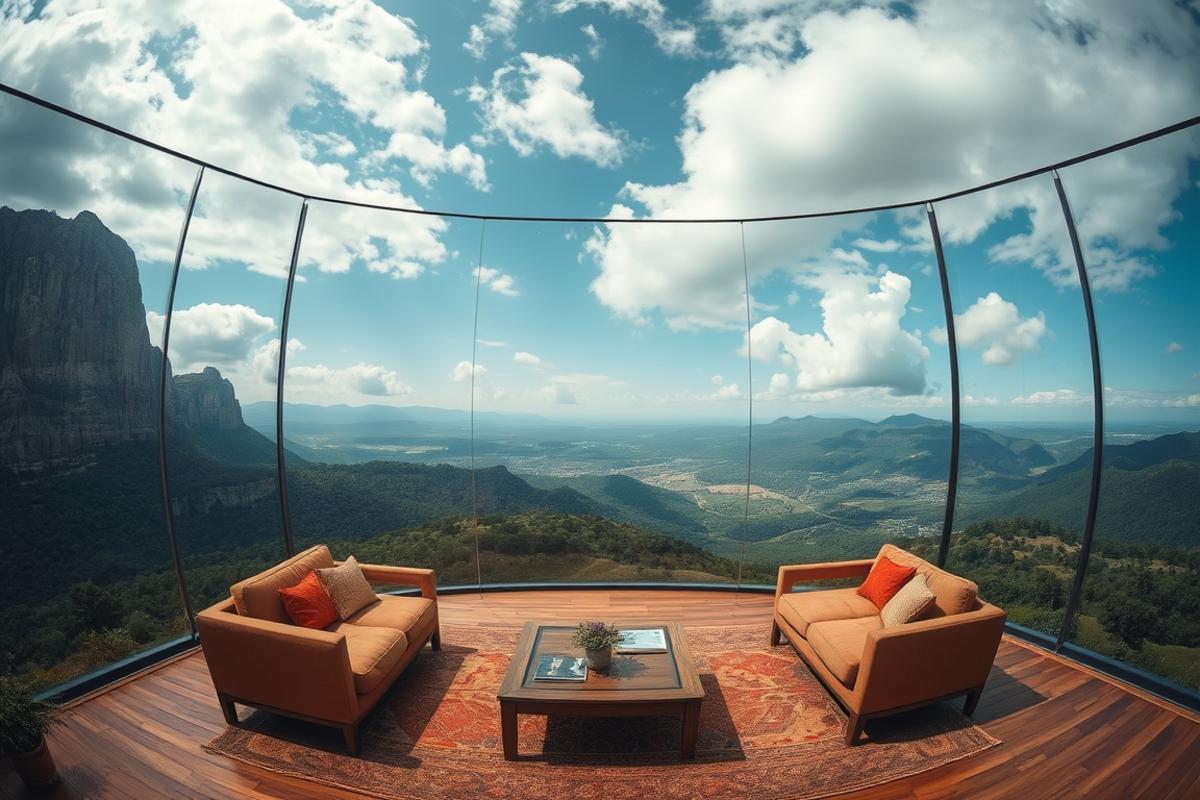
Ready to start styling? Follow these steps and you’ll build a cohesive, beautiful boho bedroom without feeling overwhelmed.
Step 1: Start with the bed. The bed is the anchor of any bedroom. Choose a low platform frame or a rattan headboard. Layer your bedding with a neutral duvet as the base. Then add a woven blanket and at least four textured throw pillows in complementary patterns. This instantly communicates the boho bedroom inspiration aesthetic.
Step 2: Define your floor space. Place a large area rug under or around the bed. It should extend at least 18 inches beyond both sides. Layering two rugs, one jute and one printed cotton, adds depth. Make sure there’s clear walking space on all sides of the bed.
Step 3: Add vertical interest. Hang a macramé wall hanging, a gallery of art prints, or a collection of woven baskets above the bed or on a feature wall. Vertical elements draw the eye upward and make ceilings feel taller.
Step 4: Bring in furniture intentionally. A vintage wooden dresser, a rattan nightstand, and a small pouf or floor cushion are all you need. Don’t overcrowd the room. Leave breathing room between pieces. Less is more when your textiles and decor are doing the heavy lifting.
Step 5: Incorporate boho bedroom inspiration through accessories. Dream catchers, ceramic vases, stacked books, vintage mirrors, and trailing plants finish the look. And if you love boho chic decor, don’t skip the candles. A cluster of pillar candles on a wooden tray adds instant ambiance.
Style Variations and Decor Ideas
One of the best things about boho design is its flexibility. It adapts beautifully to different lifestyles and room sizes. You can push it in several directions depending on your personal taste.
Modern Boho: Keep the palette cleaner. Use white walls, sleek black rattan accents, and minimal clutter. This version suits those who love the boho warmth but prefer a more edited, contemporary feel.
Maximalist Boho: Layer everything. More patterns, more plants, more art. This version feels lush and adventurous. It’s perfect for large master bedrooms with plenty of wall space and floor area to work with.
Scandinavian Boho (Scandi-Boho): Combine the simplicity of Scandinavian design with boho textures. Think neutral linens, light wood tones, and just one or two statement boho pieces. This works incredibly well in smaller apartments or condos.
Luxury Boho: Elevate the materials. Use silk or velvet throw pillows, handwoven Moroccan rugs, and artisan ceramics. The style stays organic and layered, but the quality of each piece moves it into a more refined, high-end space.
Cozy Cottage Boho: Lean into florals, vintage finds, and soft, faded tones. This version feels nostalgic and incredibly livable. It suits bedrooms in older homes or cottages with character-filled architecture.
Common Decorating Mistakes to Avoid
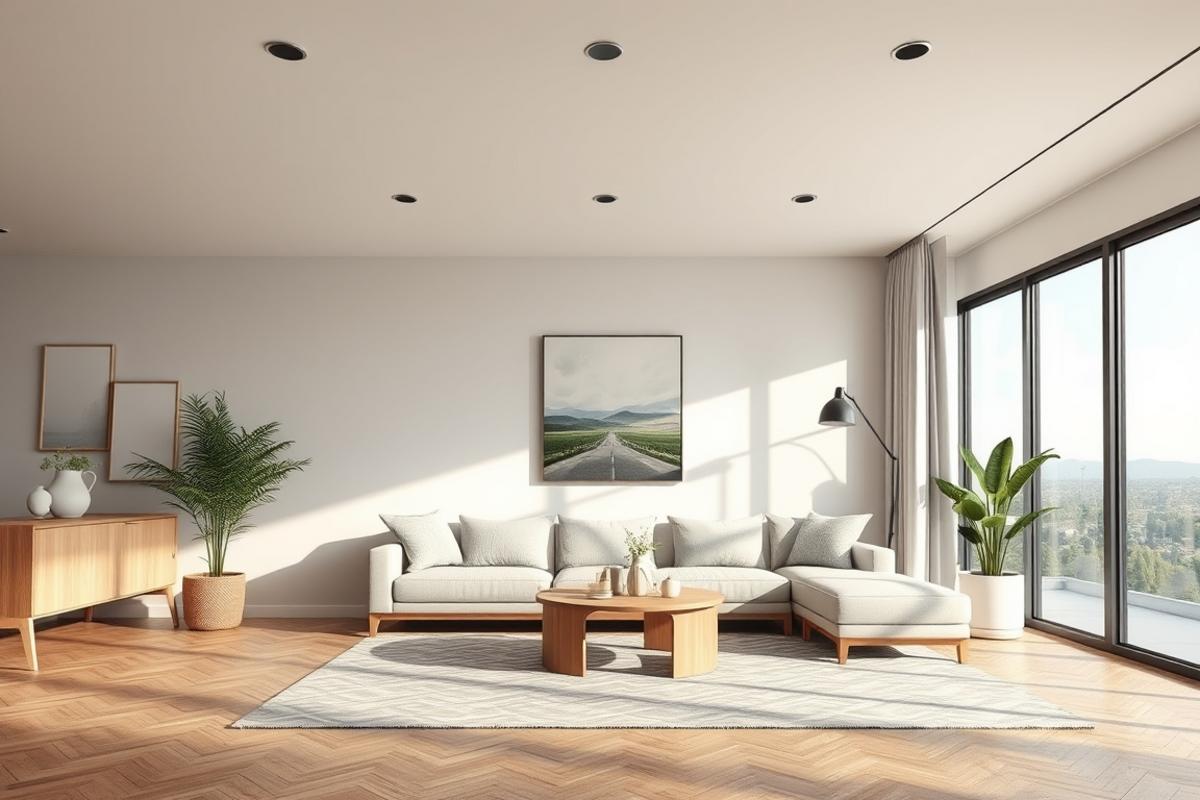
Even the best design intentions can go sideways. Here are the most common boho bedroom mistakes and how to fix them.
Mistake 1: Buying everything at once. Boho spaces should feel collected over time, not assembled in a single afternoon. Rushing the process leads to a room that looks like a themed store display. Buy pieces gradually and let the room evolve naturally.
Mistake 2: Clashing patterns with no color anchor. Mixing patterns is encouraged, but they need a shared color thread to feel cohesive. If every pattern uses wildly different tones, the room will feel chaotic. Pick two or three anchor colors and stick to them throughout.
Mistake 3: Ignoring scale. A tiny macramé above a king-sized bed looks lost. A massive pendant light in a small room feels overwhelming. Always consider scale when selecting pieces. Proportion matters as much as style.
Mistake 4: Skipping the rug. Bare floors undercut the warmth that boho design promises. A rug grounds the bed and softens the entire room. Even a simple jute rug makes a dramatic improvement.
Mistake 5: Neglecting lighting variety. A single overhead light is never enough. Without layered lighting, even a beautifully decorated boho bedroom will feel flat and uninviting. Invest in at least two or three light sources at different heights.
Maintenance and Long Term Style Tips
A boho bedroom is a living, breathing space. Keeping it looking great over time requires a little intention, but it’s far from complicated.
Rotate your textiles seasonally. Swap out heavier woven blankets in summer for lighter cotton throws. Change your pillow covers when you feel like a refresh. This keeps the room feeling current without requiring a complete redesign.
Natural materials need occasional care. Rattan and wicker benefit from a light dusting and an occasional wipe-down with a damp cloth. Jute rugs should be vacuumed regularly on both sides to prevent fiber damage. These small habits extend the life of your investment pieces significantly.
Plants need consistent attention, too. Dead or wilting plants immediately undercut the fresh energy of a boho space. If you’re not a confident plant parent, stick to low-maintenance varieties like pothos, snake plants, or dried botanicals that require zero watering.
Update your gallery wall every year or two. Swap in new prints, rearrange frames, or add a new piece of artwork you’ve collected during travels. This keeps the space personally meaningful and visually interesting without a major overhaul.
Budget-friendly seasonal refreshes are simple. A new set of pillow covers, a fresh vase, or a new candle scent can completely shift the feel of the room. You don’t need to redecorate from scratch to keep a boho bedroom feeling alive and inspiring.
Conclusion
A beautiful, soul-warming bedroom is absolutely within your reach. Whether you’re starting from scratch or refreshing an existing space, the principles of boho bedroom inspiration give you a flexible, forgiving, and endlessly personal framework to work with. Layer your textures, warm up your lighting, choose earthy tones, and let your personality show through every piece you choose.
The beauty of boho chic decor is that there are no rigid rules. It’s a style that grows with you and evolves over time. Start small if you need to. Even one woven throw, one rattan piece, and one trailing plant can begin to shift the energy of your bedroom in a meaningful way.
So take these tips, make them your own, and enjoy the process of creating a space that truly feels like home. And when you’re ready to explore more ideas, browse our related articles on color theory, sustainable decor, and small bedroom design right here on ItsDecor.com.
FAQs
What is the difference between boho and bohemian bedroom style?
They’re essentially the same thing. “Boho” is simply the shortened, more casual term for bohemian style. Both refer to a free-spirited, layered design aesthetic that draws on global influences, natural materials, and eclectic personal expression. The terms are used interchangeably in interior design.
How do I start a boho bedroom on a tight budget?
Start with what you already have and add thoughtfully. A woven throw blanket, a jute rug, and a few potted plants can make an immediate difference. Thrift stores and online marketplaces are goldmines for rattan furniture, vintage textiles, and ceramic vases at a fraction of retail prices. You don’t need to buy everything at once.
What colors work best for a boho bedroom?
Earthy, warm tones work best. Terracotta, warm sand, ochre, sage green, dusty rose, and deep cream are all classic choices. These tones create a calm, grounded atmosphere that suits the boho aesthetic perfectly. You can use them as wall colors, bedding choices, or accent tones through accessories and textiles.
Can a small bedroom or studio apartment pull off a boho look?
Absolutely. In fact, boho design often shines in smaller spaces because the layered textiles and warm lighting make compact rooms feel incredibly cozy and inviting. Focus on a few high-impact pieces like a statement rug, layered bedding, and one strong wall element. Avoid overcrowding furniture and keep the floor plan open.
How many plants should I include in a boho bedroom?
There’s no strict rule, but two to five plants is a good range for most bedroom sizes. One large floor plant, like a fiddle leaf fig or monstera, makes a strong statement. Smaller trailing plants on shelves or nightstands add dimension without overwhelming the space. If you’re not confident with live plants, high-quality dried botanicals like pampas grass are a stylish, zero-maintenance alternative.
“`