
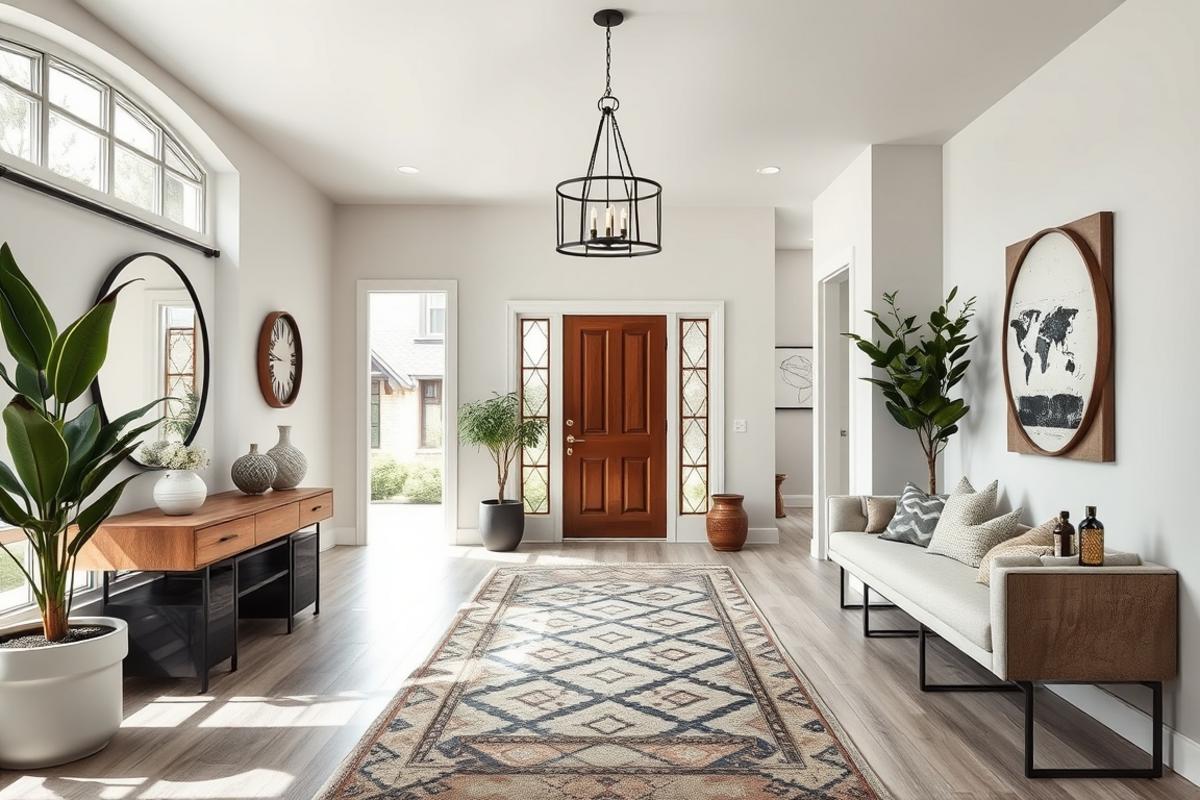
Your front door swings open — and what does your home say first?
That very first moment sets the tone for everything. A well-designed entryway tells guests you care about your space. It also sets the mood for everyone who lives there. If you’ve been searching for modern entryway decor ideas, you’re already thinking the right way. And if you love clean lines and intentional simplicity, minimalist entryway decor might be exactly what your home needs. Let’s walk through everything, from materials to lighting to styling mistakes you’ll want to skip.
Key Design Elements and Materials
The right materials make a huge difference in an entryway. This space takes more foot traffic than almost anywhere else in your home. So durability matters just as much as looks.
Start with flooring. Tile, natural stone, and hardwood are all strong choices. Tile is easy to clean and works well in smaller apartments. Hardwood feels warmer and suits larger homes with open layouts.
For furniture, a slim console table is a classic anchor piece. It gives you surface space without crowding the area. Add a small bench or upholstered stool if you need a spot to sit while putting on shoes.
Wall finishes set the backdrop for everything else. Shiplap adds texture on a budget. Board-and-batten paneling looks polished and modern. Wallpaper with a subtle geometric or botanical pattern can add personality without feeling busy.
Don’t overlook storage. Hooks, floating shelves, and small baskets keep the space functional. In a studio or condo, a wall-mounted storage unit can replace a full console table. Every inch counts in a compact entryway.
Color Palette and Lighting Strategy
Color is one of the most powerful tools in any entryway. It shapes how the space feels before anyone even notices the furniture. Light, neutral tones like warm white, soft greige, or pale sage make a small entryway feel larger and more welcoming.
But don’t be afraid of deeper tones either. Navy, charcoal, or deep forest green can look incredibly sophisticated in an entryway. These colors create a sense of arrival, like stepping into something intentional and curated.
Lighting deserves its own strategy. Natural light is ideal, but most entryways don’t have large windows. If yours does, lean into it. Use sheer curtains or frosted glass panels to soften the light without blocking it.
For artificial lighting, layered sources work best. A statement overhead fixture, like a drum pendant or a flush-mount chandelier, sets the tone visually. Add a table lamp on your console for warmer, softer light in the evenings.
In apartments, ceiling fixtures are often fixed. So focus on what you can control. A plug-in wall sconce or a stylish table lamp makes a surprising difference. Warm-toned bulbs around 2700K feel more inviting than cool white options.
Step by Step Interior Design Tips
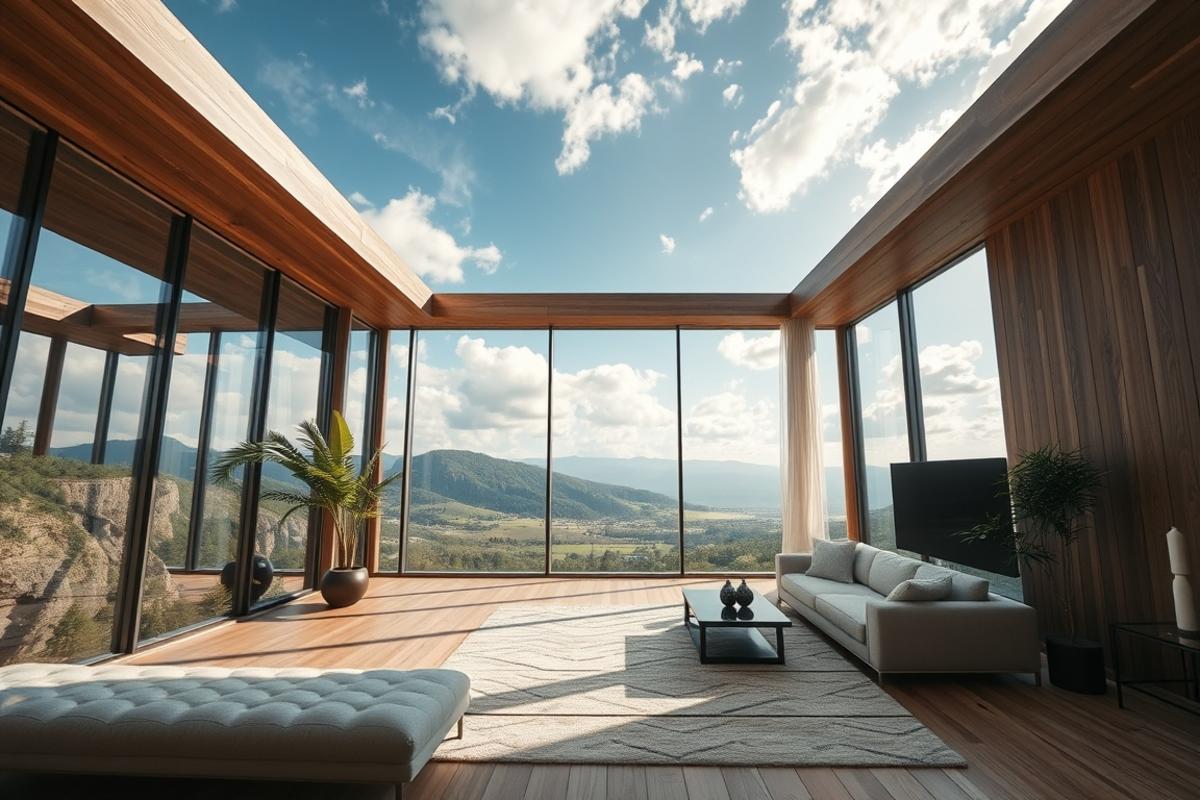
Ready to style your entryway from scratch? Follow these steps and you’ll have a space that looks intentional and pulled together.
Start by clearing everything out. Take a fresh look at the space with nothing in it. This helps you see the actual dimensions and understand what you’re working with.
Next, measure the area carefully. Know your ceiling height, wall width, and floor space. This prevents you from buying furniture that’s too large or too small. A console table should sit about 30 to 32 inches off the ground and leave at least 36 inches of walking clearance.
Then choose your anchor piece. In most entryways, this is either a console table or a storage bench. Place it against the longest wall. This naturally draws the eye and anchors the room.
Layer in your storage solutions next. Hooks should be mounted at a reachable height, around 60 to 66 inches from the floor. Add a small tray or dish on your console surface to catch keys and mail. A narrow basket underneath can hold shoes or umbrellas.
Now add your decorative touches. A mirror above the console is a classic move. It reflects light and makes the space feel larger. Choose a mirror that’s roughly two-thirds the width of the console below it. Artwork, a small plant, or a framed print can work just as well.
Applying these steps is exactly how modern entryway decor ideas come to life in real homes. Whether you prefer bold statements or a cleaner look, minimalist entryway decor principles like negative space and intentional placement will always serve you well.
Finally, step back and edit. Remove anything that doesn’t serve a purpose. Less is almost always more in an entryway. A clean, uncluttered space feels welcoming and calm.
Style Variations and Decor Ideas
Not every entryway needs to look the same. Your personal style should shine through. Here are some popular directions you can take.
A Scandinavian-inspired entryway uses light wood tones, white walls, and minimal accessories. Think clean hooks, a simple runner rug, and a single potted plant. It feels calm and functional without being cold.
A modern industrial look pairs black metal accents with raw wood or concrete finishes. Use matte black hooks, an iron-framed mirror, and a reclaimed wood console. This style works especially well in lofts and urban condos.
A warm transitional entryway blends traditional and modern elements. Use a classic console shape with clean hardware, soft neutral walls, and a layered rug. Add a statement lamp and some organic textures like a woven basket or ceramic vase.
For a luxury feel, go bold. Think marble-look tile, a designer-style pendant light, and a large mirror with an ornate or sculptural frame. Fresh flowers or sculptural greenery complete the look.
No matter which direction you choose, modern entryway decor ideas can be adapted to any style. The key is consistency — pick a direction and commit to it throughout the space.
Common Decorating Mistakes to Avoid
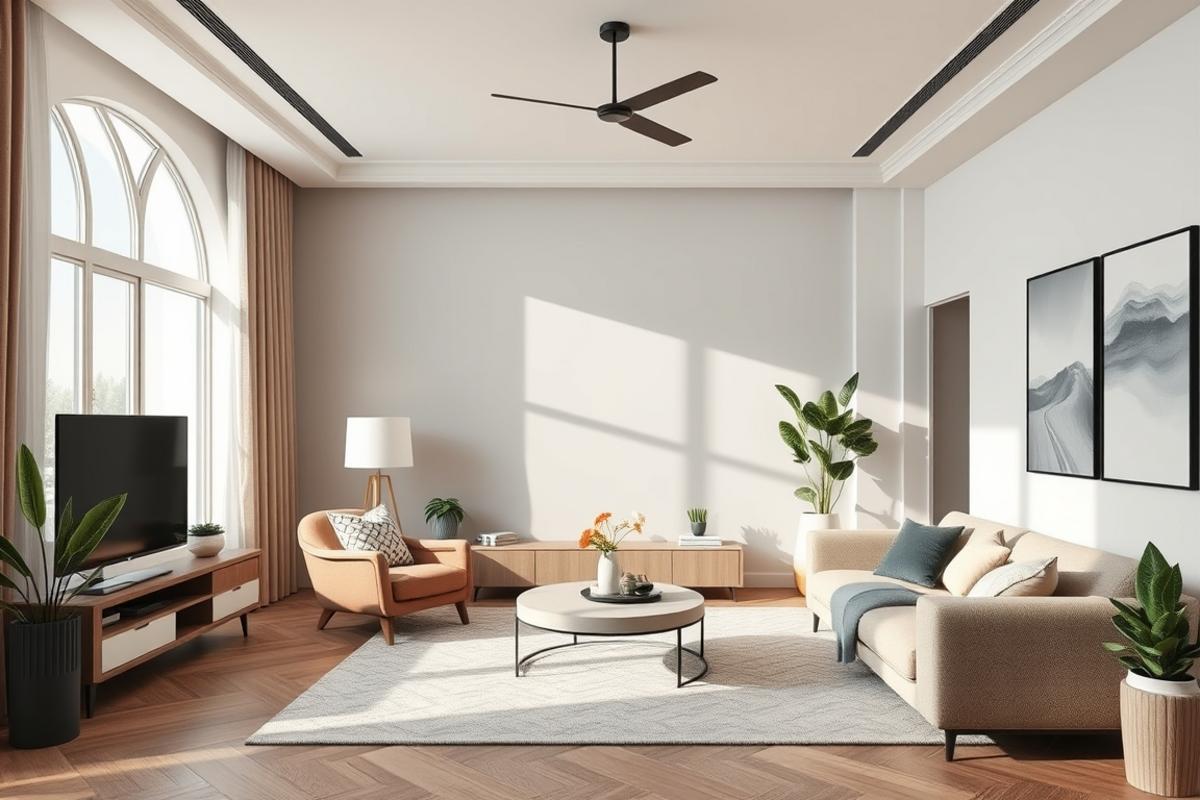
Even well-intentioned entryways can go wrong. Knowing the most common mistakes helps you avoid them before they happen.
The biggest mistake is overcrowding the space. It’s tempting to add more hooks, more shelves, and more decor. But too much in a small area creates visual noise and makes the space feel chaotic. Choose a few pieces that work hard and look great.
Ignoring scale is another common error. A tiny mirror above a large console looks awkward. So does a massive rug in a narrow hallway. Always measure before you buy and visualize proportions before committing.
Poor lighting is often overlooked. A single overhead bulb that’s too bright or too dim can kill the atmosphere. Layer your lighting and choose warm-toned bulbs for a welcoming glow.
Skipping a rug is a missed opportunity. A runner or small area rug defines the entryway zone, adds warmth, and protects your flooring. Choose a low-pile option that’s easy to clean.
And don’t forget the ceiling. Many people decorate their walls and floors but leave the ceiling plain white by default. A painted ceiling in a complementary tone or a simple wallpaper treatment on the ceiling can add unexpected polish.
Avoiding these missteps is part of what separates good minimalist entryway decor from design that truly stands out.
Maintenance and Long Term Style Tips
A beautiful entryway needs to stay that way over time. Consistency and a little routine go a long way.
Clean your entryway surfaces weekly. Dust accumulates on consoles, shelves, and light fixtures faster than you’d expect. A quick wipe-down keeps everything looking fresh. Use appropriate cleaners for your specific materials — wood polish for wood, glass cleaner for mirrors.
Edit your accessories seasonally. Swap out a throw blanket, change up a vase, or rotate artwork every few months. This keeps the space feeling current without a full redesign. It’s also a great excuse to refresh your home decor on a budget.
Check your hardware and hooks regularly. Screws can loosen over time, especially in high-traffic areas. A quick tighten-up every six months prevents damage to your walls and keeps everything safe.
Invest in quality where it counts. A durable rug, a solid console table, and good lighting fixtures last for years. Spend a little more on these anchor pieces and save on accessories that you can swap out easily.
Keep a small cleaning caddy nearby or in a closet close to the entryway. Having supplies handy makes it easier to stay on top of maintenance. Your entryway will thank you for it.
Conclusion
Your entryway is more than just a passthrough. It’s the first impression your home makes — and the last thing you see before you walk out the door. Getting it right matters.
The good news is that great design doesn’t require a massive budget. With the right materials, thoughtful color choices, and intentional styling, even a small or awkward entryway can become a space you love.
Whether you’re starting from scratch or just refreshing what you have, modern entryway decor ideas give you a framework that works in any home. And embracing minimalist entryway decor principles will help you keep the space clean, functional, and beautiful for years to come.
Ready to keep going? Explore more room-by-room decor inspiration right here on ItsDecor.com and find your next favorite design idea.
FAQs
What is the most important piece of furniture for an entryway?
A console table or storage bench is usually the most important piece. It anchors the space visually and provides both surface area and storage. Choose a size that fits your available floor space without blocking traffic flow.
How do I make a small entryway look bigger?
Use light paint colors, a large mirror, and minimal furniture. Wall-mounted storage keeps the floor clear, which makes the space feel more open. Good lighting also helps a small entryway feel larger and more inviting.
What colors work best for a modern entryway?
Warm whites, soft greiges, and light neutrals are reliable choices that brighten the space. Deeper tones like navy or charcoal work well for a more dramatic, sophisticated feel. The key is choosing a color that flows naturally into the rest of your home.
Do I need a rug in my entryway?
A rug isn’t required, but it’s highly recommended. It defines the entryway zone, adds warmth and texture, and helps protect your flooring from dirt and scratches. Choose a durable, low-pile option that’s easy to vacuum and spot-clean.
How often should I update my entryway decor?
You don’t need to overhaul it frequently. A seasonal refresh, like swapping accessories or updating a plant, keeps things feeling current. Aim for one small update every three to four months to keep the space feeling alive and intentional.