
Bring the Shore Indoors: Coastal Interior Design Inspiration for Every Home
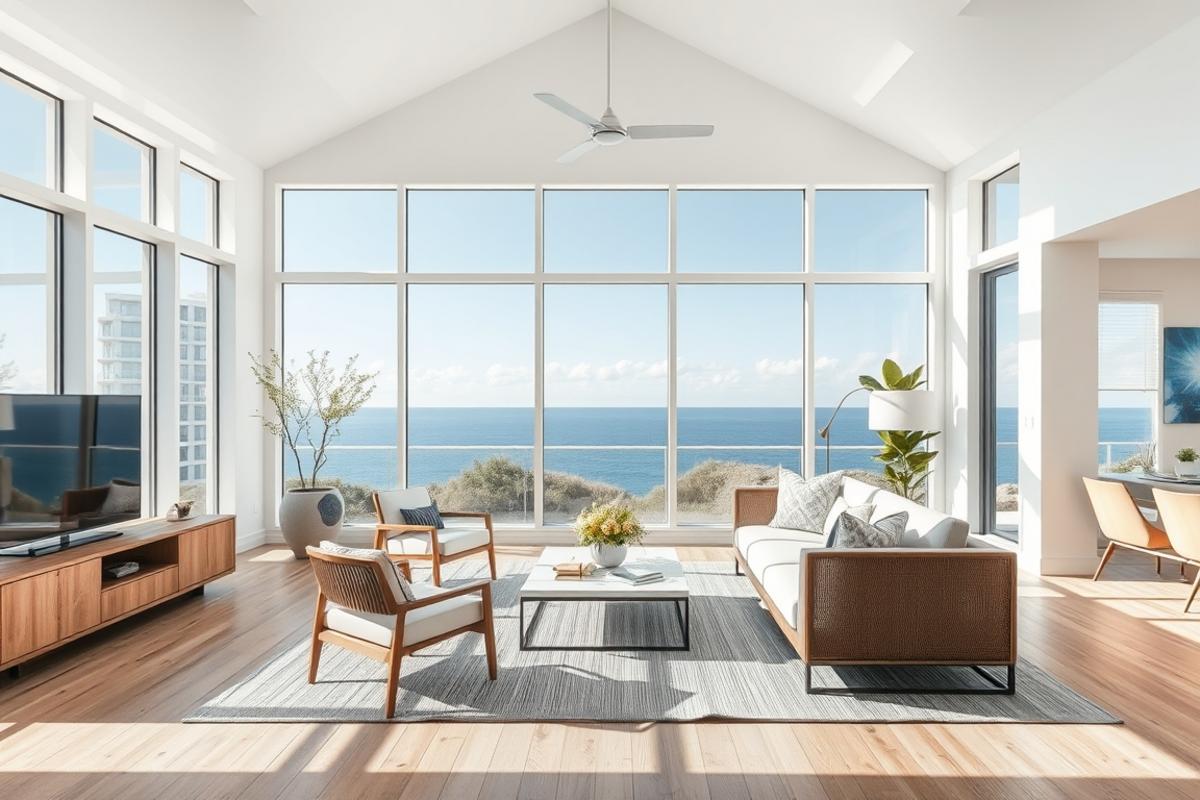
Have you ever walked into a room and instantly felt calm, as if the ocean breeze had followed you inside? That feeling is exactly what coastal interior design inspiration can bring to your home. It’s a style that celebrates ease, light, and natural beauty. And whether you live near the water or in a landlocked city, you can absolutely make it work. The secret is in the right combination of textures, colors, and intentional styling. From breezy living rooms to serene bedrooms, coastal design ideas are having a major moment in American homes right now. It’s easy to see why.
Coastal style isn’t just about seashells on shelves. It’s a full sensory experience. It’s about creating a home that feels open, airy, and deeply relaxed. Modern homes often feel cluttered and overstimulating. Coastal interiors offer a gentle, intentional antidote to that. Let’s explore how to bring this timeless look to life.
Key Design Elements and Materials
The foundation of any coastal room starts with natural materials. Think raw wood, rattan, linen, jute, and woven seagrass. These textures instantly add warmth without feeling heavy. They’re also incredibly versatile and work in nearly every room.
Furniture with a weathered or whitewashed finish is ideal. A driftwood-inspired coffee table or a cane-back dining chair signals the coastal vibe right away. And don’t worry about budget. You can find similar pieces at thrift stores or discount furniture shops across the US.
Wall finishes matter too. Shiplap paneling is a classic coastal choice. It adds architectural character without overwhelming a space. A whitewashed brick wall or a simple beadboard accent can achieve the same effect for less money.
Lighting fixtures should feel organic. Woven pendant lights, rope-wrapped lamps, and lantern-style fixtures all complement the aesthetic. They add texture through light, which is something most people overlook entirely.
For textiles, stick to natural fibers. Linen curtains, cotton throw blankets, and jute area rugs all pull the look together. These materials also tend to be breathable and comfortable, which makes coastal spaces feel especially livable.
Color Palette and Lighting Strategy
Color is where the coastal magic really happens. The classic palette leans into soft whites, sandy beiges, muted blues, and sage greens. These hues mimic the tones you’d find along the American coastline. Think of the color of sea glass, driftwood, and wet sand.
You don’t have to go all white. A warm greige or a pale clay tone can serve as a grounding neutral. Layer it with ocean-inspired blues and soft seafoam accents. The result feels fresh without being cold.
Natural light is your best friend in a coastal space. If you have large windows, let them breathe. Skip heavy drapes and choose sheer linen panels instead. They filter light beautifully and add that billowing, breezy quality the style is known for.
In apartments or condos with limited natural light, you’ll need to be strategic. Use warm-toned bulbs in the 2700K to 3000K range. They mimic golden hour light and keep the space feeling warm rather than clinical. Layer your lighting with floor lamps, table lamps, and overhead fixtures.
Mirrors are a powerful tool here. A large round mirror with a rattan or driftwood frame reflects light and makes any room feel more expansive. In a small apartment, this trick can completely transform the space.
Step by Step Interior Design Tips
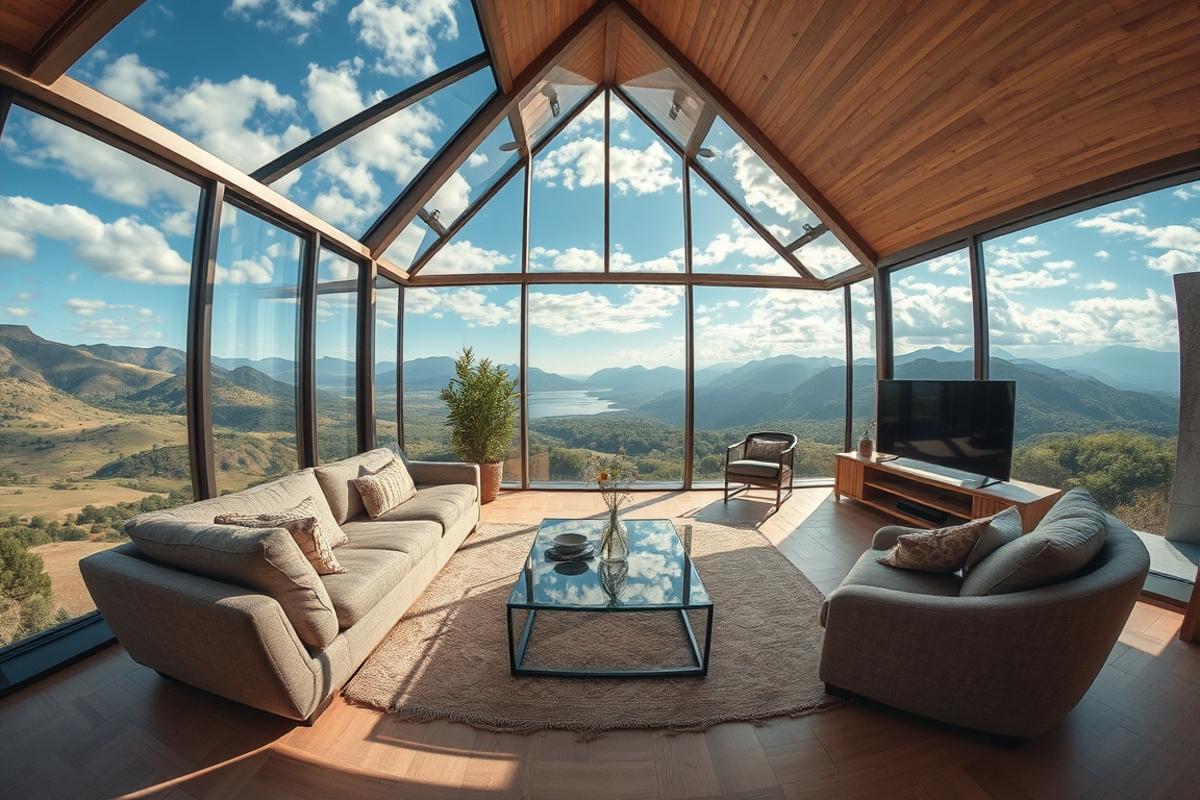
Ready to start styling? Here’s how to approach it room by room in a practical way.
Step 1: Start with a neutral base. Paint your walls in a soft white or warm sand tone. This sets the foundation for everything else. Don’t skip this step.
Step 2: Bring in natural textures. Add a jute rug, some rattan furniture, and linen throw pillows. These pieces do most of the heavy lifting. You’ll notice the shift immediately.
Step 3: Edit your accessories. Less is more in coastal design. Choose a few meaningful pieces: a piece of driftwood, a woven basket, a simple ceramic vase. Avoid overcrowding shelves and surfaces.
Step 4: Layer your lighting. Add a woven pendant or a rattan table lamp. Lighting is often the last thing people think about, but it makes an enormous difference. It sets the mood for the entire room.
Step 5: Add a botanical element. A potted fern, a snake plant, or a simple bunch of dried pampas grass brings the outdoors in. Plants also improve air quality, which is a bonus in any living space.
This is where true coastal interior design inspiration really comes to life. It’s not about buying everything at once. It’s about building the look intentionally, one layer at a time. These coastal design ideas work equally well in a sprawling house or a compact city apartment.
Style Variations and Decor Ideas
Coastal design isn’t one-size-fits-all. There are several beautiful variations to consider depending on your taste and lifestyle.
Modern Coastal strips back the nautical accessories and focuses on clean lines, a white-and-blue palette, and minimalist furnishings. It’s sophisticated and very popular in newer US condos and open-plan homes.
Bohemian Coastal layers more texture and pattern. Think macrame wall hangings, mixed-print textiles, and abundant greenery. It feels free-spirited and creative. It works beautifully in eclectic apartments.
Scandinavian Coastal blends Nordic simplicity with beachside warmth. Light wood tones, functional furniture, and a muted blue-and-white palette define this variation. It’s clean, calm, and incredibly livable.
Luxury Coastal elevates everything with higher-end materials. Marble surfaces, linen upholstery, and statement lighting create a resort-like feel. This version works especially well in larger homes or primary bedrooms.
No matter which variation speaks to you, the core principles remain the same. Light, natural materials, and a relaxed palette will always guide you in the right direction.
Common Decorating Mistakes to Avoid
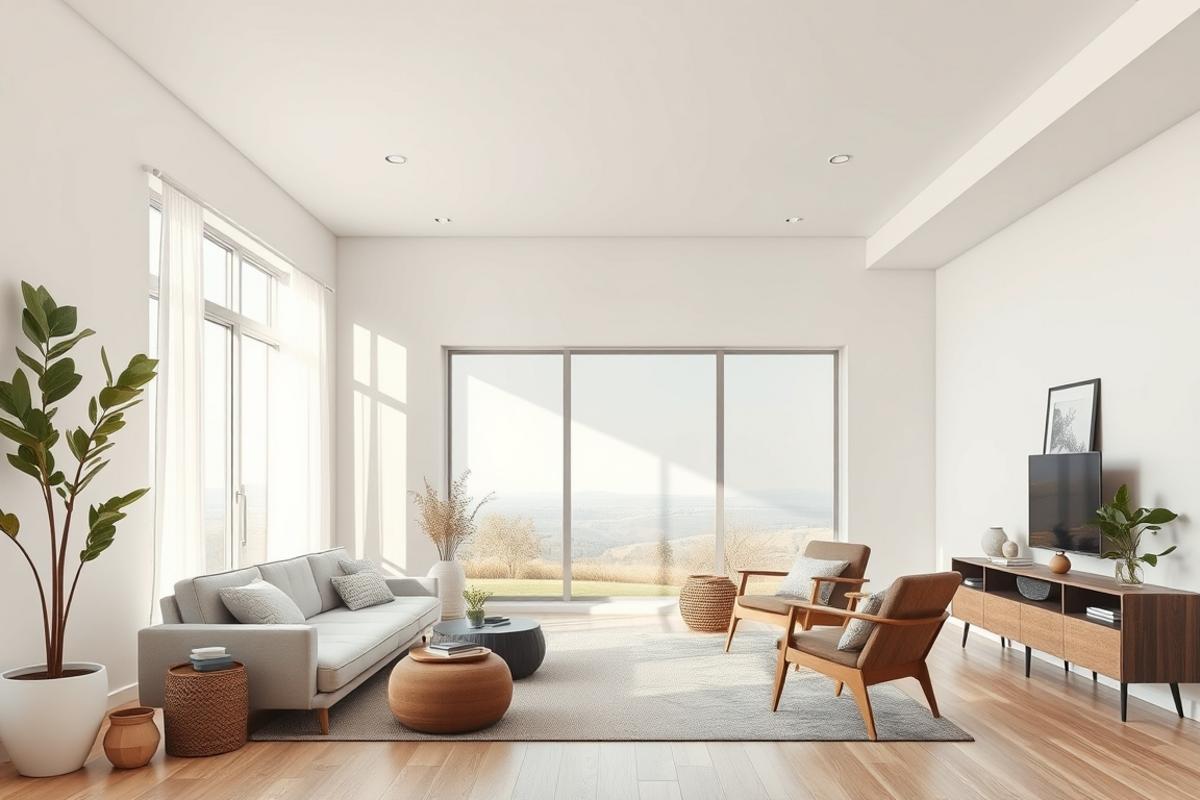
Even the best coastal design ideas can fall flat if you make a few common mistakes. Let’s talk about what to avoid.
Over-theming the space. Seashells, anchors, and rope everywhere will make your home look like a souvenir shop. Keep nautical accessories minimal and subtle. One or two well-chosen pieces are plenty.
Ignoring scale and proportion. A tiny rug in a large living room breaks the visual flow immediately. Make sure your rug is large enough to anchor the seating area. Furniture should also be appropriately scaled to the room.
Using too many cool colors. All-blue rooms can feel cold and unwelcoming. Balance blues with warm whites, sandy neutrals, and natural wood tones. The contrast is what makes coastal palettes feel so inviting.
Choosing the wrong fabrics. Heavy velvet or dark upholstery kills the coastal vibe instantly. Stick to linen, cotton, and other breathable, light-toned fabrics. They’re also much easier to clean.
Neglecting the ceiling. Many homeowners forget about the fifth wall. A white shiplap ceiling, a beadboard treatment, or even just a fresh coat of crisp white paint can dramatically elevate the whole room.
Maintenance and Long-Term Style Tips
A beautiful coastal room is easy to maintain if you set it up thoughtfully from the start. Natural materials like rattan and jute are durable. But they do need occasional care. Dust woven pieces regularly and keep them away from direct moisture.
Linen and cotton textiles wash well. Many coastal-style throw covers and pillow cases are machine washable. Investing in slipcover-style furniture is a smart move, especially in homes with kids or pets.
Refresh your coastal look seasonally. In summer, lean into lighter blues, whites, and airy textures. In fall and winter, add warmer throws, richer sand tones, and cozy candles. The base palette stays the same. Only the accents shift.
Swap out small accessories every year or so to keep the space feeling current. New throw pillows, a fresh piece of wall art, or a different vase arrangement can make a big impact for very little money.
Budget-friendly updates make a real difference over time. A new set of linen curtains or a woven mirror from a discount home store can completely refresh a coastal room. You don’t need to renovate to keep it looking great.
Conclusion
Coastal interior design is one of the most enduring and livable styles in American homes today. It’s calming, beautiful, and remarkably easy to personalize. You now have all the tools you need to bring it to life in your own space.
Start with the fundamentals: a light palette, natural textures, and intentional lighting. Build from there with purpose and patience. Whether you go modern, bohemian, or luxurious, the core of coastal interior design inspiration always points back to ease and connection with nature. And with so many fresh coastal design ideas available today, there’s truly something for every budget and every home.
Explore more articles here on ItsDecor.com for room-by-room guides, color palette breakdowns, and seasonal decor refresh ideas. Your dream home is closer than you think.
FAQs
What is coastal interior design?
Coastal interior design is a decorating style inspired by the colors, textures, and relaxed atmosphere of seaside living. It typically features a palette of whites, blues, and sandy neutrals, along with natural materials like rattan, linen, and driftwood. The goal is to create a calm, airy, and welcoming space.
Can I achieve a coastal look in a small apartment?
Absolutely. Coastal design actually works beautifully in small spaces. Focus on light colors to open up the room, use mirrors to reflect light, and keep furnishings minimal. A few well-chosen natural textures and a sheer linen curtain can transform even the tiniest apartment into a breezy coastal retreat.
Do I need to live near the ocean to use this style?
Not at all. Coastal interior design is about capturing a feeling, not a location. Millions of homeowners across landlocked US cities have embraced this style successfully. The key is in the palette, materials, and light rather than actual proximity to the water.
What colors work best for a coastal living room?
Soft whites, warm beiges, muted ocean blues, sage green, and seafoam are all excellent choices. You can use one as your dominant color and layer the others as accents through textiles, accessories, and furniture. Avoid overly saturated or dark tones, which tend to work against the airy coastal aesthetic.
How do I avoid making my coastal room look too themed or kitschy?
The key is restraint. Choose one or two subtle nods to the ocean, like a piece of driftwood or a single piece of sea glass art, and let the palette and materials do the rest of the work. Avoid obvious nautical props like anchors and rope borders, and instead focus on the natural, organic elements that define truly refined coastal design.