
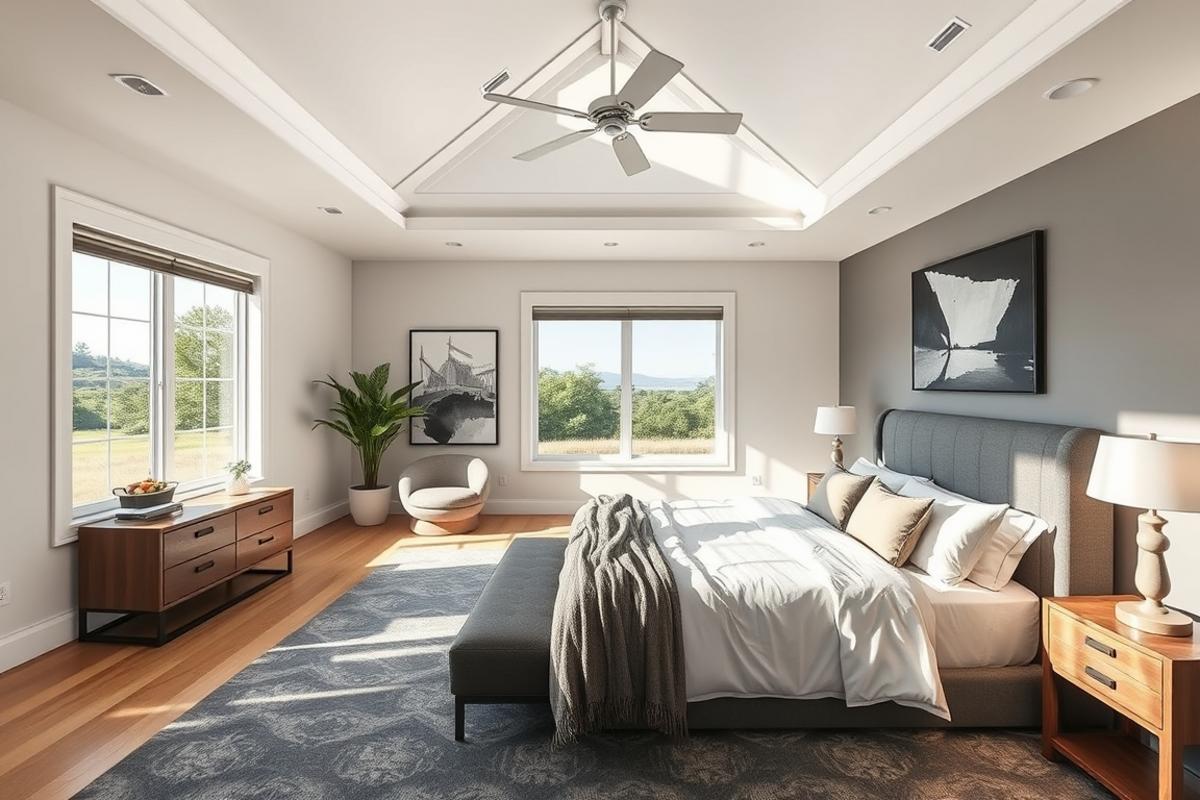
Your bedroom is the one room in your home that belongs entirely to you. So why settle for colors that bore you the moment you wake up? Choosing the right bedroom color ideas modern can completely transform how you feel in your own space. And the difference between a room that feels tired and one that feels like a luxury retreat often comes down to color and light. Pairing smart design choices with modern bedroom paint schemes gives you a room that looks pulled together, feels calm, and reflects your personal style. Whether you live in a studio apartment or a spacious suburban home, this guide will walk you through everything you need to know.
Key Design Elements and Materials
Modern bedroom design is built on a foundation of simplicity and intention. Every element earns its place. Nothing is random.
The most important element is wall color. It sets the emotional tone before you even choose a single piece of furniture. Cool tones like soft sage, slate blue, and warm greige are defining trends in contemporary bedroom color ideas modern.
Texture is just as important as color. A flat, single-painted wall can feel cold. But pair it with a linen duvet, a chunky knit throw, and a wood nightstand, and that same wall suddenly feels warm and inviting.
Here are the key materials to focus on for a modern bedroom:
- Wall finishes: Matte paint, limewash, or textured plaster for depth
- Flooring: Light oak hardwood, concrete-look tile, or soft area rugs in neutral tones
- Furniture: Low-profile platform beds, clean-lined dressers, and minimal nightstands
- Textiles: Linen, cotton, and boucle in muted, tonal shades
- Accents: Brushed brass, matte black, or warm walnut hardware and frames
Budget-conscious decorators can focus on paint and textiles first. These two elements offer the most visual impact per dollar spent. You don’t need to replace your furniture to modernize a room.
Color Palette and Lighting Strategy
Color does something powerful in a bedroom. It affects how rested you feel, how big the room looks, and how much you enjoy spending time there.
Cooler shades like dusty blue, soft teal, and muted lavender signal rest and calm to your brain. Warmer neutrals like warm white, camel, and terracotta feel grounded and cozy. The best modern bedroom paint schemes often blend both — a cool wall with warm-toned textiles and wood accents.
For small apartments, light reflective colors are your best friend. Soft whites, pale grays, and creamy off-whites make a compact room feel open and airy. In larger bedrooms, you have more freedom to go deeper with color.
Lighting is the other half of this equation. Natural light changes the way a paint color looks throughout the day. Always test paint swatches in your actual room under both daylight and evening light before committing.
For artificial lighting, layer your sources. Use three levels:
- Ambient lighting: Overhead fixtures or ceiling-mounted LEDs for general brightness
- Task lighting: Wall sconces or bedside lamps for reading
- Accent lighting: LED strips under the bed frame or behind a headboard for mood
Warm-toned bulbs (around 2700K to 3000K) work best in bedrooms. They enhance warm paint tones and make the room feel relaxing rather than clinical.
Step by Step Interior Design Tips
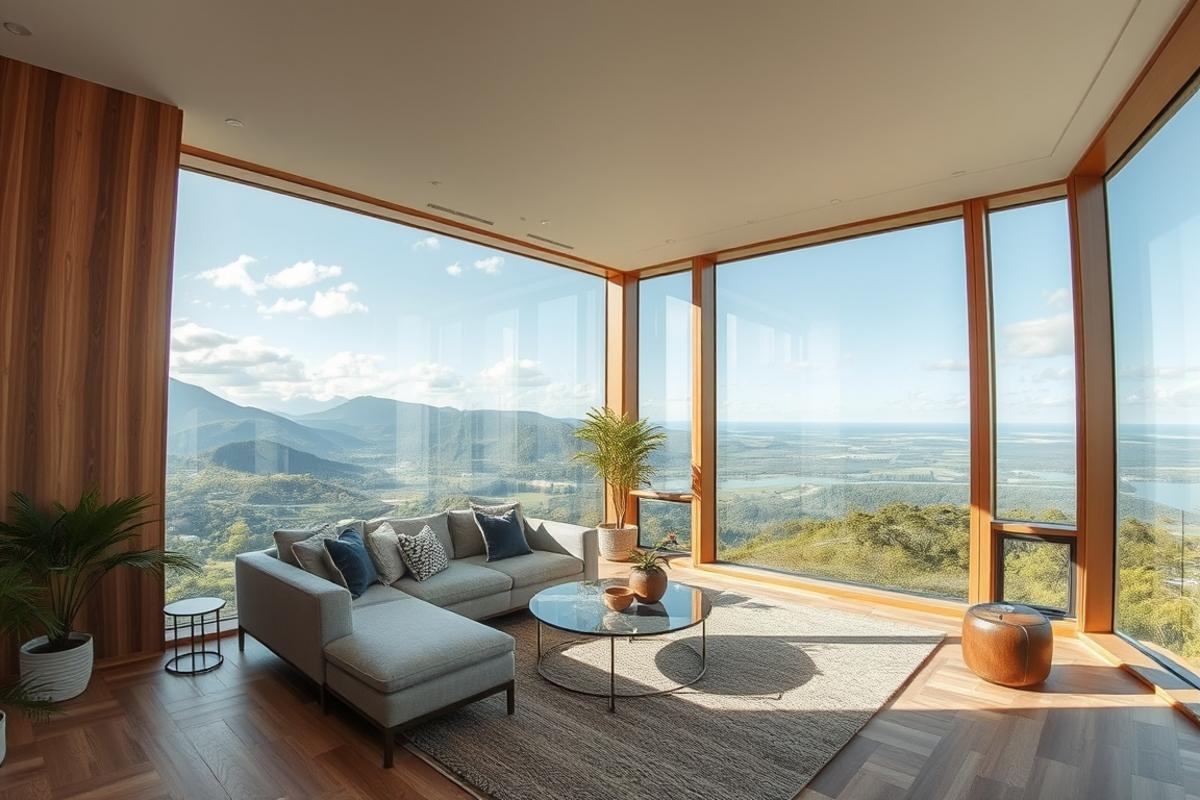
Ready to bring your vision to life? Here is a clear, step-by-step approach that actually works.
Step 1: Choose your base color first. Start with the wall color before buying anything else. Look at current bedroom color ideas modern for inspiration, but filter them through your personal preferences. Do you lean toward cool and serene, or warm and grounded?
Step 2: Test before you commit. Buy sample pots and paint at least a 12-by-12-inch swatch on your wall. Live with it for two full days before deciding.
Step 3: Build your palette around that base. Choose one or two accent colors that complement your wall tone. These appear in your bedding, throw pillows, curtains, and small decor pieces.
Step 4: Plan your furniture layout. Place your bed on the wall opposite the door, if the room allows it. Leave at least 24 to 30 inches of walking space on each side of the bed. Keep nightstands symmetrical for a balanced, modern look.
Step 5: Layer your lighting. Install a dimmer switch if possible. This gives you full control over the mood of the room at any time of day.
Step 6: Add texture through soft furnishings. Even the most thoughtfully chosen modern bedroom paint schemes can fall flat without texture. Add a chunky rug, layered pillows, and a textured throw to bring warmth and dimension.
Step 7: Edit and simplify. Modern design thrives on restraint. If something doesn’t add to the room’s feel, remove it. Less really is more here.
Style Variations and Decor Ideas
Modern design is not a single look. It’s a broad family of styles that share clean lines and intentional choices. Here are some popular variations to consider.
Minimalist modern: White or light gray walls, a low platform bed, minimal furniture, and zero clutter. This works beautifully in small apartments.
Warm modern: Think terracotta, warm camel, and dusty rose tones paired with natural wood and soft linen. It’s modern but incredibly inviting.
Scandinavian modern: Pale walls, natural textures, functional furniture, and pops of muted color. This style suits people who value calm, everyday practicality.
Moody modern: Deep charcoal, navy, forest green, or plum walls paired with brushed gold accents and rich fabrics. This creates a dramatic, cocoon-like bedroom.
Luxe modern: Neutral tones with elevated materials — velvet headboards, marble-look nightstands, and layered lighting. This style brings high-end feel to any budget.
Each of these variations uses core modern principles. They simply apply them in different directions based on personal taste.
Common Decorating Mistakes to Avoid
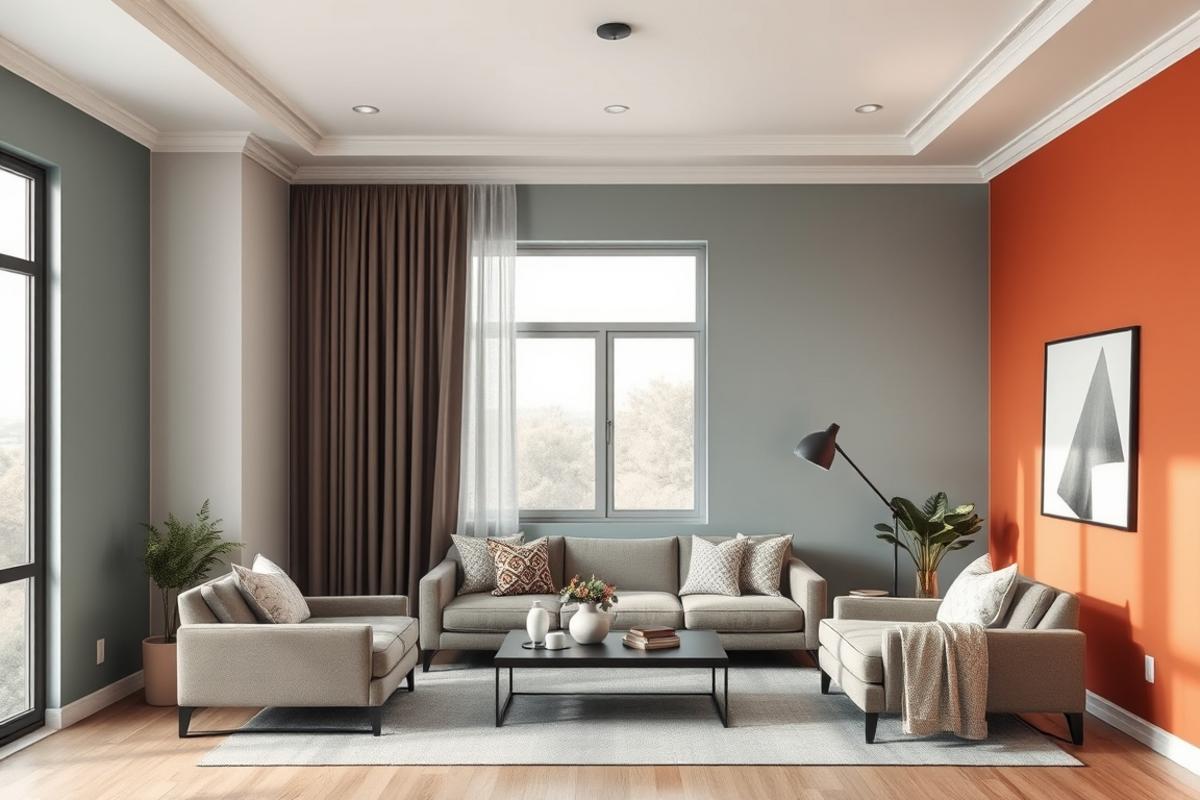
Even experienced decorators make mistakes. Here are the most common ones — and how to avoid them.
Choosing paint color first, furniture second. This often leads to a clash. Instead, start with a fixed element like flooring or an existing piece of furniture, then build your palette around that.
Using only one light source. A single overhead light makes a bedroom feel like an office breakroom. Layer your lighting as described earlier.
Going too matchy-matchy. Matching every element to the same wood tone or color family makes a room feel flat. Mix warm and cool tones intentionally.
Ignoring scale. Oversized furniture in a small room feels oppressive. Tiny furniture in a large room feels lost. Always measure before you buy.
Skipping window treatments. Bare windows look unfinished and let in too much morning light. Linen curtains or woven shades are affordable and impactful.
Over-decorating. Too many throw pillows, too many wall frames, too many decorative objects. Modern design is about breathing room. Edit your space down to what you truly love.
Maintenance and Long Term Style Tips
A beautiful bedroom doesn’t stay that way on its own. But keeping it looking great is easier than most people think.
Start with a simple declutter routine. Once a week, spend five minutes removing anything that doesn’t belong in the bedroom. Clutter is the enemy of modern design.
For walls, matte and eggshell paint finishes are beautiful but do show scuffs over time. Keep a small touch-up jar of your wall paint on hand. A quick dab on a scuff takes two minutes and keeps walls looking fresh.
Refresh your soft furnishings seasonally. Swap out a throw blanket or pillow covers as the seasons change. It’s an inexpensive way to keep your modern bedroom paint schemes feeling current without repainting.
Consider doing a small decor audit once a year. Ask yourself: does this piece still reflect my style? If not, donate it or move it to another room.
Lighting fixtures can also be updated affordably. A new lampshade or a different bulb temperature can change the whole feel of a room without any renovation.
Conclusion
Your bedroom deserves thoughtful design. Color, light, texture, and layout all work together to create a space that truly feels like yours. Exploring bedroom color ideas modern doesn’t have to mean a full renovation. Sometimes the biggest transformation starts with a single paint color and a few intentional choices. A well-planned set of modern bedroom paint schemes can make even the smallest room feel like a serene, stylish retreat.
Start with what you have. Layer in color, light, and texture over time. And don’t be afraid to trust your instincts — your bedroom should feel like you.
Explore more decor ideas and room inspiration right here on ItsDecor.com. You’ve got this.
FAQs
What are the most popular modern bedroom colors right now?
The most popular colors include warm greige, soft sage green, dusty blue, deep charcoal, and warm white. These tones are versatile and work well across many design styles. They also photograph beautifully, which is part of why they dominate bedroom color ideas modern trends on platforms like Pinterest.
How do I choose between warm and cool tones for my bedroom?
Think about how you want to feel in the room. Cool tones like blues and grays feel calm and spacious. Warm tones like terracotta and camel feel cozy and grounding. Consider your natural light too — north-facing rooms benefit from warm tones, while south-facing rooms can handle cooler shades without feeling cold.
Can I use dark colors in a small bedroom?
Yes, absolutely. Dark colors can actually make a small bedroom feel intentional and cozy rather than cramped. The key is to balance a dark wall color with lighter bedding, reflective surfaces, and good layered lighting. Many modern bedroom paint schemes use deep tones in small rooms with striking results.
How many colors should I use in a modern bedroom?
Stick to a palette of two to three colors. Choose one dominant wall color, one secondary tone for textiles and soft furnishings, and one accent color for hardware and small decor pieces. This keeps the room looking clean, cohesive, and genuinely modern rather than busy.
How often should I refresh my bedroom decor?
You don’t need to redecorate every year. A good rule of thumb is a small seasonal refresh twice a year — changing out throw blankets and pillow covers. A more significant update every three to five years, such as a new wall color or updated furniture piece, keeps the space feeling current without overwhelming your budget.