
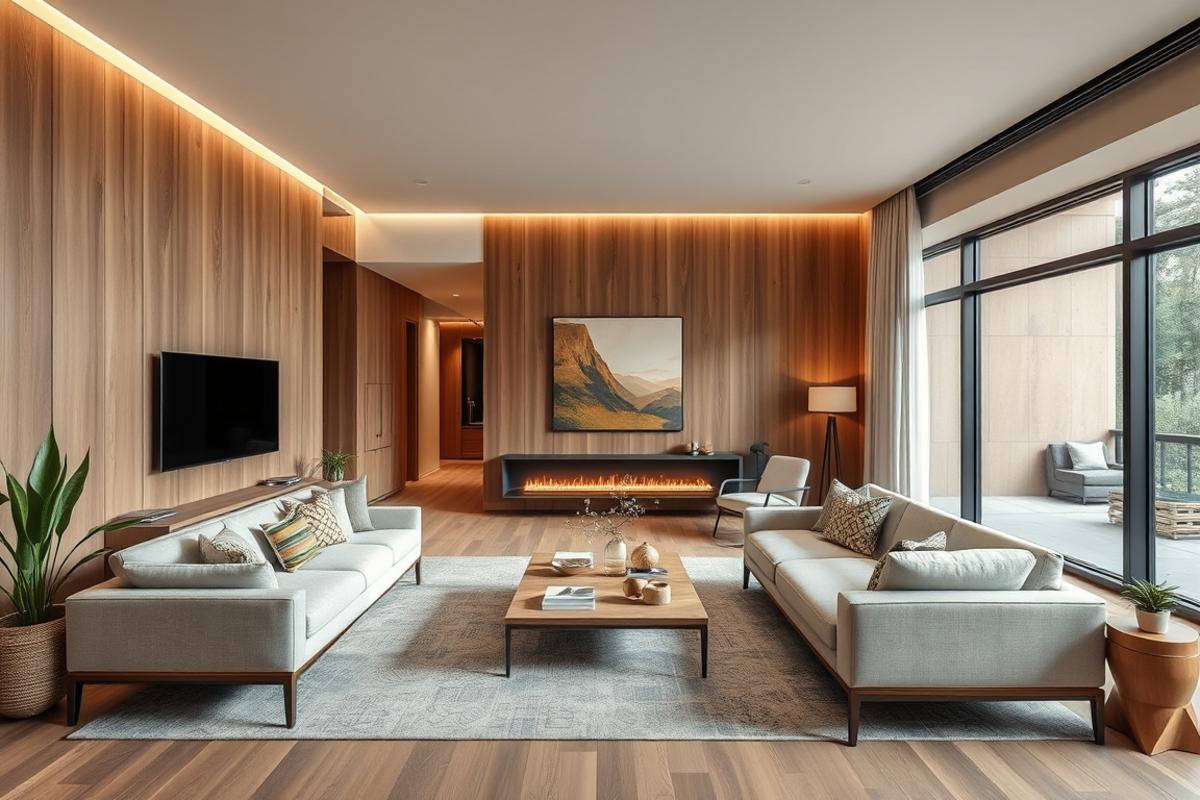
What if your home could feel both deeply calm and effortlessly stylish at the same time? That’s exactly what japandi interior design ideas deliver. This hybrid aesthetic blends Japanese minimalism with Scandinavian warmth, creating spaces that feel intentional, peaceful, and quietly beautiful. If you’ve been searching for a design philosophy that works for modern American homes, apartments, and condos, japandi style home decor might be exactly what you need. It’s practical, timeless, and surprisingly achievable on any budget.
More homeowners across the US are embracing this style because it solves a real problem. Most of us want our homes to feel serene without looking cold or sterile. Japandi does that beautifully. It brings together natural textures, muted tones, and functional furniture into one cohesive look that never feels overdone.
Whether you’re redesigning a full room or just refreshing your living space, this guide will walk you through everything you need to know. Let’s get into it.
Key Design Elements and Materials
The foundation of japandi interior design is simplicity. Every element in the room should have a reason to be there. This isn’t about owning less. It’s about choosing better.
Natural materials are at the heart of this style. Think light oak, bamboo, linen, rattan, and raw stone. These textures bring warmth and visual depth without adding clutter. They also age beautifully, which makes them a smart long-term investment for any home.
Furniture should be low-profile and functional. Clean lines and simple silhouettes are key. A platform bed, a low wooden coffee table, or a streamlined linen sofa will all fit perfectly. For smaller apartments, multifunctional pieces work especially well. A storage bench or a minimalist shelving unit pulls double duty without crowding the room.
Wall finishes matter too. Smooth plaster, limewash paint, or simple shiplap in neutral tones all complement this aesthetic. You don’t need expensive treatments. Even a fresh coat of warm white or warm gray makes a big difference. The goal is a surface that feels calm and natural, not loud or decorative.
Greenery is another core element. A single sculptural plant, like a fiddle leaf fig or a snake plant, adds life to the space. But don’t overdo it. One or two well-placed plants are more impactful than a dozen scattered around.
Color Palette and Lighting Strategy
Color sets the emotional tone of any room. In japandi style home decor, the palette stays grounded in nature. Think warm whites, soft beiges, sage greens, dusty terracotta, and deep charcoal. These shades feel soothing without being boring.
You don’t need to paint every wall the same color. Layer neutral tones across surfaces, textiles, and furniture instead. A warm off-white wall with a charcoal linen sofa and a sage green throw pillow creates natural contrast without feeling chaotic.
Lighting plays an equally important role. Natural light is your best friend in this style. Keep window treatments light and sheer. Let daylight flood in as much as possible. In apartments or rooms with limited natural light, warm-toned bulbs at around 2700K to 3000K recreate that soft, golden glow beautifully.
Layered lighting makes a real difference. Combine ambient lighting with task lighting and a few accent sources. A paper lantern pendant light, a simple rattan floor lamp, and a small wooden table lamp work together to create atmosphere without overwhelming the space.
For houses with open floor plans, use lighting zones to define separate areas. A pendant over the dining table and a floor lamp near the reading chair naturally break up the space. In smaller condos and studios, wall sconces save floor space while still adding warmth and dimension.
Step by Step Interior Design Tips
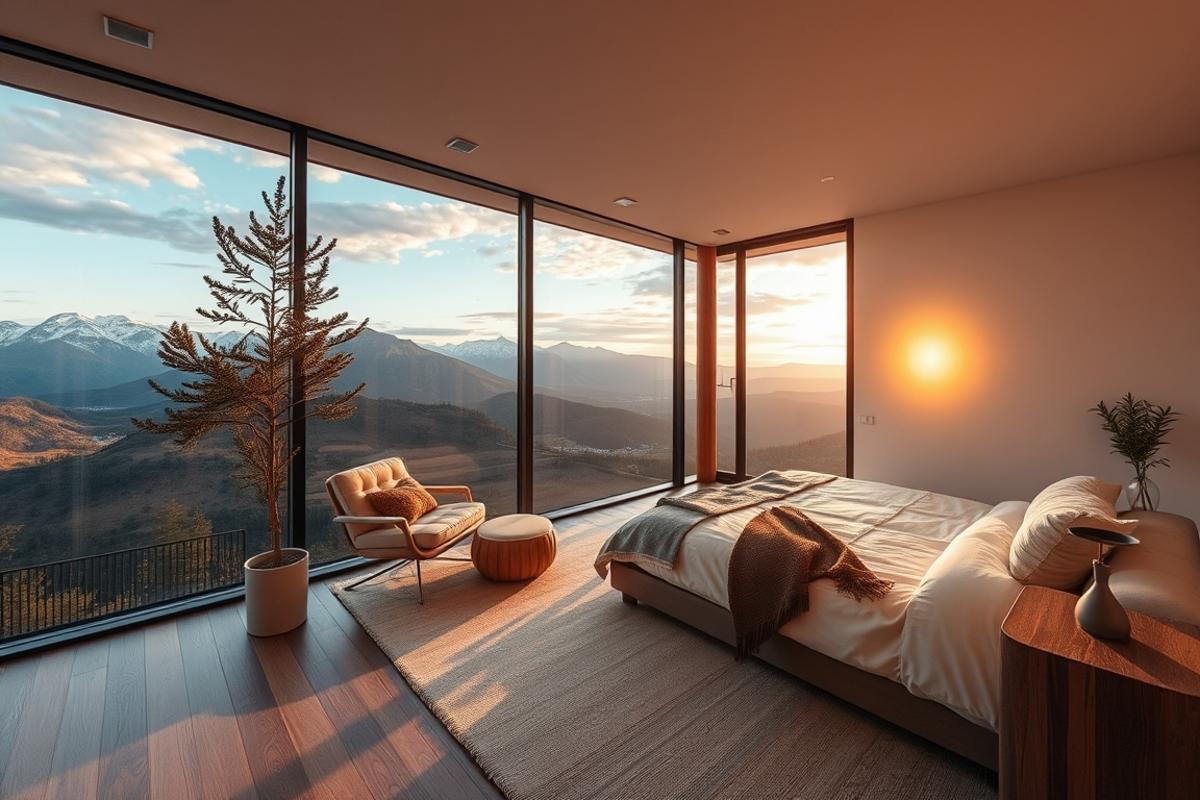
Start by decluttering. Before you buy a single new item, remove anything that doesn’t serve a purpose or bring genuine calm. This one step transforms a room more than any furniture purchase ever will.
Next, choose your anchor piece. This is usually the largest furniture item in the room, like the sofa in a living room or the bed frame in a bedroom. Pick something low, simple, and made from a natural material. Everything else will build around it.
Layer in textures slowly. Add a linen throw, a jute rug, and a few ceramic or wooden accessories. Stick to your color palette. If something doesn’t fit the tone, set it aside for now. Consistency is what makes japandi interior design ideas look so polished and intentional.
Pay attention to spacing. Leave breathing room between furniture pieces. Open floor space is not wasted space. It’s a design choice. In smaller rooms, pulling furniture slightly away from walls actually makes the space feel larger and more curated.
Finally, add one or two meaningful decorative objects. A handcrafted ceramic bowl, a small wooden sculpture, or a simple vase with dried stems. These finishing touches bring personality to japandi style home decor without breaking the minimalist spirit. Less is always more here.
Style Variations and Decor Ideas
One of the best things about this style is how adaptable it is. You can lean into different directions depending on your taste and lifestyle.
If you prefer a more modern feel, go for sharper lines and cooler neutrals like soft gray and white. Use matte black hardware and sleek ceramic accessories. This version feels crisp and contemporary while still staying rooted in japandi principles.
For a cozier interpretation, lean into Scandinavian hygge influences. Add more soft textiles, warmer tones like camel and cream, and cozy layered rugs. This version feels especially welcoming in cooler climates or during fall and winter months.
If you want a more luxurious take, invest in higher-quality natural materials. Aged brass accents, handwoven linen curtains, and solid wood furniture elevate the look without abandoning its simplicity. This approach works beautifully in larger homes and open-concept spaces.
For small apartments or studio condos, a micro japandi approach works perfectly. Keep the furniture minimal and low-profile. Use mirrors to bounce light. Stick to two or three colors maximum. Even a tiny space can feel completely transformed with the right choices.
Common Decorating Mistakes to Avoid
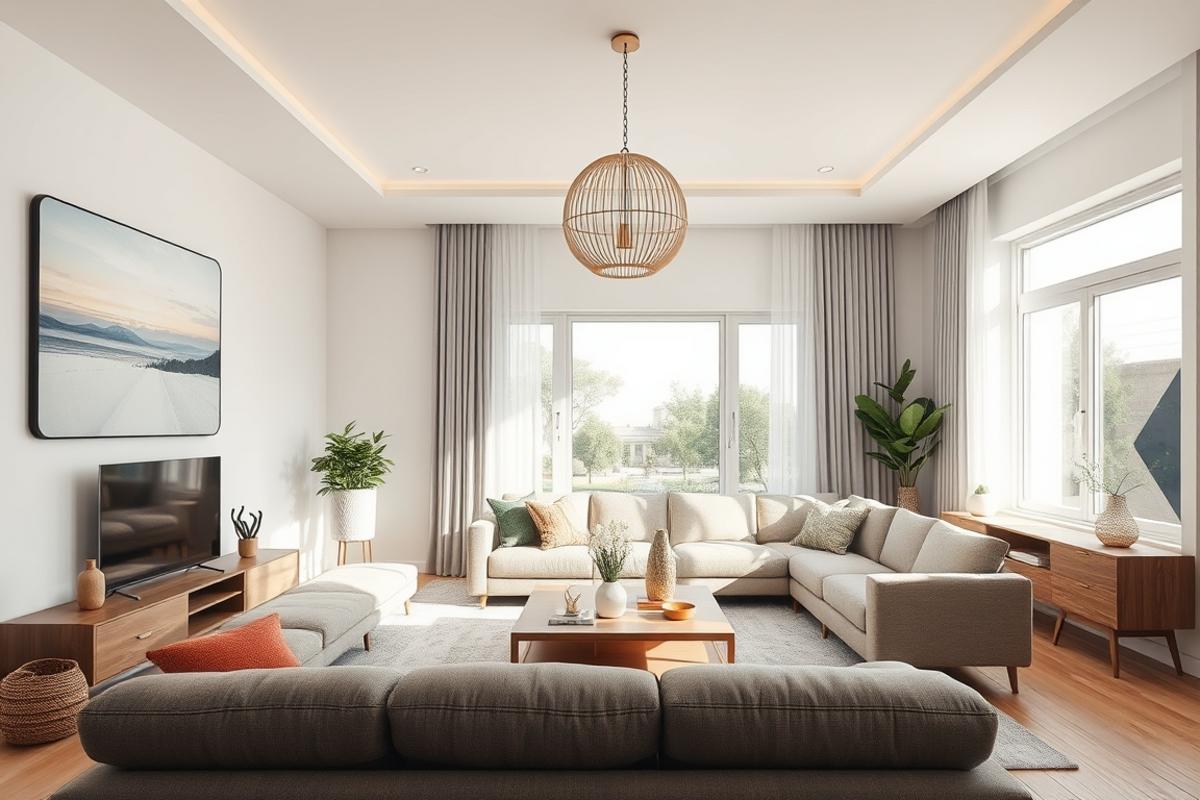
The biggest mistake people make is confusing minimalism with emptiness. A japandi room should feel warm and livable, not like a bare showroom. Make sure your textures and materials do the work of adding warmth.
Another common error is mixing too many wood tones. It’s easy to accidentally pull in light oak, dark walnut, and medium-toned pine all at once. The result feels disjointed. Stick to one or two complementary wood tones throughout the space.
Ignoring scale is another mistake that’s easy to make. Oversized furniture in a small room kills the flow. Undersized furniture in a large room looks lost. Always measure your space before purchasing and consider how each piece relates to the others.
Overdoing the accessories is also a trap. It’s tempting to keep adding small items. But in japandi style home decor, editing is everything. If you’re unsure about a piece, leave it out. The space will thank you.
Finally, don’t neglect the floor. A rug that’s too small, too busy, or the wrong material can throw off the entire room. Choose a simple, natural-fiber rug like jute, wool, or a flat-woven cotton blend. Size up if you’re unsure. A larger rug almost always looks better.
Maintenance and Long Term Style Tips
Keeping a japandi space looking its best doesn’t require much effort. But it does require consistency.
Dust natural wood surfaces regularly with a soft cloth. Avoid harsh chemical cleaners that can strip the finish. A little lemon oil or natural wood conditioner once or twice a year keeps wood furniture looking fresh and extends its lifespan significantly.
Linen and cotton textiles should be washed regularly in gentle cycles. Natural fabrics can wrinkle, and that’s okay. In japandi design, a slightly lived-in texture actually adds to the authenticity of the space. Embrace it rather than fighting it.
Seasonal refreshes are easy with this style. Swap out throw pillows and blankets as the seasons change. In fall and winter, bring in deeper tones like rust, chocolate brown, and forest green. In spring and summer, pull back to lighter creams and soft sage. These small changes keep the space feeling current and intentional.
Budget-friendly updates are also simple. A new ceramic vase, a few dried botanicals, or a fresh candle in an earthy scent can instantly refresh the mood of a room. You don’t need to redecorate from scratch every year. Small, thoughtful additions make a big impact.
Shop the Look: Our Top Picks
As an Amazon Associate, ItsDecor earns from qualifying purchases.
Conclusion
Japandi is more than a trend. It’s a design philosophy that genuinely improves how a home feels to live in. When your space is calm, intentional, and rooted in natural beauty, everyday life just feels a little better.
By applying japandi interior design ideas in thoughtful layers, starting with your materials, then your colors, then your lighting, you can transform any room into a peaceful retreat. And with japandi style home decor as your guiding aesthetic, even modest budgets and small spaces can achieve something truly special.
Start small. Pick one room. Make one intentional change at a time. You’ll be surprised how quickly the space starts to shift. Explore more room-by-room decor guides right here on ItsDecor.com to keep the inspiration flowing.
FAQs
What is the difference between japandi and Scandinavian design?
Scandinavian design focuses on cozy functionality and light-filled simplicity. Japandi takes that foundation and adds Japanese wabi-sabi principles, which embrace imperfection and natural aging. The result is a slightly more refined, earthy, and meditative aesthetic compared to traditional Scandi style.
Is japandi interior design suitable for small apartments?
Absolutely. In fact, small spaces often benefit the most from this style. The emphasis on low furniture, open floor space, and a restrained color palette makes compact rooms feel larger and more intentional. It’s one of the most practical design approaches for city apartments and studio condos.
What colors work best in a japandi room?
Warm neutrals are the core of this palette. Think soft whites, warm beiges, muted sage greens, dusty terracotta, and deep charcoal. Avoid bright, saturated colors. The goal is a palette that feels grounded in nature and easy on the eyes throughout the day.
How do I add personality to a japandi space without cluttering it?
Choose a few meaningful objects rather than many decorative items. A handcrafted ceramic piece, a single sculptural plant, or a piece of simple wall art adds personality without visual noise. In japandi style home decor, each object should earn its place in the room.
Can japandi work in a family home with kids?
Yes, with a few smart adjustments. Choose durable, easy-to-clean natural materials like washable linen and sealed wood surfaces. Use storage baskets and low shelving to keep things organized without sacrificing the aesthetic. The calming color palette and clutter-free approach can actually make a busy family home feel more manageable and peaceful.