
Japandi Interior Design Ideas: The Ultimate Guide to Calm, Beautiful Spaces
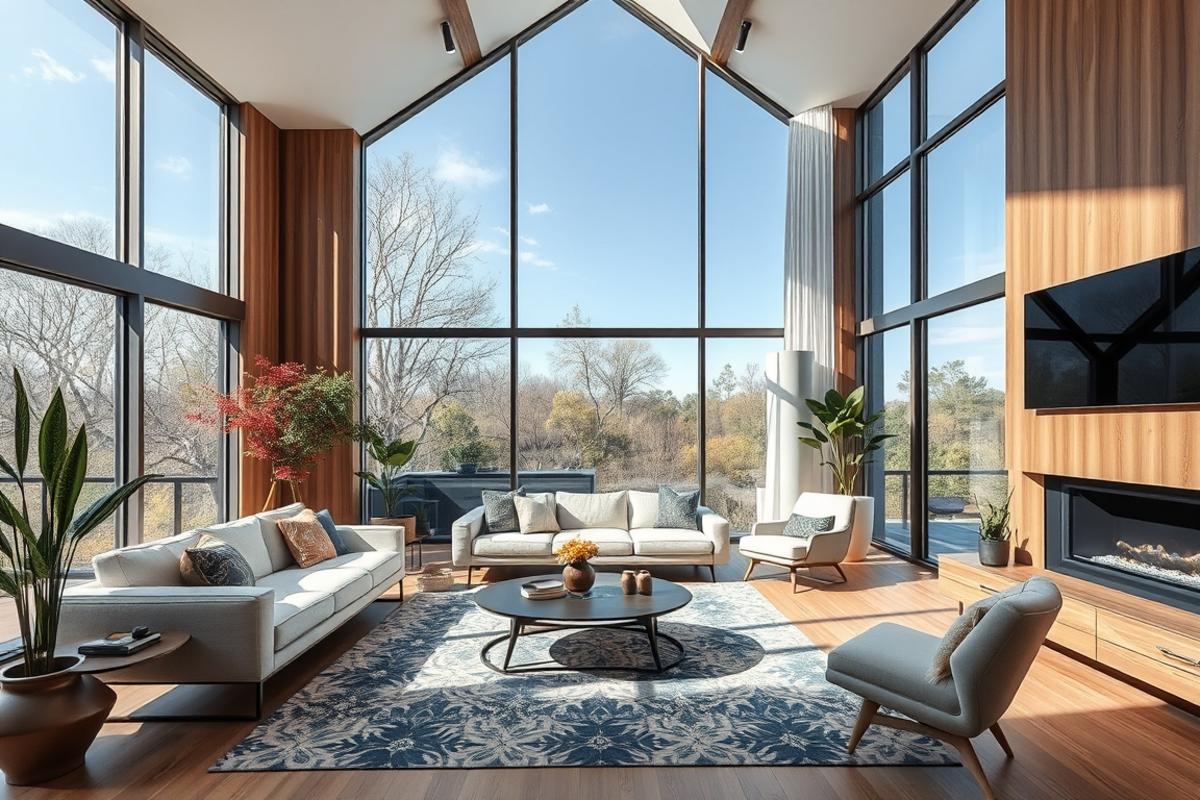
Have you ever walked into a room and felt instantly at peace? That’s exactly what japandi interior design does to a space. It blends Japanese minimalism with Scandinavian warmth to create something truly special. If you’ve been searching for japandi interior design ideas that feel both elegant and livable, you’re in the right place. This style is taking American homes by storm, and for good reason. japandi style home decor strips away visual noise and replaces it with intention, warmth, and quiet beauty. It works beautifully in apartments, condos, and full-sized homes alike.
The appeal goes beyond aesthetics. Japandi design promotes mental calm and a sense of order. In a world that feels increasingly busy, a serene home environment matters more than ever.
Key Design Elements and Materials
Japandi style is built on a foundation of natural materials and honest craftsmanship. Every element earns its place in the room.
Wood is the backbone of japandi interiors. Light oak, walnut, and bamboo are popular choices. They bring warmth without feeling heavy or overdone.
Natural textiles are equally important. Think linen, cotton, and wool. These fabrics add tactile comfort and visual softness. They layer beautifully without cluttering a space.
Handcrafted ceramics and pottery make excellent decorative accents. A simple ceramic vase or a wabi-sabi inspired bowl adds soul to a shelf or coffee table. These pieces don’t need to be expensive to feel meaningful.
For furniture, low-profile silhouettes work best. Clean lines and functional forms define japandi pieces. Avoid overly ornate or decorative legs and carvings.
If you’re on a budget, look for secondhand wooden furniture and refinish it yourself. A light sanding and natural oil finish can transform almost any piece into something that fits this aesthetic perfectly.
Color Palette and Lighting Strategy
Color sets the emotional tone of any room. In japandi interiors, the palette stays grounded, quiet, and organic.
Neutral tones form the base. Warm whites, soft beiges, muted taupes, and stone grays work together harmoniously. These shades reflect light gently and make spaces feel open.
Earthy accent colors add depth without disruption. Dusty sage, terracotta, charcoal, and deep forest green appear as accents through cushions, throws, or a single accent wall. They never shout for attention.
Natural light is your most powerful design tool. In apartments or rooms with limited windows, keep window treatments sheer and light. Don’t block the daylight you have.
For artificial lighting, layer your sources. Use warm-toned bulbs in the 2700K to 3000K range. Avoid harsh overhead fluorescent lighting completely.
Practical lighting tips for different home types:
– In small apartments, use floor lamps with warm bulbs to create corner warmth
– In open-plan homes, use pendant lights over dining areas to define zones
– In bedrooms, wall-mounted reading lights free up nightstand space
– Paper lantern-style shades fit the japandi mood perfectly
Candles and diffusers also support the ambiance. They add warmth and scent without any design effort at all.
Step by Step Interior Design Tips

Ready to transform your space? Follow these steps to get the look right from the ground up.
Step 1: Declutter first. Before you add anything, remove what doesn’t serve a purpose. Japandi design is rooted in intentionality. Every object should have meaning or function.
Step 2: Choose your base palette. Pick two or three neutral tones for walls, floors, and large furniture. Stay consistent. Avoid mixing too many competing shades in one room.
Step 3: Bring in natural wood. Add a wooden coffee table, shelving unit, or side table. Even a single piece of natural wood grounds the room immediately.
Step 4: Layer textiles thoughtfully. Add a linen throw, a wool area rug, and simple cotton cushions. Keep patterns minimal. Solid tones or subtle textures work best.
Step 5: Edit your accessories. Choose three to five meaningful objects for display. A ceramic bowl, a small potted plant, and a single framed art print are more than enough.
Step 6: Address your lighting. Swap out any harsh bulbs. Add a floor lamp or table lamp to soften the room’s mood in the evening hours.
Applying these japandi interior design ideas in sequence makes the process feel manageable. And japandi style home decor doesn’t require a full renovation. Small, intentional changes add up fast.
Room spacing tip: Leave breathing room around furniture. Don’t push every piece against a wall. Floating furniture slightly creates a sense of ease and flow.
Style Variations and Decor Ideas
Japandi design is surprisingly flexible. It can lean in different directions depending on your personality and lifestyle.
Modern japandi emphasizes clean geometry and minimal accessories. It suits urban apartments and new builds. Think concrete-look floors, sleek wood furniture, and monochrome art.
Cozy japandi leans into the Scandinavian hygge influence. More textiles, warmer lighting, and plush area rugs make spaces feel nurturing. It’s perfect for colder climates or family homes.
Luxury japandi incorporates higher-end natural materials. Stone surfaces, handwoven textiles, and artisan ceramics elevate the aesthetic without changing its core principles.
Bohemian japandi blends organic shapes and earthy tones with a slightly more eclectic touch. You can layer more plants and natural objects without breaking the style’s calm spirit.
No matter the variation, japandi interior design always returns to the same principles. Simplicity, nature, and intentional living stay constant across every version of this style.
Common Decorating Mistakes to Avoid
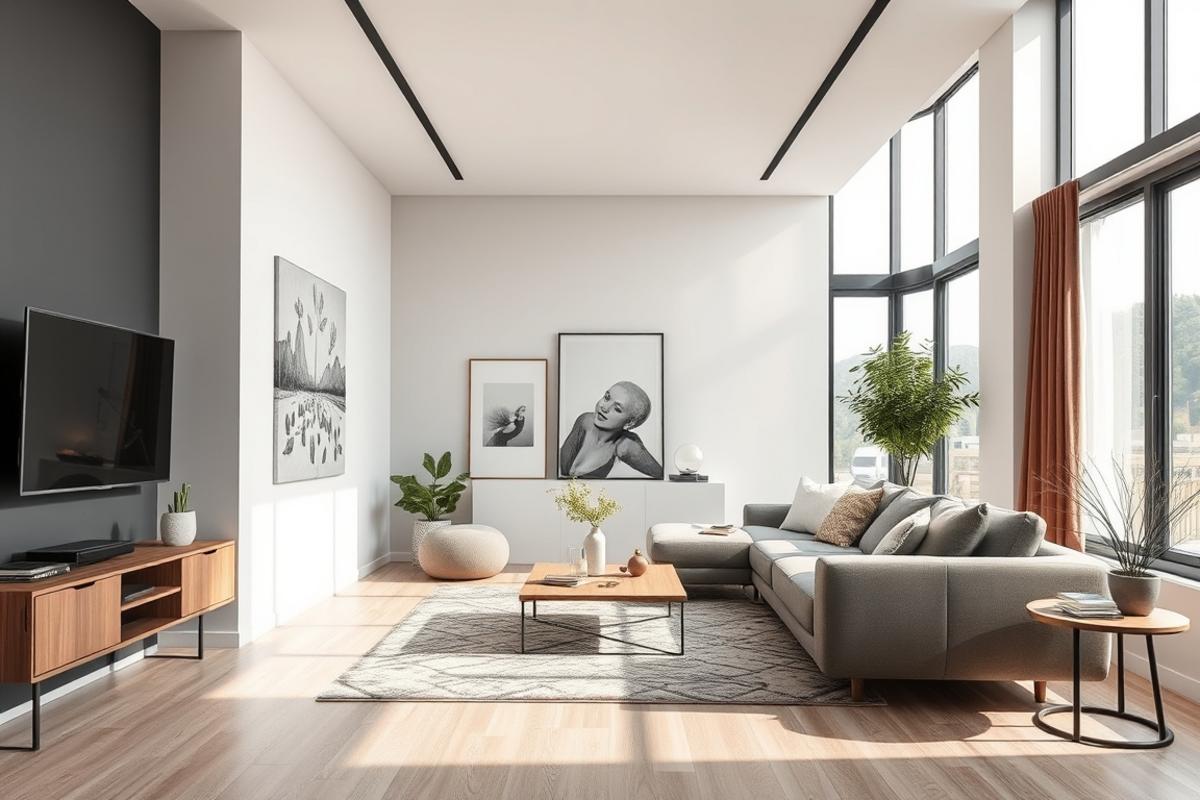
Even a beautiful design concept can go wrong with a few missteps. Here’s what to watch out for.
Over-decorating is the biggest mistake. Adding too many objects destroys the calm that japandi style depends on. If in doubt, remove one more item.
Using the wrong wood tones can make a room feel muddy or inconsistent. Stick to one or two complementary wood species throughout a room. Mixing too many creates visual chaos.
Ignoring scale and proportion is another common error. Oversized furniture in a small room kills the airy feeling. Measure carefully before purchasing any large piece.
Choosing the wrong whites trips up many decorators. Some whites are too stark or cold for japandi spaces. Test paint swatches in natural daylight before committing to any wall color.
Skipping texture entirely makes a room feel sterile. Japandi style is minimalist, but it isn’t cold. Textured linen, matte ceramics, and natural wood grain add warmth without clutter.
The solution to all of these mistakes is the same. Slow down. Make thoughtful choices. Buy less and choose better.
Maintenance and Long-Term Style Tips
Japandi spaces are easier to maintain than heavily decorated rooms. But they do require some attention to stay looking their best.
Regular decluttering is essential. Set a monthly reminder to assess what’s on display. Remove anything that has drifted in without intention. Clutter creeps back quickly in any home.
Care for your natural materials. Wood surfaces benefit from occasional oiling or conditioning. Linen and cotton textiles should be washed gently and line-dried when possible.
Rotate seasonal accents. In fall and winter, lean into deeper earthy tones. Swap a sage cushion for a rust or charcoal one. Add a heavier throw to the sofa or bed.
Refresh with plants. A new potted plant or fresh branch arrangement is the simplest way to renew a space. Even small plants on a windowsill bring life to a japandi room.
Budget-friendly updates can include new ceramic candle holders, a fresh piece of simple wall art, or a new area rug. You don’t need to redecorate the whole room to feel refreshed.
Long-term japandi style success comes from treating your home as a living space that evolves slowly and mindfully.
Shop the Look: Our Top Picks
As an Amazon Associate, ItsDecor earns from qualifying purchases.
Conclusion
Japandi interior design is more than a trend. It’s a philosophy about how we want to live. It asks us to be intentional, to value quality over quantity, and to create spaces that genuinely restore us. By applying these japandi interior design ideas, you can transform any room in your home into a calm and beautiful retreat. And embracing japandi style home decor doesn’t mean starting over from scratch. It means making smarter, more mindful choices with what you already have.
Start with one room. Pick one element to change this week. Then let the process unfold naturally. When you’re ready to explore more, browse our related articles on sustainable bedroom design, minimalist living rooms, and natural material home styling right here on ItsDecor.com.
FAQs
What is japandi interior design?
Japandi is a design style that blends Japanese minimalism with Scandinavian simplicity. It focuses on natural materials, neutral color palettes, functional furniture, and a calm, clutter-free atmosphere. The result is a warm yet minimal aesthetic that works in nearly any home.
Is japandi style expensive to achieve?
It doesn’t have to be. You can achieve japandi style on a modest budget by focusing on decluttering first and adding affordable natural elements like linen textiles, bamboo accessories, and secondhand wooden furniture. Quality over quantity is the guiding principle.
What colors work best for a japandi room?
Warm neutrals are the foundation. Think soft white, warm beige, greige, stone gray, and muted taupe. Earthy accents like sage green, terracotta, and charcoal add depth. Avoid bright or highly saturated colors, as they disrupt the calm mood.
Can japandi work in a small apartment?
Absolutely. In fact, japandi style suits small spaces very well. The emphasis on minimal furniture, light colors, and open floor space actually makes small rooms feel larger and less cramped. Low-profile furniture and smart storage are key.
How is japandi different from Scandinavian or Japanese design alone?
Scandinavian design leans into coziness and hygge with more textiles and warmer tones. Japanese design is often more austere and formal. Japandi combines both, resulting in a style that is minimalist but still warm, functional but still beautiful, and simple but still deeply considered.