
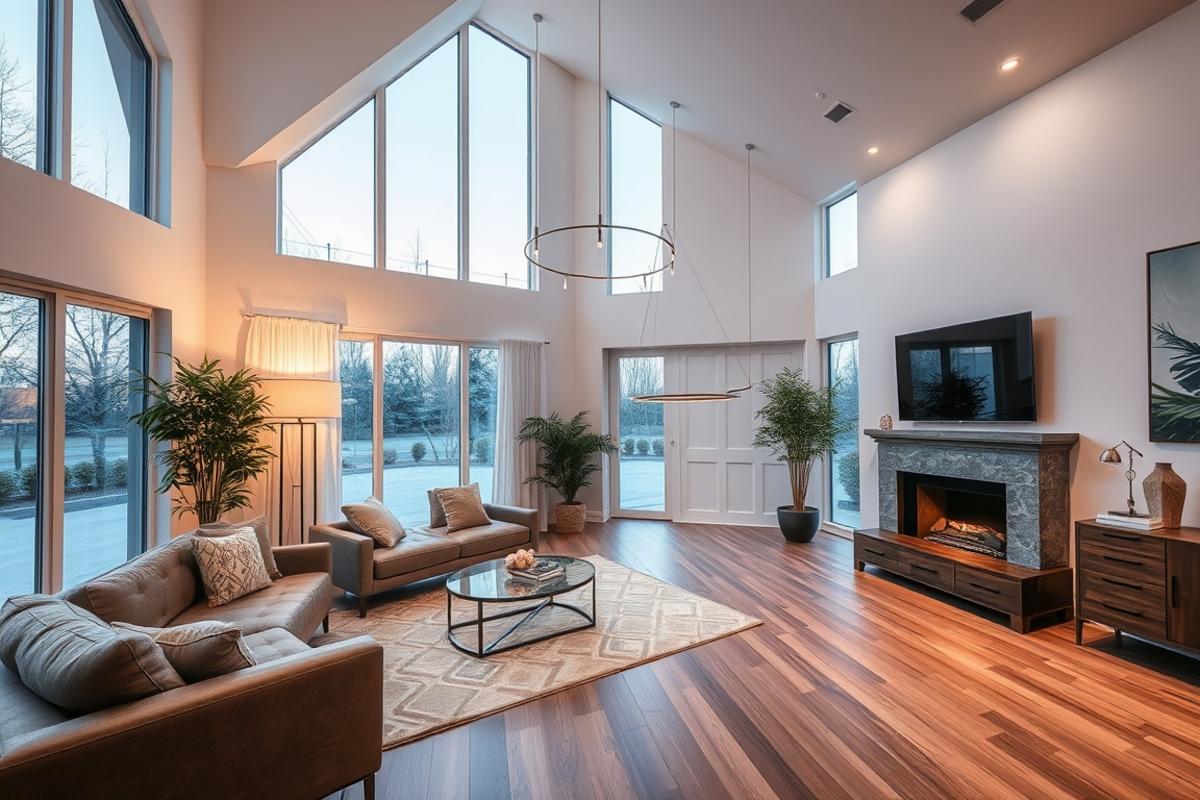
What if one simple change could completely transform how your home looks and feels? Lighting is that change. Most homeowners underestimate its power. If you’re exploring modern lighting ideas home designers actually use, you’re already ahead of the curve. The right fixtures, layering techniques, and bulb choices can elevate any room instantly. And when you pair great lighting with contemporary home lighting designs, the results are striking. This guide walks you through everything you need to know — from materials and color palettes to room-by-room styling tips.
Lighting is no longer just functional. It’s a design statement. American homes — whether a city condo, suburban house, or studio apartment — can all benefit from a thoughtful lighting upgrade. You don’t need a huge budget. You just need the right approach.
So let’s dive in. By the end of this post, you’ll have a clear, actionable plan to refresh your space with smart, stylish lighting choices.
Key Design Elements and Materials
Great lighting design starts with the right fixtures. The materials you choose set the tone for your entire room. Matte black metal, brushed brass, aged bronze, and frosted glass are all popular choices in American homes right now. Each one creates a different mood and works best with specific interior styles.
Matte black fixtures look sharp in minimalist and industrial spaces. Brushed brass adds warmth and elegance to transitional and mid-century modern rooms. Frosted glass diffuses light beautifully. It reduces harsh glare and softens the entire atmosphere of a room.
For budget-conscious decorators, affordable pendant lights and floor lamps can mimic the look of high-end fixtures. You don’t need to spend a fortune. A well-placed $60 pendant over a kitchen island can look like a designer piece. It’s all about placement and proportion.
Don’t forget the hardware. Matching your light fixture finishes to your door handles, cabinet pulls, and faucet finishes creates a cohesive, polished look. This small detail makes a big difference. It’s one of the tricks professional interior designers use consistently.
Consider the scale of your fixtures too. A small chandelier in a large room looks lost. A large pendant in a small foyer can feel overwhelming. Always measure your ceiling height and room dimensions before buying anything.
Color Palette and Lighting Strategy
Color and lighting are inseparable. The wrong light can make a beautiful paint color look muddy or cold. The right light can make even a neutral white wall feel warm, inviting, and layered with depth.
Warm white bulbs (2700K to 3000K) work beautifully in living rooms, bedrooms, and dining areas. They create a cozy, relaxed atmosphere. Cool white bulbs (3500K to 4100K) are better suited for kitchens, bathrooms, and home offices where clarity and focus matter.
Natural light is always your best friend. In apartments with limited windows, use mirrors strategically to bounce light around the room. Place a large mirror across from a window. It doubles the light and makes the space feel larger instantly.
For houses with generous natural light, think about how your artificial lighting will complement it at night. Layer your sources. Use ambient lighting for overall brightness, task lighting for specific functions, and accent lighting to highlight artwork or architectural features.
Paint color matters more than most people realize. Light colors like soft white, warm ivory, and pale greige reflect light. Darker colors absorb it. If you love deep, moody walls, you’ll need more artificial light sources to balance the effect. Plan your color palette and lighting strategy together — not separately.
Step by Step Interior Design Tips

Ready to put it all together? Follow these steps to create a well-lit, beautifully styled space that feels intentional and curated.
Step 1: Audit your current lighting. Walk through each room and note what’s working and what isn’t. Is the room too dim at night? Too harsh during the day? Identify the problem before buying anything new.
Step 2: Plan your layers. Every room needs at least three types of lighting — ambient, task, and accent. Ambient lighting is your overhead source. Task lighting serves a specific purpose like reading or cooking. Accent lighting adds drama and dimension. Don’t skip any layer.
Step 3: Choose your fixtures based on style and scale. Match the fixture style to your existing decor. Measure the room carefully. A pendant light over a dining table should hang about 30 to 36 inches above the tabletop. That’s the sweet spot for most standard ceiling heights.
Step 4: Install dimmer switches wherever possible. Dimmers are one of the most effective and affordable upgrades you can make. They give you complete control over mood and ambiance. This single step is central to great modern lighting ideas home professionals swear by.
Step 5: Add portable light sources. Floor lamps, table lamps, and plug-in sconces add flexibility. You can move them as your needs change. This is especially helpful in apartments where you can’t hardwire new fixtures easily. Exploring contemporary home lighting designs in this portable format gives renters all the style benefits without renovation.
Step 6: Test everything before committing. Live with new fixtures for a week. Try different bulb temperatures. Adjust the height of pendants. Small tweaks at this stage can make a major difference in the final result.
Style Variations and Decor Ideas
One of the best things about lighting design is how adaptable it is. The same layering principles work across completely different interior styles. You just adjust the fixtures and finishes to match your aesthetic.
For a minimalist look, choose sleek, simple fixtures with clean lines. Recessed lighting paired with one statement pendant works beautifully. Keep the palette neutral and let the architectural simplicity shine.
For a Scandinavian-inspired home, think warm wood tones, linen shades, and soft ambient lighting. Hygge is all about coziness and comfort. Layer your light sources low — think table lamps and floor lamps rather than harsh overhead fixtures.
Luxury and glam styles call for crystal or smoked glass chandeliers, gold-toned finishes, and dramatic accent lighting. Use uplighting to highlight textured walls or artwork. This approach works especially well in dining rooms and primary bedrooms.
Cozy cottage or farmhouse vibes? Go for Edison-style bulbs, lantern pendants, and woven lamp shades. These create warmth and nostalgia. They’re perfect for kitchens, breakfast nooks, and reading corners.
Common Decorating Mistakes to Avoid
Even well-intentioned decorators make lighting mistakes. Knowing what to avoid saves you time, money, and frustration.
Relying on a single overhead light. This is the most common mistake in American homes. One ceiling fixture almost never provides enough light, and it creates unflattering, flat illumination. Always layer your sources.
Choosing the wrong bulb temperature. Mixing warm and cool bulbs in the same room creates visual confusion. Stick to one temperature per room for a cohesive feel.
Ignoring scale and proportion. A fixture that’s too small looks afterthought. One that’s too large overwhelms the space. Always measure before you buy. This applies to every room, from the entryway to the bathroom.
Forgetting about dimmers. Fixed-brightness lighting limits your ability to shift the mood of a room. Dimmer switches are inexpensive and transformative. Install them wherever code allows.
Placing task lighting incorrectly. Under-cabinet kitchen lighting that’s too far back creates shadows on your work surface. Position task lights at the front of the cabinet for maximum effectiveness. This detail separates a good kitchen from a great one.
Maintenance and Long Term Style Tips
Once you’ve created a beautiful lighting scheme, you want it to stay that way. Maintenance is simpler than most people think. It just requires a little consistency.
Clean your fixtures regularly. Dust builds up on lampshades, globes, and pendants. It reduces light output significantly. A quick wipe-down every few weeks keeps everything bright and fresh.
Replace bulbs proactively. Don’t wait for a bulb to burn out before thinking about its replacement. Keep a small stash of your preferred bulbs at home. LED bulbs last much longer, but they do eventually dim over time.
Update your lighting seasonally. In summer, bright and airy lighting feels appropriate. In fall and winter, shift toward warmer, lower light levels for a cozy seasonal mood. You can do this simply by changing bulb temperatures or adding candles and string lights as accent sources.
Refresh your shades and accessories every year or two. Fabric lampshades yellow with age. Replacing them is affordable and instantly updates the look of a lamp you already love. It’s one of the easiest budget-friendly decor updates available.
Conclusion
Lighting is one of the most powerful and often underused design tools in any home. When done thoughtfully, it transforms ordinary rooms into spaces that feel curated, comfortable, and truly alive. Whether you’re starting from scratch or refreshing an existing space, applying modern lighting ideas home experts recommend will make a noticeable difference immediately.
The key is layering, intentionality, and choosing fixtures that match both your style and your scale. And if you need inspiration for what to shop, browsing contemporary home lighting designs is a great place to start your search.
Don’t let lighting be an afterthought. It deserves as much attention as your furniture, your paint color, and your textiles. Start with one room, apply the steps in this guide, and watch how dramatically your space changes. Then explore more decor inspiration right here on ItsDecor.com — there’s always another beautiful idea waiting for you.
FAQs
What are the best types of lighting for a living room?
A living room benefits most from layered lighting. Use a central ambient source like a ceiling fixture or chandelier, supplemented by floor lamps and table lamps. Add accent lighting to highlight artwork or shelving. Dimmers on all layers give you the most flexibility for different times of day and activities.
How many light sources does a room really need?
Most designers recommend at least three sources per room — one ambient, one task-specific, and one accent. Larger rooms may need more. The goal is to eliminate dark corners and create a balanced, layered atmosphere that feels natural rather than institutional.
What bulb color temperature should I use in a bedroom?
Warm white bulbs in the 2700K to 3000K range are ideal for bedrooms. They create a relaxing, cozy atmosphere that supports rest. Avoid cool white or daylight bulbs in sleeping spaces. They signal alertness to the brain and can disrupt your natural sleep rhythm.
Can I upgrade my lighting without rewiring or renovating?
Absolutely. Plug-in pendant lights, floor lamps, and battery-operated sconces are all excellent options for renters and anyone who wants to avoid renovation work. Many contemporary home lighting designs are available in plug-in formats that look identical to hardwired versions. You get all the style with none of the construction.
How do I choose the right size pendant light for my space?
A simple rule: add the room’s length and width in feet, and convert that number to inches — that’s roughly the ideal diameter for a single pendant or chandelier. For a dining table, the fixture should be about one-half to two-thirds the width of the table. Always hang pendants at least 7 feet above the floor in open spaces to maintain clear sightlines.