
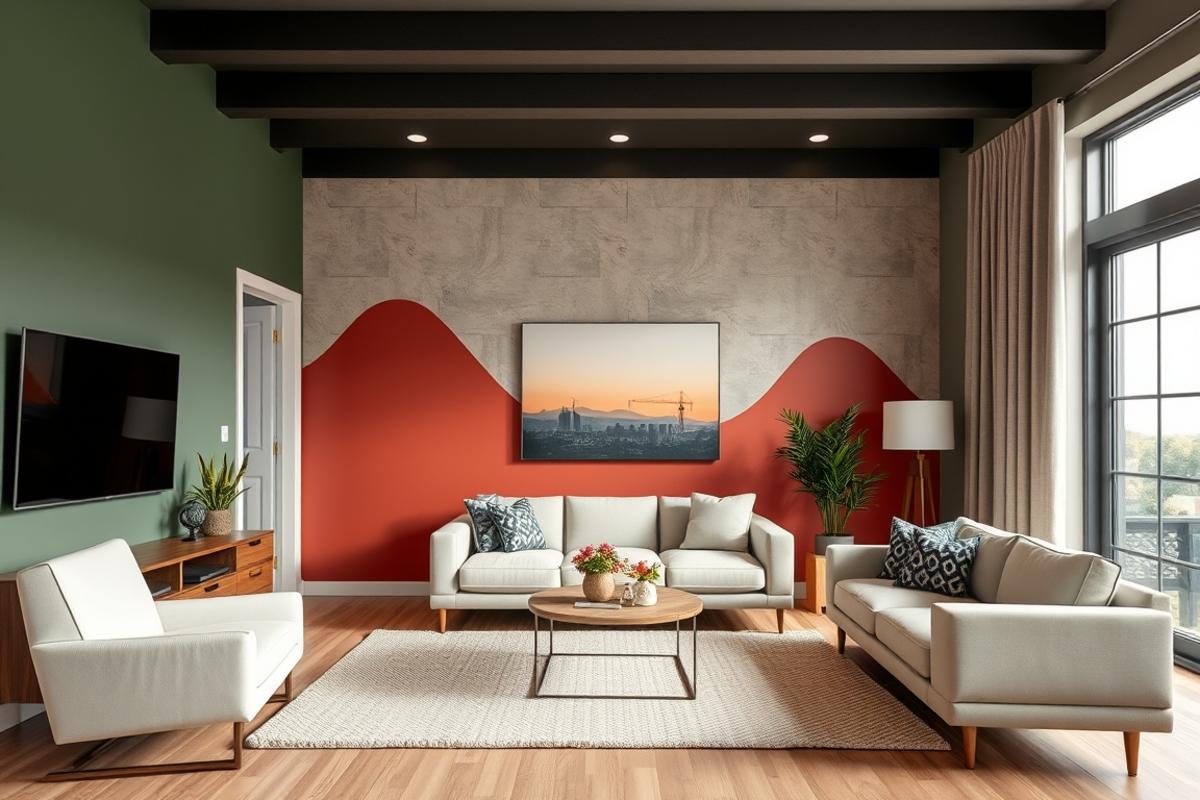
Accent Wall Paint Ideas That Transform Any Room Instantly
Want to completely change the feel of a room without a full renovation? One bold wall can do exactly that. Accent wall paint ideas have become one of the most popular and affordable ways to add personality to modern American homes. Whether you live in a sprawling suburban house or a compact city apartment, a single painted wall creates drama, depth, and style. And when you pair the right color with the right accent wall painting techniques, the results can look truly professional. Let’s explore how to make it happen in your home.
Key Design Elements and Materials
Getting an accent wall right starts with understanding what goes into it. It’s not just about slapping on a bold color. Every element plays a role in how the wall looks and feels.
Paint finish matters more than most people realize. A matte finish feels sophisticated and hides imperfections well. A satin or eggshell finish adds a subtle sheen and is easier to clean. For high-traffic areas like hallways or kids’ rooms, eggshell is the smarter choice.
Texture is another powerful tool. You don’t have to stop at flat paint. Adding texture through limewash, venetian plaster effects, or brush techniques creates visual interest without adding clutter. These finishes work especially well in living rooms and primary bedrooms.
Think about the wall’s relationship with the furniture in front of it. A dark or rich-toned accent wall looks best when the furniture doesn’t compete. Keep your sofa, bed frame, or dining table in neutral tones so the wall becomes the clear focal point.
For smaller budgets, standard interior latex paint works beautifully. For a more elevated look, explore specialty paints with built-in texture or chalk paint for a matte, velvety effect. Both options are widely available at most home improvement stores across the US.
Color Palette and Lighting Strategy
Color is everything when it comes to accent walls. The right shade can make a small room feel larger, a large room feel cozier, and a plain space feel curated.
Deep, saturated colors like navy blue, forest green, terracotta, and charcoal work especially well on accent walls. They create a strong contrast with lighter surrounding walls. And that contrast is what makes the wall feel intentional rather than accidental.
Natural lighting plays a huge role in how paint colors appear. A color that looks rich and warm in the store can turn cool and flat in a north-facing room. Always test paint samples on the actual wall and observe them at different times of day before committing.
In apartments with limited natural light, go for warmer tones. Burnt orange, soft ochre, or warm burgundy reflect light and keep the space from feeling cold or dark. In houses with large windows and bright rooms, you can be bolder with deeper, cooler shades.
Artificial lighting deserves just as much attention. Warm-toned bulbs around 2700K bring out the warmth in earthy shades. Cooler bulbs around 4000K can make jewel tones like emerald green or cobalt blue look incredibly vibrant. Layer your lighting with sconces, floor lamps, or picture lights to highlight the wall after dark.
Step by Step Interior Design Tips
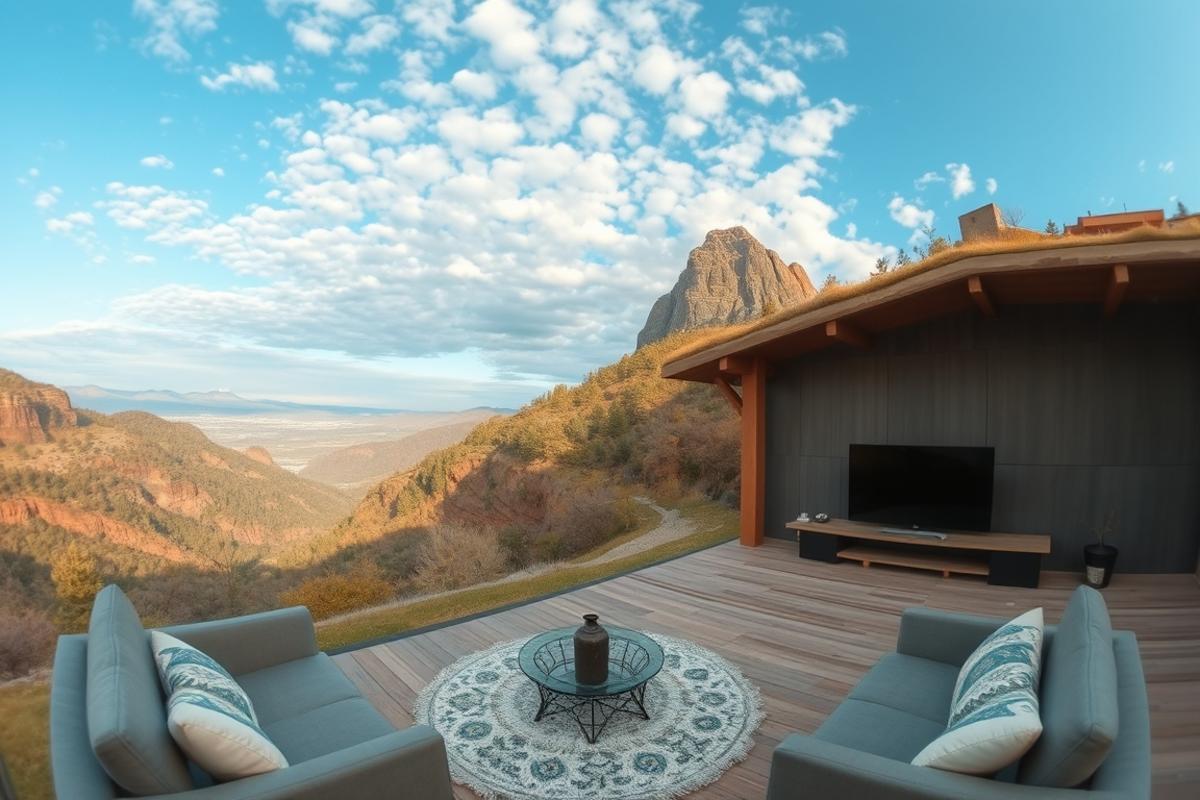
Ready to get started? Follow these steps to create a stunning accent wall in any room.
Step 1: Choose the right wall. The focal wall is usually the first one you see when you walk into a room. In a bedroom, it’s almost always the wall behind the headboard. In a living room, it’s often the wall behind the sofa or the one with the fireplace.
Step 2: Prep the surface thoroughly. Fill any holes or cracks with spackle. Sand the surface smooth. Wipe it down with a damp cloth to remove dust. Good prep work is the difference between a polished finish and a patchy mess.
Step 3: Tape the edges carefully. Use painter’s tape along the ceiling, baseboards, and adjacent walls. Press the tape down firmly to prevent bleeding. This step saves a lot of cleanup time later.
Step 4: Apply your paint in thin, even coats. Two coats are usually enough for most paint colors. Wait at least two hours between coats. Start at the edges with a brush, then use a roller to fill in the center for a smooth, even finish.
Step 5: Layer your decor strategically. Once the paint is dry, hang artwork or a mirror to anchor the wall. Add a plant, a floor lamp, or a decorative shelf for dimension. The accent wall paint ideas you choose should inform everything you place in front of it. And the accent wall painting techniques you use will influence how layered or minimal your decor should be.
Pro tip on spacing: Leave at least six inches between the top of furniture and the bottom of any wall art. This keeps the arrangement feeling intentional and balanced.
Style Variations and Decor Ideas
One of the best things about accent walls is how adaptable they are. They work across almost every interior design style.
Modern and minimalist homes do best with a single deep, muted color like slate gray, warm black, or dusty sage. Keep the surrounding space simple and uncluttered. Let the wall speak for itself.
Cozy or farmhouse-style homes benefit from earthy, warm shades. Think terracotta, warm rust, or creamy white with a limewash texture. Pair these with wood accents and soft textiles for a layered, inviting look.
Scandinavian interiors often use soft, muted accent tones like dusty blue, pale green, or blush pink. These colors add warmth without overwhelming the clean, airy aesthetic that defines the style.
Luxury or glam interiors can go bold with deep jewel tones like sapphire, hunter green, or rich plum. Add metallic accents in gold or brass through picture frames, light fixtures, or decorative objects to elevate the look.
Small rooms and studio apartments benefit from a half-painted accent wall or a color-blocked approach. Paint the bottom two-thirds of the wall in a bold color and keep the top lighter. This tricks the eye into seeing more height.
Common Decorating Mistakes to Avoid
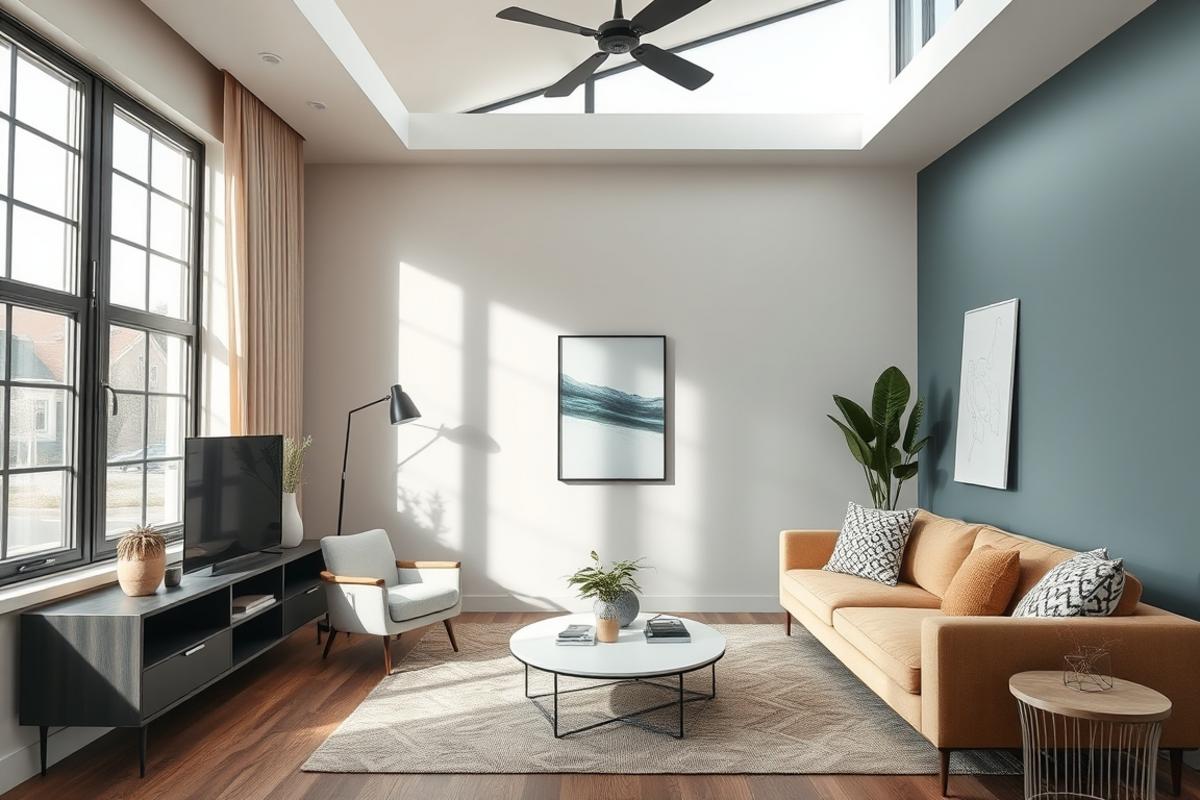
Even great accent wall paint ideas can go wrong. Here are the most common mistakes and how to avoid them.
Mistake 1: Choosing the wrong wall. Not every wall is worth highlighting. Avoid painting a wall that has too many outlets, vents, or interruptions. Pick a clean, unbroken surface for the best result.
Mistake 2: Skipping the primer. If you’re painting over a dark color or a freshly patched wall, primer is essential. Skipping it leads to uneven coverage and wasted paint. A coat of tinted primer matched to your accent color speeds up the process.
Mistake 3: Going too dark in a tiny room. A very dark accent wall in a very small room can feel overwhelming. Test your color on a large poster board first. Live with it for a few days before you paint the whole wall.
Mistake 4: Ignoring the undertones. Every paint color has undertones. A “gray” can pull purple, blue, or green depending on the light. Always check undertones by viewing the sample in your actual room, not just in the store.
Mistake 5: Overcrowding the wall with decor. An accent wall is already making a statement. You don’t need to hang ten things on it. Choose one or two meaningful pieces and let the color do the heavy lifting.
Maintenance and Long Term Style Tips
A beautiful accent wall needs a little care to keep looking its best over time.
Clean the wall gently and regularly. Use a soft, damp microfiber cloth to wipe away dust and smudges. Avoid abrasive cleaners that can dull the paint finish. For eggshell or satin finishes, a mild soap solution works well for tougher marks.
Touch up as needed. Keep a small amount of leftover paint in a labeled container. Small scuffs and chips happen, especially in busy households. A quick touch-up with the original paint keeps the wall looking fresh.
Refresh your decor seasonally. You don’t need to repaint every season. Simply swap out the art, change throw pillow covers in front of the wall, or add seasonal greenery. These small changes keep the space feeling current without major effort.
Consider repainting every four to six years. Paint can fade, especially in rooms with strong sunlight. A fresh coat of the same color renews the look entirely. Or use the moment to try a new shade and refresh the whole room’s energy.
Protect the wall during moves or rearranging. Use furniture pads when moving items near the accent wall. Scuffs and gouges near the baseboard are common and easy to prevent with a little care.
Conclusion
A single wall has the power to completely transform your space. From bold jewel tones to soft earthy shades, the right accent wall paint ideas can add depth, personality, and style to any room in your home. And when you combine a great color choice with thoughtful accent wall painting techniques, the result looks intentional, polished, and uniquely yours.
Start small if you’re nervous. Pick one room and one wall. Test your color, prep your surface, and take it one step at a time. You’ll be amazed at what a few hours and a can of paint can accomplish.
So don’t wait for a full remodel to fall in love with your home again. Explore more accent wall paint ideas and related decor inspiration right here on ItsDecor.com. Your dream room is closer than you think.
FAQs
What is the best wall to paint as an accent wall?
Choose the wall that naturally draws the eye when you enter the room. In bedrooms, this is usually the wall behind the headboard. In living rooms, it’s often the fireplace wall or the wall behind the main sofa. Avoid walls with too many windows, doors, or interruptions.
How many colors should an accent wall have?
Most accent walls look best with a single solid color. However, two-tone approaches like color blocking or a half-painted wall can work well in modern and contemporary spaces. Keep it to no more than two colors for a clean, cohesive result.
Can I use accent wall painting techniques in a rental apartment?
Yes, but check your lease first. Some landlords allow paint with the agreement to repaint before moving out. If painting isn’t allowed, consider removable wallpaper or peel-and-stick panels as alternatives. These mimic the look of a painted accent wall without permanent changes.
What paint finish works best for an accent wall?
Matte finishes are popular for their sophisticated, velvety look. Eggshell and satin finishes are more durable and easier to clean, making them great for family rooms or hallways. Avoid high-gloss finishes on accent walls unless you’re going for a bold, contemporary statement.
How do I make a small room look bigger with an accent wall?
Use a color that’s only a few shades deeper than your surrounding walls rather than a dramatically different hue. Painting the wall behind a sofa or bed draws the eye inward and makes the room feel more intentional. Keeping the other three walls light and bright balances the look and prevents the space from feeling cramped.