
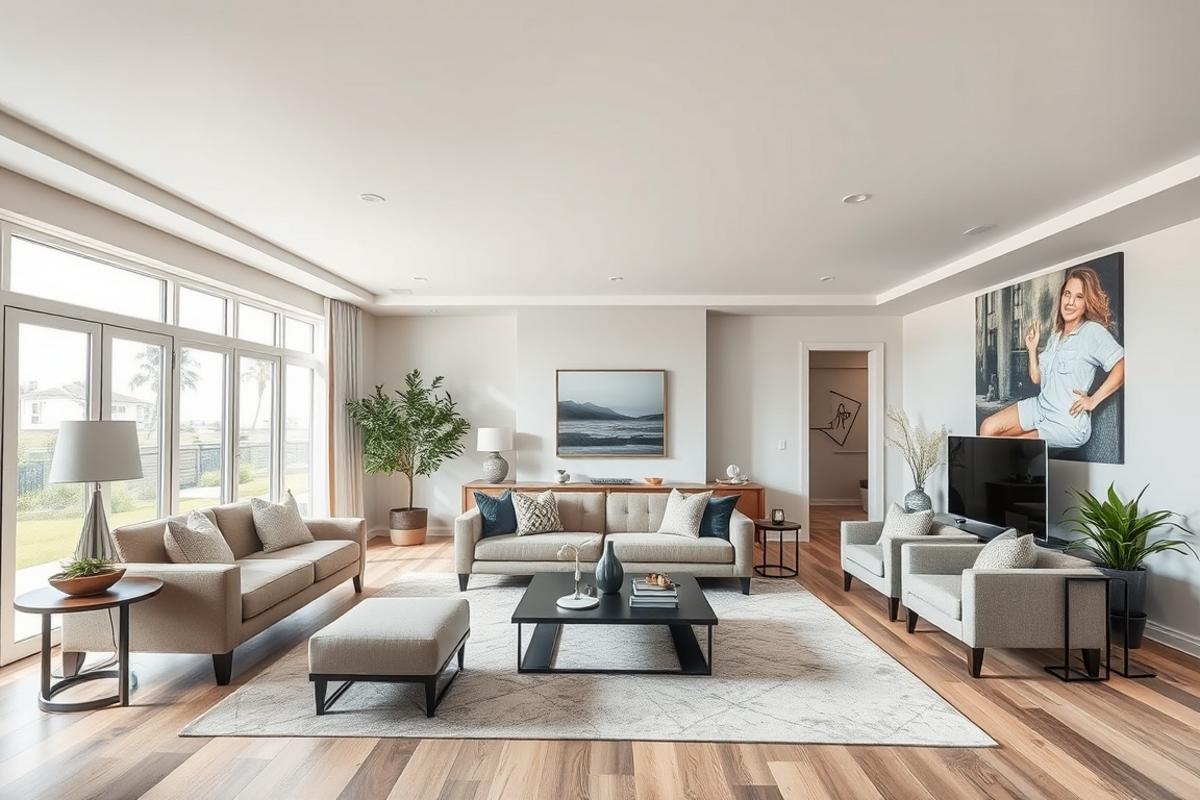
What if rearranging your furniture could completely transform how your home feels? It sounds simple, but the way you place your furniture changes everything — from how spacious a room looks to how comfortable it actually feels. Getting your living room furniture layout ideas right is one of the most powerful design moves you can make. And if you’re working with limited square footage, smart small living room furniture arrangement strategies can make even the tiniest space feel open and intentional.
Modern American homes come in all shapes and sizes. Whether you live in a sprawling suburban house or a compact city apartment, the principles of good furniture placement apply universally. It’s not just about fitting pieces into a room. It’s about creating a flow that feels natural and a space that works for real life.
In this guide, you’ll find practical advice, design inspiration, and step-by-step tips to help you create a living room that looks like it came straight from a design magazine — without hiring a professional.
Key Design Elements and Materials
A well-designed living room starts with the right building blocks. Before you move a single piece of furniture, think about the key elements that will define your space.
Anchor Piece First
Your sofa is almost always the anchor. Choose one that fits the scale of your room. A large sectional works beautifully in an open-plan space. But in smaller rooms, a mid-sized sofa with clean lines keeps things from feeling cramped.
Rugs as Zone Definers
A well-sized area rug grounds your seating arrangement. It visually connects chairs, sofas, and coffee tables into one cohesive zone. Many homeowners make the mistake of choosing rugs that are too small. Go bigger than you think you need.
Materials Matter
Mix materials thoughtfully. Wood furniture adds warmth. Metal accents bring a modern edge. Upholstered pieces in textured fabrics — linen, velvet, or boucle — create layers of visual interest. For budget-friendly options, consider accent chairs in faux velvet or coffee tables in engineered wood with real wood veneer.
Wall Treatments and Vertical Space
Don’t forget your walls. Floating shelves, gallery walls, and tall bookcases draw the eye upward. This makes ceilings feel higher and rooms feel larger. Paint finishes matter too — matte finishes absorb light and feel cozy, while satin finishes reflect it and feel more polished.
Color Palette and Lighting Strategy
Color and lighting are the invisible forces that shape how a room feels. Get them right and your furniture layout will shine. Get them wrong and even the best arrangement will fall flat.
Choosing the Right Color Palette
Neutral base colors like warm whites, soft greiges, and light taupes are endlessly versatile. They make spaces feel larger and brighter. Layer in deeper tones through pillows, throws, and accent furniture. Navy, forest green, and terracotta are popular accent choices in American homes right now.
Natural Lighting Comes First
Always start with your natural light sources. Arrange seating to take advantage of windows without placing backs to the main view. In apartments where natural light is limited, use mirrors strategically. A large mirror opposite a window can nearly double the perceived brightness of a room.
Layered Artificial Lighting
Relying on a single overhead light is one of the most common mistakes in American living rooms. Instead, layer your lighting. Use a combination of floor lamps, table lamps, and overhead fixtures. Warm-toned bulbs in the 2700K to 3000K range create a cozy, inviting atmosphere. Dimmer switches give you full control over mood.
Apartments vs. Houses
In apartments, lighter colors and reflective surfaces are your best friends. They compensate for limited windows and lower ceilings. In larger houses with generous natural light, you can afford to go bolder with darker accent walls and heavier furniture pieces.
Step by Step Interior Design Tips
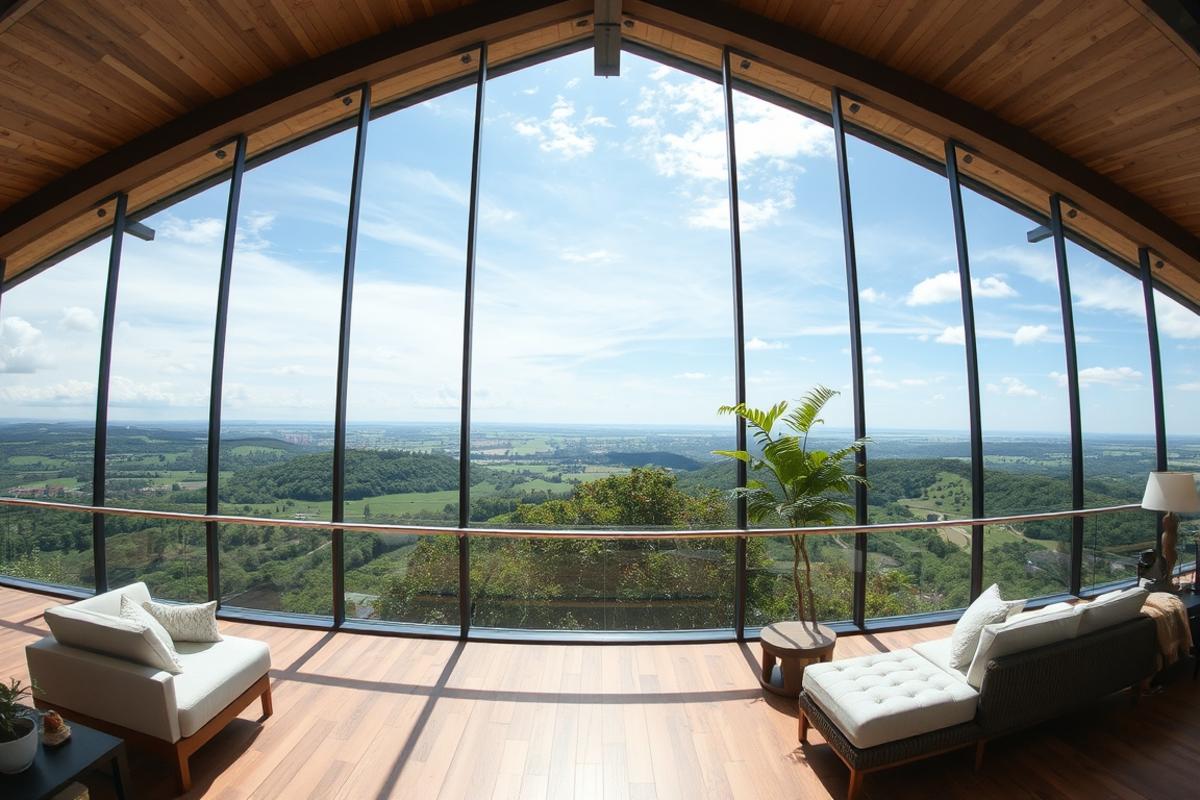
Ready to start arranging? Follow these steps for a result that feels intentional and polished. These are the same principles designers use when planning living room furniture layout ideas for real clients.
Step 1: Measure Everything
Start by measuring your room. Write down the dimensions. Note the location of windows, doors, and outlets. Then measure your existing furniture. You can sketch this out on grid paper or use a free online room planner. Never assume — always measure.
Step 2: Define Your Focal Point
Every great living room has a focal point. It might be a fireplace, a large window with a view, or a media wall. Arrange your main seating to face that focal point. This immediately gives your layout a clear sense of purpose and direction.
Step 3: Create a Conversation Zone
Pull furniture away from the walls. This is counterintuitive but hugely effective. Grouping seating closer together — within about eight feet of each other — creates an intimate conversation zone. It also makes the room feel less like a waiting room and more like a living space.
Step 4: Leave Room to Move
Allow at least 18 inches between your sofa and coffee table. Keep main walkways at least 30 to 36 inches wide. Good traffic flow is essential for a room that feels comfortable and functional every day.
Step 5: Apply Small Space Strategies
If you’re working on a small living room furniture arrangement, use multi-functional pieces. Ottomans with storage, nesting tables, and slim-profile sofas all help you maximize every square inch without sacrificing style.
Style Variations and Decor Ideas
One of the best things about furniture layout is that it adapts to any design style. The bones of a good layout stay the same — the personality changes with your decor choices.
Modern and Minimalist
Keep furniture low-profile and leave plenty of negative space. Choose pieces with clean lines and simple silhouettes. Limit your color palette to two or three tones. Less truly is more in a minimalist living room layout.
Cozy and Traditional
Layer textures generously. Add a plush rug, linen throw pillows, and warm wood accents. Arrange seating in a U-shape or L-shape to encourage gathering. This style works especially well in family homes with open-plan layouts.
Scandinavian Style
Scandinavian design blends minimalism with warmth. Think light wood furniture, neutral upholstery, and simple geometric accessories. Natural materials like wool, cotton, and leather feature prominently. It’s a beautiful approach for apartments and smaller homes.
Luxury and Glam
Go for statement furniture with rich upholstery. Velvet sofas in jewel tones, marble-topped coffee tables, and brass accent pieces define this look. Symmetrical furniture arrangements feel especially elegant in larger luxury living rooms.
Common Decorating Mistakes to Avoid
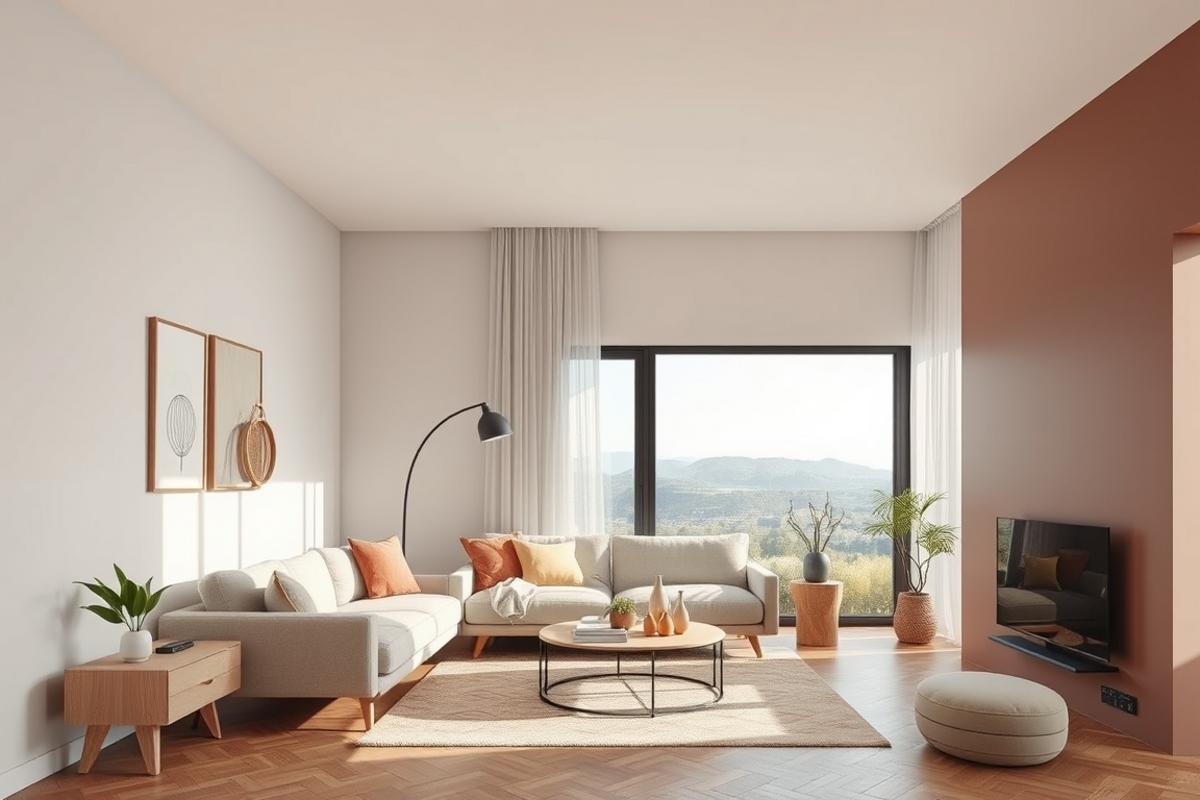
Even experienced decorators make layout mistakes. Knowing what to avoid will save you time, money, and frustration.
Pushing Everything Against the Walls
This is the number one furniture arrangement mistake. It creates a disconnected, awkward feel. Pull your furniture in and create a defined seating zone instead. Your room will instantly feel more designed and intentional.
Choosing Furniture That’s the Wrong Scale
Oversized furniture in a small room feels suffocating. Tiny furniture in a large room looks lost. Always consider scale. When shopping, bring your room measurements with you — or save them in your phone for reference.
Ignoring Traffic Flow
Blocking doorways or creating narrow pathways frustrates everyone who uses the room. Map out your walkways before finalizing your layout. It’s a step many people skip — and they always regret it.
Neglecting Lighting Layers
As mentioned earlier, a single overhead light is rarely enough. Without layered lighting, even a beautifully arranged room can feel flat and uninviting at night.
Forgetting Functional Surfaces
Every seat needs a nearby surface for a drink, a book, or a remote. If your layout leaves people without a surface nearby, it doesn’t matter how pretty it looks. Function must come first.
Maintenance and Long Term Style Tips
A gorgeous living room doesn’t stay that way on its own. But with a few simple habits, you can keep yours looking fresh and polished all year long.
Rotate and Refresh Seasonally
Swap out throw pillows and blankets with the seasons. Lighter fabrics and cooler tones for spring and summer. Richer textures and warmer colors for fall and winter. It’s a low-cost way to keep your space feeling current.
Clean Upholstery Regularly
Vacuum upholstered furniture weekly to prevent dust buildup. Spot clean spills immediately. For deeper cleans, check manufacturer guidelines. Slipcovers are a practical option for households with kids or pets.
Edit and Declutter Often
Clutter is the enemy of good design. Every few months, walk through your living room with fresh eyes. Remove anything that doesn’t serve a purpose or bring you joy. Open surfaces and intentional decor always look more polished than crowded shelves.
Budget-Friendly Updates
You don’t need to redecorate entirely to refresh your space. New throw pillows, a different rug, or even rearranging your existing furniture can dramatically change the feel of a room. Sometimes the best living room furniture layout ideas cost nothing at all — just a little creativity and effort.
Conclusion
A thoughtfully arranged living room is one of the most impactful upgrades you can make to your home. It doesn’t require a huge budget or a complete renovation. It requires intention, a few smart strategies, and the willingness to experiment.
Whether you’re starting fresh or simply refreshing what you have, the right living room furniture layout ideas can completely transform how your space looks and feels. And if square footage is tight, a clever small living room furniture arrangement can make your room feel surprisingly generous and welcoming.
Start with one tip from this guide. Move your sofa away from the wall, add a lamp, or try a new rug size. Small changes lead to big results. Explore more decor inspiration and room styling ideas right here on ItsDecor.com — there’s always something fresh to discover.
FAQs
What is the best furniture layout for a small living room?
The best approach is to define a clear focal point and arrange seating around it. Use multi-functional furniture like storage ottomans and nesting tables. Pull furniture slightly away from the walls to create a cozy, intentional zone. Keeping the floor as clear as possible also makes the room feel larger.
How far should a sofa be from the TV?
A general guideline is to sit between 1.5 and 2.5 times the diagonal size of your TV screen away from it. For a 55-inch TV, that means roughly 7 to 11 feet. Comfort and eye level matter more than rigid rules, so adjust based on how it feels in your specific room.
Should furniture touch the walls in a living room?
Not necessarily. While it’s tempting to push everything against the walls — especially in smaller rooms — floating furniture inward tends to create a more cohesive and inviting arrangement. Leaving even a few inches between the back of a sofa and the wall can make a noticeable visual difference.
How do I arrange living room furniture in an open-plan space?
Use rugs to define separate zones within the open floor plan. A rug under your seating group visually separates the living area from the dining area. Keep a consistent color palette throughout to maintain cohesion while still creating distinct functional spaces.
What are the most common mistakes in living room furniture placement?
The most common mistakes include pushing all furniture against the walls, choosing pieces that are the wrong scale for the room, blocking natural traffic flow, using a rug that is too small, and relying on a single overhead light source. Addressing even one of these issues can dramatically improve how a room feels and functions.