
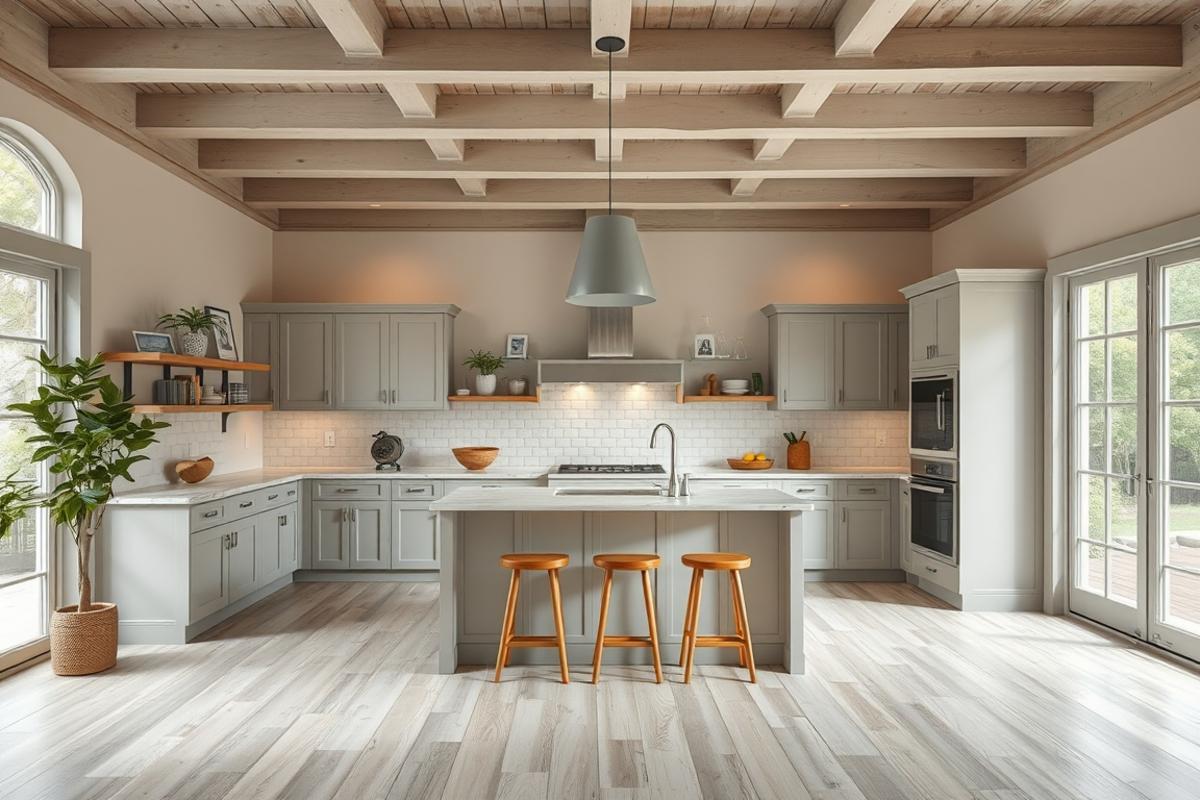
The Best Kitchen Paint Color Combinations to Transform Your Space
Your kitchen deserves more than builder-grade beige. The right colors can completely change how your kitchen feels every single morning. Choosing the best kitchen paint color combinations is one of the smartest investments you can make in your home. And pairing that with the right kitchen paint color schemes means your space can feel pulled together, stylish, and uniquely yours.
Modern American kitchens are doing double duty. They’re cooking spaces, gathering spots, and sometimes home office overflow zones. Color plays a huge role in making that work. Whether you have a small apartment galley kitchen or a sprawling open-concept layout, the right palette sets the whole tone.
Key Design Elements and Materials
Color does not work alone. It interacts with everything around it, including your cabinets, countertops, backsplash, and flooring. Understanding each element helps you make smarter choices.
Cabinet Finish
Painted wood cabinets are the most flexible option. Shaker-style doors in white, navy, or sage green pair beautifully with almost any wall color. If your budget is tight, consider painting your existing cabinets instead of replacing them.
Countertop Materials
Quartz and butcher block are two of the most popular choices right now. Light quartz counters work well with darker wall colors. Warm butcher block pairs naturally with earthy tones like terracotta, warm cream, or olive green.
Backsplash Textures
Subway tile, zellige tile, and matte ceramic all reflect light differently. A glossy white tile can brighten a small kitchen dramatically. A handmade zellige tile in a neutral tone adds texture and depth without overpowering the color palette.
Hardware and Fixtures
Brushed brass, matte black, and brushed nickel are all strong choices right now. These finishes connect your kitchen paint color combinations to your cabinetry and fixtures. Choose one and stay consistent throughout the space.
Color Palette and Lighting Strategy
Color and light are inseparable in kitchen design. What looks perfect on a paint chip can look completely different under your actual kitchen lighting. Always test before you commit.
Natural Light First
North-facing kitchens tend to feel cooler and darker. Warm tones like butter yellow, peach, or warm white help counteract that. South-facing kitchens get plenty of warm sunlight, so they can handle cooler tones like blue-gray or soft sage without feeling cold.
Artificial Lighting Matters Too
Most American kitchens rely on a mix of overhead lighting and under-cabinet lighting. Warm LED bulbs (around 2700K to 3000K) make warm wall colors pop beautifully. Cool-toned LEDs work better with crisp whites, slate blues, and greens.
Small Kitchens Versus Large Kitchens
In a small apartment kitchen, lighter kitchen paint color schemes create the illusion of more space. Soft white, pale gray, and light sage are all excellent choices. In a larger kitchen, you have the freedom to go bolder. Deep navy, forest green, or even a rich terracotta can feel grounding and luxurious.
Open-Concept Considerations
If your kitchen is open to the living room, your color palette needs to flow. Use a consistent undertone across both spaces. You don’t have to match colors exactly, but they should feel harmonious side by side.
Step by Step Interior Design Tips

Ready to make a change? Follow these steps to get it right the first time.
Step 1: Start With What You Already Have
Look at your existing cabinets, countertops, and flooring. These are your anchor pieces. Your wall color needs to complement them, not fight them.
Step 2: Choose a Dominant Color
Pick your main wall color first. This is the color that will appear most in the room. Popular kitchen paint color combinations right now include white walls with navy lower cabinets, warm greige walls with natural wood uppers, and sage green walls with off-white cabinetry.
Step 3: Add an Accent Color
An accent color keeps things interesting. It might show up on a kitchen island, a single accent wall, or your window trim. Keep the accent to about 10 to 20 percent of the total color in the room.
Step 4: Test Paint Samples on the Wall
Never skip this step. Paint at least three sample swatches on different walls. Observe them at different times of day. Morning light, afternoon light, and evening artificial light all change how colors read.
Step 5: Choose the Right Finish
Eggshell and satin finishes are ideal for kitchen walls. They’re easy to wipe clean and hold up to moisture and steam. Flat paint looks beautiful but is harder to keep clean in a kitchen environment.
Step 6: Tie the Room Together
Once your walls are painted, assess your kitchen paint color schemes against your textiles, hardware, and accessories. Add a coordinating dish towel, some open shelving with warm-toned ceramics, or a woven rug to complete the look.
Style Variations and Decor Ideas
One concept, many styles. Here’s how to adapt kitchen color palettes to suit your personal taste.
Modern and Minimalist
Go with a crisp white or light gray wall color. Keep cabinetry flat-front and handle-free. Use a single bold accent like a matte black faucet or a dark island. Less is more in this style.
Warm and Cozy Farmhouse
Think creamy white walls with shiplap details. Add open wood shelving and vintage-style hardware. Warm terracotta or sage green accents feel authentic and inviting in this style.
Scandinavian-Inspired
Pale blue-gray, soft white, and warm wood tones define this look. Keep accessories minimal. A few ceramic pieces and a simple pendant light complete the aesthetic.
Luxury and Moody
Deep forest green, charcoal, or navy blue walls create a dramatic, high-end feel. Pair these with brass fixtures and marble or quartz countertops. This style works especially well in larger kitchens with good lighting.
Eclectic and Colorful
Don’t be afraid to mix. A terracotta wall paired with sage green lower cabinets and a bold patterned tile backsplash can feel cohesive when you use a consistent undertone throughout.
Common Decorating Mistakes to Avoid
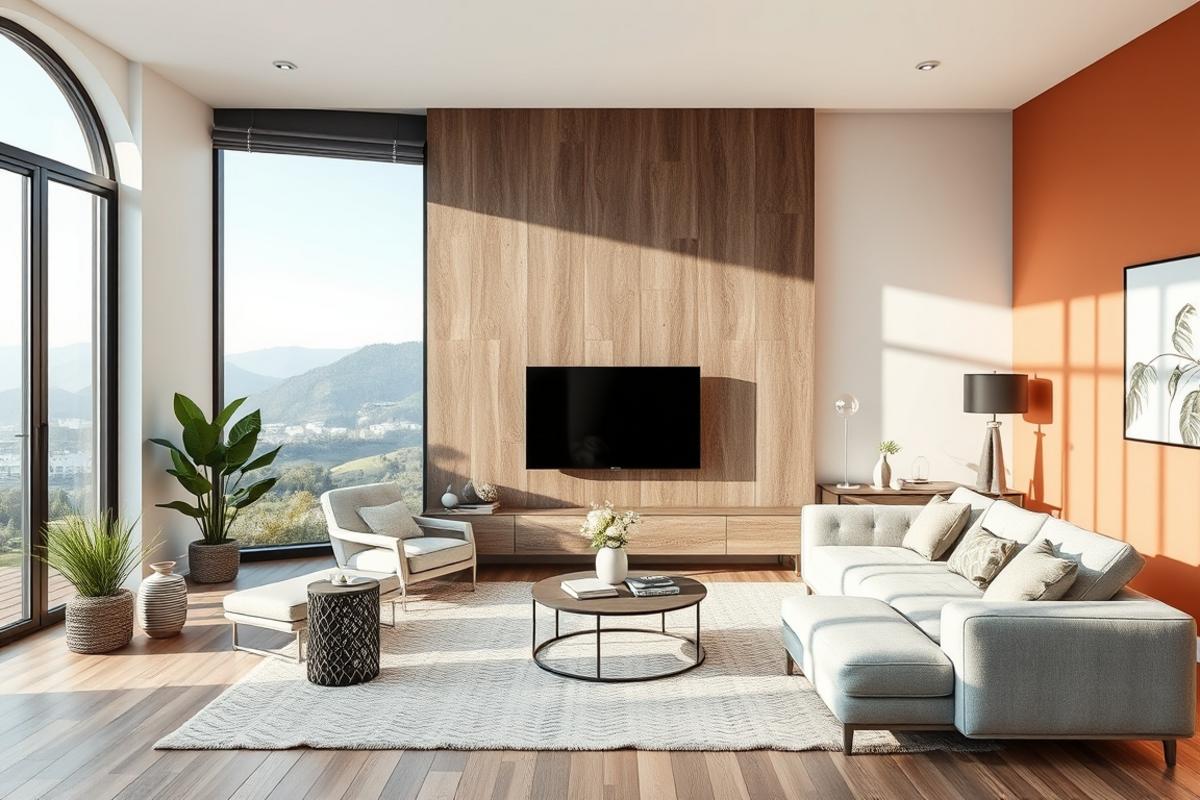
Even experienced decorators make these common missteps. Here’s how to avoid them.
Choosing Colors Without Testing Them First
Paint chips look very different on a wall versus in the store. Always buy a sample and paint a large swatch before committing. This one step saves a lot of regret.
Ignoring Undertones
A “white” paint can lean pink, yellow, or blue depending on its undertone. If your counters have cool gray veining, a warm white wall can clash noticeably. Match your undertones for a cohesive result.
Forgetting the Ceiling
The ceiling is the fifth wall. A bright white ceiling lifts the room. A ceiling painted in a lighter shade of your wall color can feel surprisingly sophisticated and cozy at the same time.
Using Too Many Colors
More than three colors in a kitchen can feel chaotic. Stick to a dominant color, a secondary color, and one accent. This simple rule keeps the space feeling intentional.
Matching Instead of Coordinating
Matchy-matchy looks dated. Instead, coordinate. Your kitchen paint color schemes should feel harmonious, not identical. Mix tones, textures, and finishes for a layered, lived-in look.
Maintenance and Long Term Style Tips
A beautiful kitchen stays beautiful with the right care routine. Here’s how to protect your investment over time.
Clean Walls Regularly
Kitchen walls accumulate grease and steam. A damp microfiber cloth with mild dish soap handles most spots easily. Satin and eggshell finishes hold up to gentle scrubbing without losing their sheen.
Touch Up Paint Annually
Keep a small amount of leftover paint for touch-ups. Kitchens take a beating. A quick annual touch-up keeps walls looking fresh without a full repaint.
Seasonal Refresh With Accessories
Swap out small accessories seasonally. Change your dish towels, a countertop bowl, or a window valance. These small updates feel like a mini-refresh without repainting.
Reassess Every Three to Five Years
Design trends shift. What felt current five years ago may feel dated now. Every few years, reassess your palette. Sometimes a simple change to the cabinet hardware or a backsplash update is all you need.
Budget-Friendly Updates
You don’t need to repaint to refresh. New open shelving, updated lighting fixtures, or a fresh set of bar stools can completely change the energy of a kitchen. Focus on high-impact, low-cost changes first.
Conclusion
Your kitchen has real potential, and color is the most affordable way to unlock it. Thoughtful kitchen paint color combinations can make your space feel larger, warmer, more modern, or more inviting depending on what you choose. And a well-planned set of kitchen paint color schemes ties your whole kitchen together in a way that feels intentional and personal.
Start small if you’re nervous. Test samples, trust the process, and remember that paint is one of the easiest things to change if you don’t love the result. Explore more room-by-room decor inspiration right here on ItsDecor.com and find the ideas that make your home truly yours.
FAQs
What are the most popular kitchen paint colors in American homes right now?
Warm whites, soft sage green, creamy off-white, and navy blue are all trending strongly. These tones work across a range of cabinet styles and countertop materials. They also photograph beautifully for Pinterest and social sharing.
How do I choose between warm and cool paint tones for my kitchen?
Start by looking at your fixed elements like your countertops and flooring. If they have warm undertones, go with warm paint colors. If they lean cool or gray, cooler tones will feel more cohesive. When in doubt, a true neutral like greige bridges both worlds nicely.
Can I use dark colors in a small kitchen?
Yes, but use them strategically. A dark lower cabinet paired with lighter walls can add depth without closing the space in. Avoid painting all four walls in a very dark shade if your kitchen lacks natural light.
How many colors should I use in my kitchen?
A general rule is three. Choose one dominant wall color, one secondary color for cabinets or an island, and one accent for hardware or small accessories. This approach keeps the design feeling balanced and purposeful.
How often should I repaint my kitchen?
Most kitchens benefit from a fresh coat every five to seven years. High-traffic areas near the stove and sink may need more frequent touch-ups. Using a quality satin or eggshell paint extends the life of your finish significantly.