
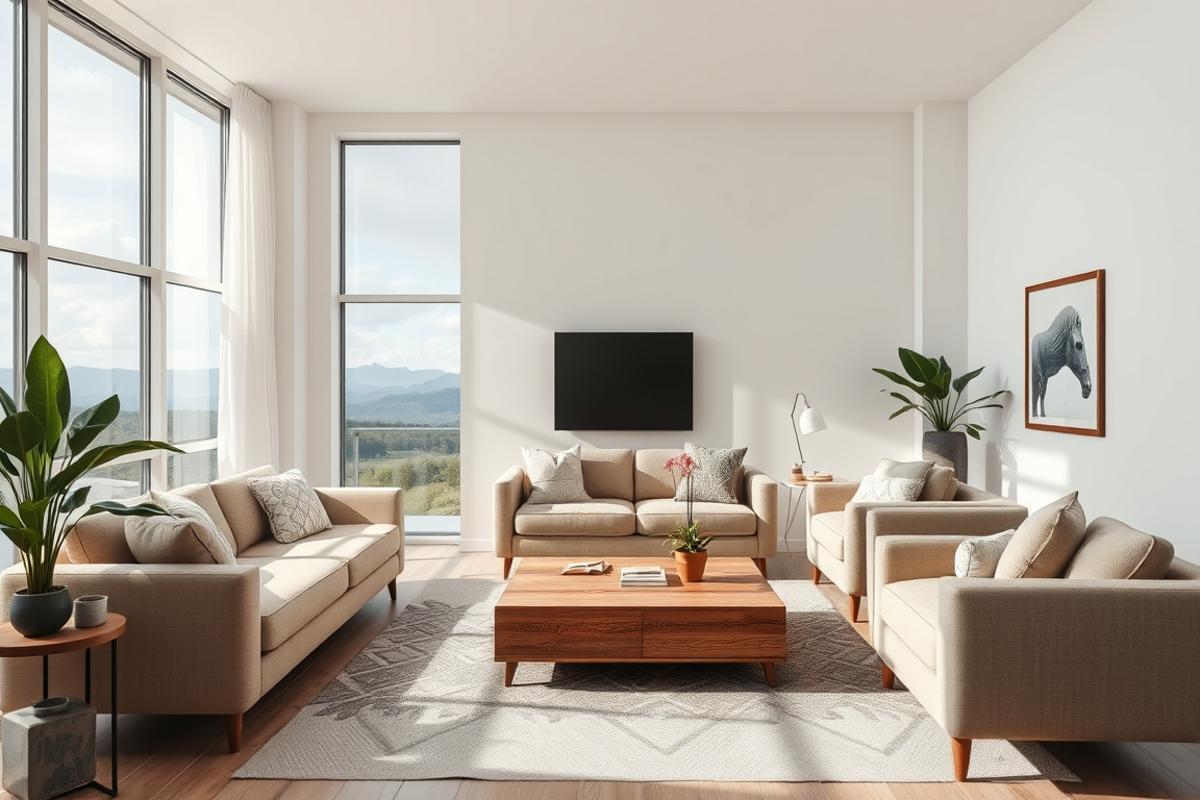
Your sofa is the soul of your living room. It sets the tone for everything around it. So what happens when that centerpiece is also kind to the planet?
More American homeowners are choosing natural vegan sofas as a stylish, ethical alternative to traditional upholstery. And the results are stunning. These pieces combine clean design with sustainable materials that feel just as luxurious as anything leather can offer. If you’re also curious about eco-friendly plant-based couches, you’re in the right place. This guide covers everything you need to know, from colors and lighting to layout tips and long-term care.
Key Design Elements and Materials
The foundation of any great room starts with materials. Natural vegan sofas are typically crafted from plant-based alternatives like cactus leather, pineapple fiber, mushroom leather, or recycled cotton blends. Each material has its own texture and character.
Cactus leather has a slightly matte, smooth finish. It works beautifully in modern and minimalist spaces. Pineapple fiber, often called Pinatex, has a subtle grain that adds warmth to a room. Mushroom-based materials feel almost suede-like and drape softly in sectional styles.
For budget-conscious shoppers, linen and organic cotton blends are excellent starting points. They’re breathable, durable, and come in a wide range of neutral tones. They also layer beautifully with throw pillows and blankets.
Texture is just as important as material choice. Pair a smooth vegan sofa with a chunky knit throw or a woven jute rug. That contrast creates visual interest without overwhelming the space. And don’t overlook leg material. Solid wood legs ground the piece and add a natural, organic feel to the room.
Wall finishes also matter here. Matte plaster walls, shiplap in soft white, or limewash paint complement the natural character of eco-friendly upholstery beautifully. Avoid high-gloss surfaces in these spaces. They tend to clash with organic textures.
Color Palette and Lighting Strategy
Color is where your room’s personality truly comes alive. Natural vegan sofas look stunning in earthy tones like warm taupe, sage green, terracotta, oat, or dusty rose. These shades connect the piece to nature and create a grounding, calm atmosphere.
If you prefer something more dramatic, deep forest green or charcoal gray makes a bold statement. These darker shades still feel organic and intentional. Pair them with lighter walls to keep the space from feeling heavy.
Lighting plays a major role in how your sofa and colors are perceived. In apartments with limited natural light, warm-toned bulbs in the 2700K to 3000K range create a cozy, golden glow. That warmth makes earthy upholstery look even richer.
In houses with larger windows, maximize daylight with sheer linen curtains. Natural light enhances the texture and subtle color variations in plant-based upholstery materials. It makes eco-friendly plant-based couches look more luxurious without spending a dime extra.
Layered lighting is always the smarter choice. Use a combination of floor lamps, table lamps, and overhead fixtures. That layering creates depth, sets the mood, and lets you adjust the atmosphere for different times of day.
Step by Step Interior Design Tips

Ready to style your space? Start with placement. Position your sofa as the anchor of the room, ideally facing a focal point like a fireplace, large window, or media console. Leave at least 18 inches of walking space around the piece.
Next, choose your rug size carefully. A rug that’s too small makes the room feel disconnected. The front legs of your sofa should always sit on the rug. For most living rooms, a 8×10 or 9×12 area rug works well under a standard three-seat sofa.
Once your sofa is placed, build outward. Add a coffee table at a comfortable 14 to 18 inch height. Choose materials that echo the sofa’s natural aesthetic, such as a reclaimed wood slab or a stone-topped design.
Accessorize with intention. Natural vegan sofas pair beautifully with organic cotton throw pillows, dried botanicals in ceramic vases, and linen blankets folded over one armrest. Keep your color palette consistent. Use two to three accent colors drawn from the sofa’s base tone.
Eco-friendly plant-based couches also benefit from thoughtful wall art placement. Hang one or two large framed prints or a gallery wall above the sofa. Keep the bottom of the frames about 6 to 8 inches above the sofa back. That creates a visually connected vignette.
Finally, add a plant or two nearby. Trailing pothos on a side table or a tall fiddle-leaf fig in the corner reinforces the organic, nature-forward vibe of the space.
Style Variations and Decor Ideas
One of the best things about natural vegan sofas is how versatile they are. They don’t belong to just one style. They adapt beautifully across many design aesthetics.
In a modern minimalist space, choose a low-profile sofa in oat or ivory with clean lines and slim legs. Keep accessories to a minimum. Let the material do the talking.
For a Scandinavian-inspired room, pair a taupe or light gray sofa with warm wood accents, sheepskin-style vegan throws, and simple pendant lighting. The result is calm, intentional, and deeply livable.
If you love a boho-chic look, layer richly textured cushions in terracotta, rust, and mustard over a forest green sofa. Add a macrame wall hanging and a vintage-style kilim rug. It feels collected and personal.
Luxury seekers can elevate eco-friendly upholstery with gold-toned metal accents, velvet accent chairs, and sculptural table lamps. Plant-based materials can absolutely feel high-end when styled with intention and care.
For small apartments, a two-seat loveseat version in a light neutral tone keeps the room feeling open. Choose a sofa with storage under the cushions if possible. That multifunctionality is a game-changer in compact spaces.
Common Decorating Mistakes to Avoid
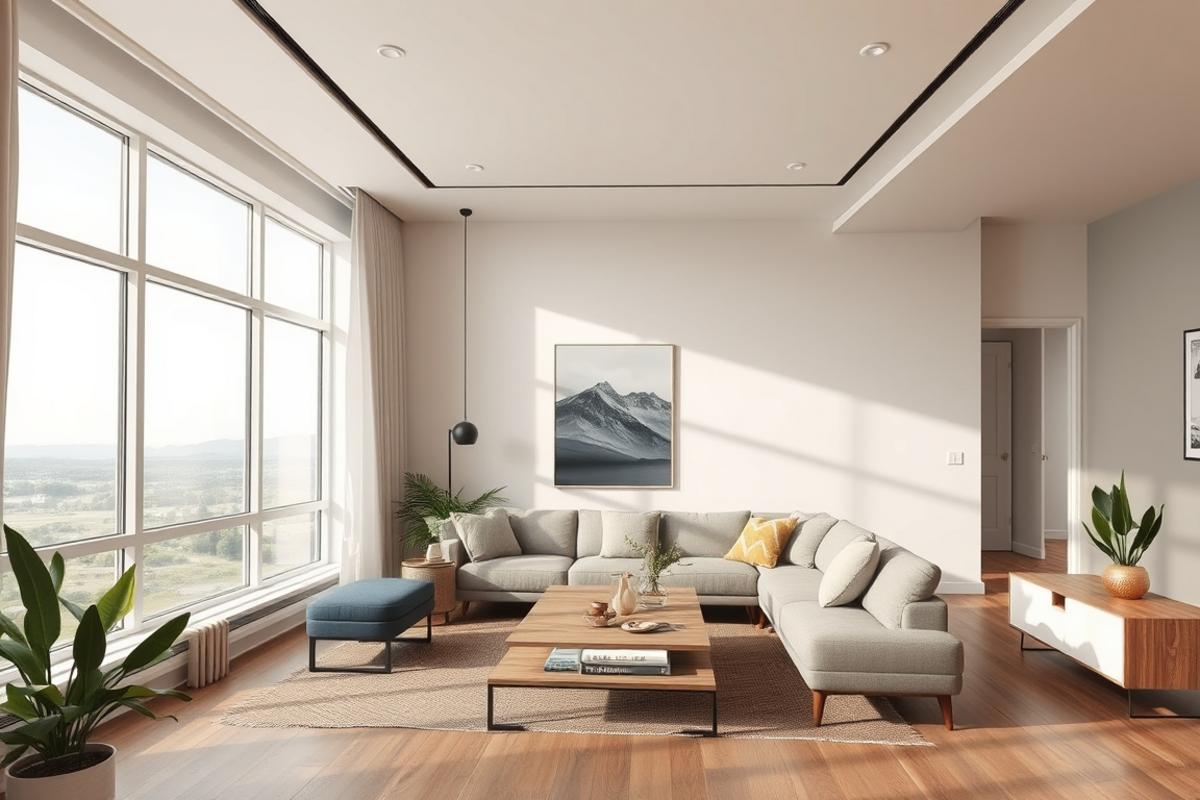
Even great sofas can get lost in a poorly styled room. One of the most common mistakes is choosing the wrong scale. A massive sofa in a small room overwhelms the space. Always measure your room before purchasing.
Another frequent error is ignoring negative space. Not every corner needs something in it. Leaving some breathing room around the sofa actually makes it feel more intentional and elevated.
Many people also choose throw pillows that fight the sofa rather than complement it. If your sofa is textured, keep pillows relatively smooth. If your sofa is a solid color, use pillows to introduce subtle pattern or tonal variation.
Don’t forget about the wall behind the sofa. A bare wall can make even the most beautiful sofa look unfinished. A piece of art, a floating shelf, or a gallery arrangement transforms that wall into a design asset.
Finally, avoid placing your sofa directly against the wall. Pulling it even 4 to 6 inches forward creates a sense of depth and makes the seating arrangement feel more intentional and inviting.
Maintenance and Long Term Style Tips
Plant-based upholstery materials are surprisingly easy to care for. Most cactus leather and pineapple fiber surfaces can be wiped down with a damp cloth. Avoid harsh chemical cleaners. They can break down the natural fibers over time.
For organic cotton or linen blends, regular vacuuming with an upholstery attachment keeps dust and debris from embedding in the weave. Spot-clean spills immediately with cold water and a gentle, plant-based cleaner.
Rotate your cushions regularly. This distributes wear evenly and helps the sofa maintain its shape. Flipping removable cushions every few weeks extends the life of the piece significantly.
Seasonally refreshing your decor keeps the room feeling current without major investment. Swap throw pillow covers in spring and fall. Change your rug to something lighter in summer or heavier in winter. These small shifts keep your space feeling alive and intentional.
Budget-friendly updates are easier than you think. Replacing a coffee table, adding a new plant, or simply rearranging your existing accessories can make the whole room feel new. You don’t need to replace your sofa to refresh your space.
Shop the Look: Our Top Picks
As an Amazon Associate, ItsDecor earns from qualifying purchases.
Conclusion
Choosing natural vegan sofas is one of the most impactful decisions you can make for both your home and the planet. These pieces bring beauty, conscience, and durability together in one stunning package. And as we’ve seen throughout this guide, they work across virtually every design style and budget.
From earthy color palettes to layered lighting strategies and thoughtful layout tips, styling around eco-friendly plant-based couches is genuinely exciting. There are so many ways to make these pieces your own. The key is intention. Choose materials mindfully, layer thoughtfully, and let the natural character of the upholstery shine.
Ready to take the next step? Explore more home decor inspiration and sustainable styling guides right here on ItsDecor.com. Your most beautiful and conscious home is just a few design decisions away.
FAQs
What materials are used in natural vegan sofas?
Plant-based upholstery options include cactus leather, Pinatex made from pineapple fibers, mushroom-based leather, organic cotton, and recycled linen blends. Each offers a different texture and level of durability depending on your lifestyle needs.
Are eco-friendly plant-based couches durable enough for everyday use?
Yes, absolutely. Many plant-based upholstery materials are engineered to be highly durable. Cactus leather, for example, is water-resistant and scratch-resistant. With proper care, these sofas can last just as long as traditional upholstered furniture.
How do I clean a sofa made from plant-based materials?
For most surfaces, a damp cloth and a gentle, plant-based cleaner are all you need. Avoid bleach or solvent-based products. For fabric blends like linen or cotton, vacuum regularly and spot-clean spills immediately with cold water.
Can plant-based upholstery sofas work in small apartments?
Definitely. A loveseat or compact two-seater in a light neutral tone keeps a small room feeling open and airy. Look for models with built-in storage or convertible features to maximize functionality in tighter spaces.
What color works best for a vegan sofa in a neutral living room?
Warm neutrals like oat, taupe, and warm ivory are the most versatile choices. They complement almost any wall color and accessory palette. If you want more personality, sage green and dusty terracotta are both beautiful options that feel fresh and grounded at the same time.