
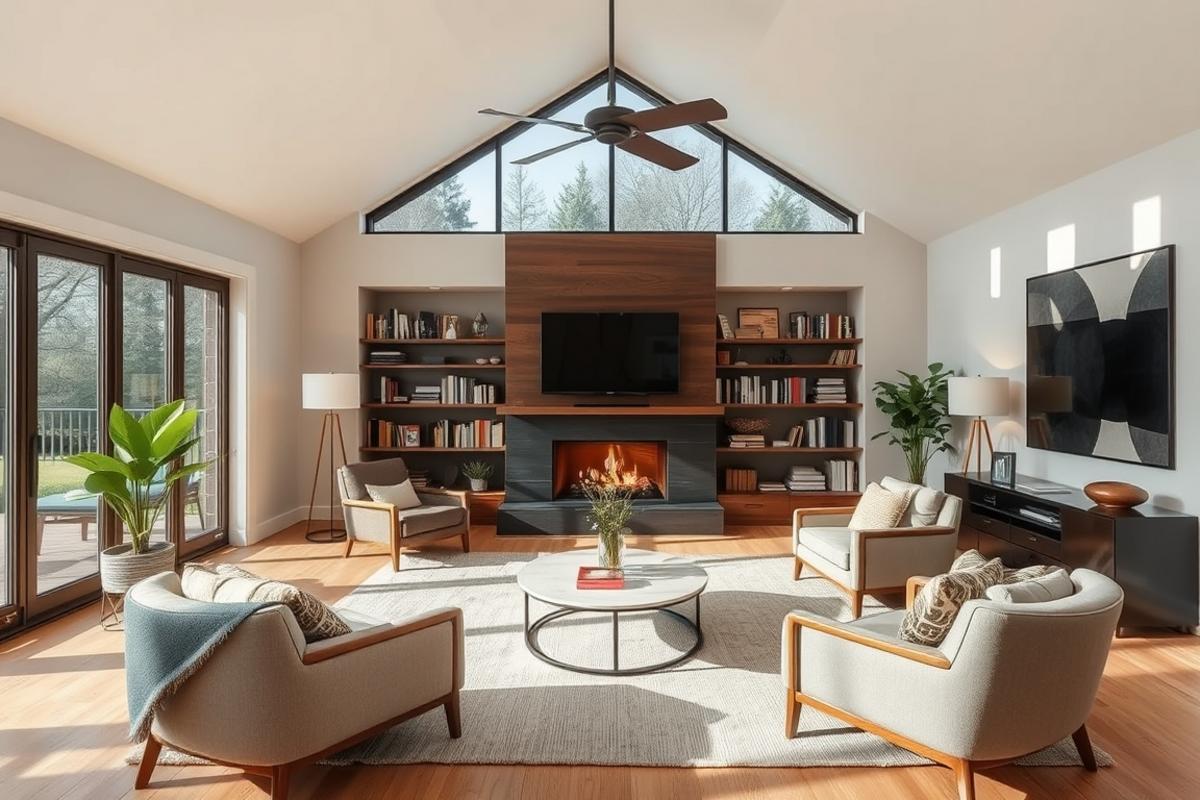
Every home deserves a quiet escape. A dedicated spot to curl up with a good book can completely transform how you feel in your own space. Whether you have a full spare room or just a forgotten corner, the right reading nook ideas home can turn any unused area into your favorite retreat. And if you’re dreaming of a truly inviting space, a well-planned cozy reading corner design is easier to achieve than you might think. These spaces are not just beautiful. They’re deeply functional and deeply personal.
More Americans are spending time at home than ever before. Creating a dedicated reading space supports mental wellness, creativity, and daily routines. It also adds real design value to any room. Whether you live in a downtown condo or a suburban house, a thoughtful reading nook ideas home approach can make even the smallest corner feel intentional and luxurious.
Key Design Elements and Materials
The foundation of any great reading nook is the seating. You want something that supports your back and invites you to stay awhile. A deep armchair, a window seat with a cushion, or even a built-in bench with storage all work beautifully. Choose comfort first. Style will follow.
Soft textiles are equally important. Layer in throw pillows, a chunky knit blanket, and a plush area rug. These textures create warmth and make the space feel cocoon-like. Natural materials like linen, cotton, and wool tend to age gracefully and feel inviting through every season.
Shelving is both functional and decorative. Floating shelves above the seating keep books within reach without eating up floor space. Built-in bookcases on either side of a chair create a classic, library-style look. If budget is tight, simple bracket shelves from any home improvement store work just as well.
Don’t overlook the walls. Painted shiplap, a bold accent color, or even peel-and-stick wallpaper can visually define your reading nook and set it apart from the rest of the room. That sense of enclosure makes the space feel purposeful and private.
Color Palette and Lighting Strategy
Color plays a powerful role in how relaxing a space feels. For reading nooks, soft and muted tones tend to work best. Warm whites, sage greens, dusty blues, and warm taupes all create a calm, focused atmosphere. These colors are gentle on the eyes and easy to live with over time.
If you want something bolder, consider a deep forest green or a rich terracotta on just the accent wall behind your seating. These saturated tones feel sophisticated and cozy at the same time. They also make lighter furnishings pop beautifully against them.
Lighting is arguably the most important element of a cozy reading corner design. Natural light is ideal. Position your nook near a window whenever possible. Morning light from an east-facing window is soft and energizing. Afternoon light from the west can be warm but sometimes harsh, so use a light-filtering curtain.
For evenings, you need layered artificial lighting. A floor lamp positioned over your shoulder gives even, direct light for reading. A small table lamp or wall sconce adds ambient warmth to the space. Avoid relying solely on overhead lighting. It tends to feel flat and creates eye strain during extended reading sessions.
In apartments without good natural light, use warm-toned bulbs in the 2700K to 3000K range. They mimic the softness of natural light and make even a windowless corner feel welcoming.
Step by Step Interior Design Tips

Start by choosing your location. Look for underused corners, awkward alcoves, spaces under staircases, or a bay window. These areas are naturally defined by architecture. That built-in structure gives your nook an instant sense of intention.
Next, measure your space carefully. You need at least 30 to 36 inches of width for comfortable seating. Allow enough depth for your chosen chair or bench. Sketch a quick floor plan before purchasing anything. This step saves a lot of frustration and expensive returns.
Then select your main seating piece. This is your anchor. Everything else should complement it. If you’re going for a relaxed, layered look, an oversized armchair with a matching ottoman works perfectly. For a sleeker approach, a built-in window seat with hidden storage underneath is both practical and polished.
Once your seating is in place, build out your storage and surfaces. Add a small side table or a wall-mounted ledge for your coffee cup, phone, and current read. Layer in your shelving above or beside the seat. Keep the layout symmetrical if possible. It creates a calming, balanced visual rhythm.
Now add your soft layers. A patterned throw pillow, a neutral knit blanket, and a softly textured rug tie the space together. These layers are what transform a simple chair in a corner into genuine reading nook ideas home magic. And when you combine thoughtful layering with smart lighting, you’ll have a truly irresistible cozy reading corner design that you’ll use every single day.
Style Variations and Decor Ideas
There’s no single correct way to design a reading nook. The style you choose should reflect your personality and fit your existing decor. Here are some popular directions to consider.
A Scandinavian-inspired nook leans into simplicity. Think clean lines, light wood tones, white walls, and minimal accessories. A single armchair, a thin floor lamp, and a small stack of books is truly all you need. Less is genuinely more in this style.
A bohemian reading corner feels rich and layered. Layer mismatched throw pillows, hang a macrame wall piece, and add a rattan side table. Plants work beautifully in boho spaces. They add life and organic texture without much effort.
For a modern or minimalist approach, choose furniture with straight, clean profiles. Stick to a two-tone color palette. Keep accessories to a minimum. A single sculptural lamp and one well-chosen piece of art are enough to make the space feel curated and intentional.
A cozy, cottage-style nook leans into pattern and softness. Floral prints, soft plaids, and gentle pastels all feel at home here. A cushioned window seat with a gathered skirt and framed botanical prints on the wall creates a charming, timeless feel.
Common Decorating Mistakes to Avoid
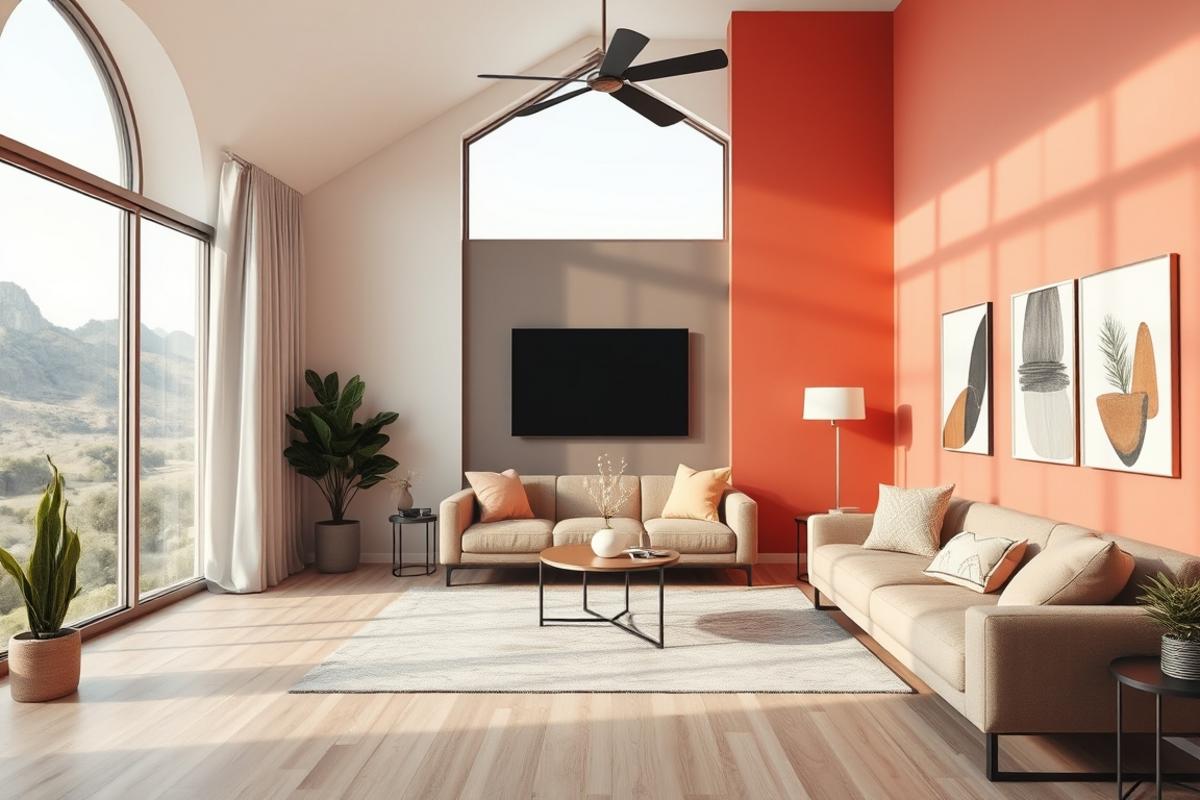
One of the most common mistakes is choosing furniture that’s too large for the space. A massive sectional sofa does not belong in a reading nook. Scale everything down intentionally. A smaller chair in a smaller space feels purposeful. An oversized piece just feels crammed.
Another mistake is neglecting the lighting entirely. Many people assume a nearby lamp will be enough. But if it’s not positioned correctly or bright enough, you’ll end up straining your eyes. Always test your lighting setup before finalizing the design.
Skipping the rug is a surprisingly common oversight. Without a rug, a reading nook can feel disconnected from the rest of the room or simply cold and unfinished. Even a small 3×5 rug placed under and in front of your seating grounds the space immediately.
Over-accessorizing is another trap. It’s tempting to add every beautiful thing you own. But clutter creates visual noise. Keep accessories meaningful and purposeful. A few well-chosen items always outperform a crowded collection.
Finally, don’t ignore acoustics. Hard surfaces echo. If your reading nook is in a loud or open area of your home, add soft elements to absorb sound. Curtains, rugs, and upholstered furniture all help reduce ambient noise and make the space feel more peaceful.
Maintenance and Long Term Style Tips
A beautiful reading nook only stays beautiful with a little regular attention. Fortunately, maintenance is simple. Vacuum upholstered seating weekly to remove dust and pet hair. Spot-clean fabric cushions with a mild upholstery cleaner as needed.
Wash throw blankets and pillow covers monthly. This keeps them fresh and extends their life considerably. Store extras in a nearby basket or bench with built-in storage so they’re always within easy reach.
Update your space seasonally without spending much. Swap out throw pillow covers in warmer tones for fall and winter. Switch to lighter linens and brighter accents in spring and summer. These small swaps refresh the entire look for very little money.
Rotate the books on your shelves regularly. This not only keeps the visual display interesting but also encourages you to actually read what you own. Swap in a few new titles and store the rest. A tightly edited shelf always looks more intentional than an overflowing one.
Every year or two, consider one slightly bigger update. A new accent color on the wall, a different area rug, or a new side table can completely reinvigorate the space without a full redesign. Staying intentional about slow, thoughtful updates is the key to a reading nook that always feels current and personal.
Shop the Look: Our Top Picks
As an Amazon Associate, ItsDecor earns from qualifying purchases.
Conclusion
Creating a personal reading retreat does not require a large budget or a large room. All it takes is intention, creativity, and a willingness to invest in your own comfort and joy. The best reading nook ideas home projects start with one simple question: where do I already love to sit? Build from there.
Whether you choose a Scandinavian window seat or a richly layered bohemian corner, the principles remain the same. Good seating, thoughtful lighting, soft textures, and a clear sense of scale will always deliver a successful result. A well-designed cozy reading corner design is not a luxury. It’s a gift you give yourself every single day.
So take these ideas and make them your own. Explore the tips in this guide, then browse related articles here on ItsDecor.com for even more inspiration. Your perfect reading nook ideas home is closer than you think.
FAQs
What is the best location for a reading nook in a small home?
Look for underused corners, bay windows, closet conversions, or the space under a staircase. These naturally enclosed areas work beautifully. Even a small 4×4 foot corner can become a genuinely cozy reading space with the right chair, lighting, and a few soft layers.
How much does it cost to create a reading nook?
A basic setup can cost as little as $150 to $300 if you use an existing chair and add a lamp, a rug, and a few accessories. A more polished nook with built-in shelving and new seating typically runs between $600 and $2,000 depending on materials and labor.
What type of lighting is best for reading?
A dedicated reading lamp positioned over your shoulder is the gold standard. Look for a floor lamp or wall-mounted swing-arm sconce that directs light exactly where you need it. Use warm-toned bulbs in the 2700K to 3000K range for comfortable, eye-friendly light during evening reading.
Can I create a reading nook in a rental apartment?
Absolutely. Use freestanding furniture, removable wallpaper, peel-and-stick shelving, and floor lamps. None of these require permanent installation. You can build a completely beautiful and functional cozy reading corner design without making a single hole in the wall.
What are the best colors for a relaxing reading nook?
Soft neutrals like warm white, greige, and light taupe are universally calming. Nature-inspired tones like sage green, dusty blue, and soft terracotta also work beautifully. Avoid very bright or highly saturated colors for the main walls, as they can feel energizing rather than restful during quiet reading time.